Kvazar 杂志
Research, observations and editorial stories about Uzbekistan, linked to the English articles that exist.
 Feature
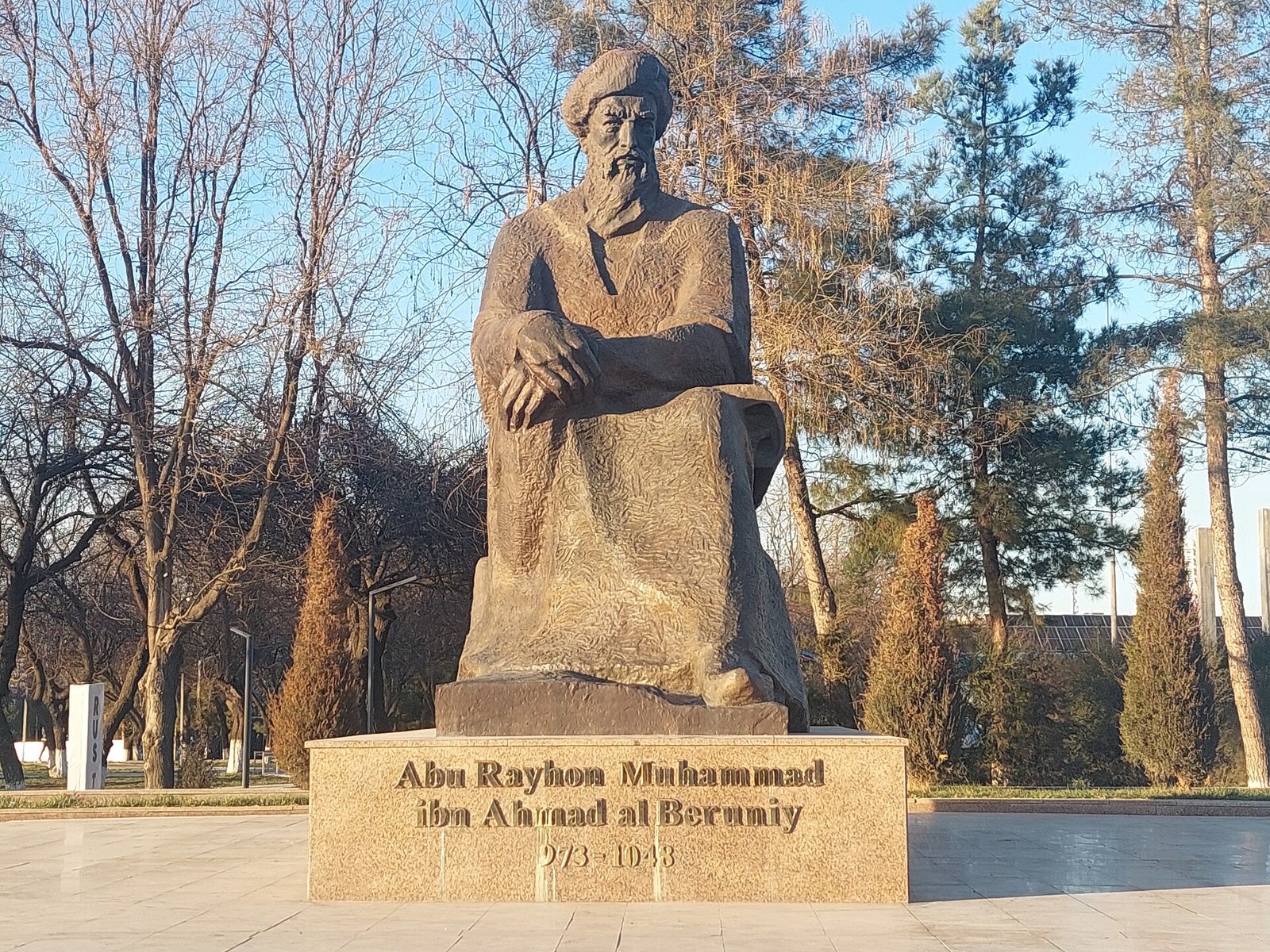
Al-Biruni: The Scholar from Khwarazm Who Measured the Earth
He knew nine languages, worked across dozens of sciences, and calculated the size of the Earth using a single mountain and trigonometry five hundred years before Magellan. Al-Biruni studied everything — from minerals to Indian philosophy — and left behind...
 Feature
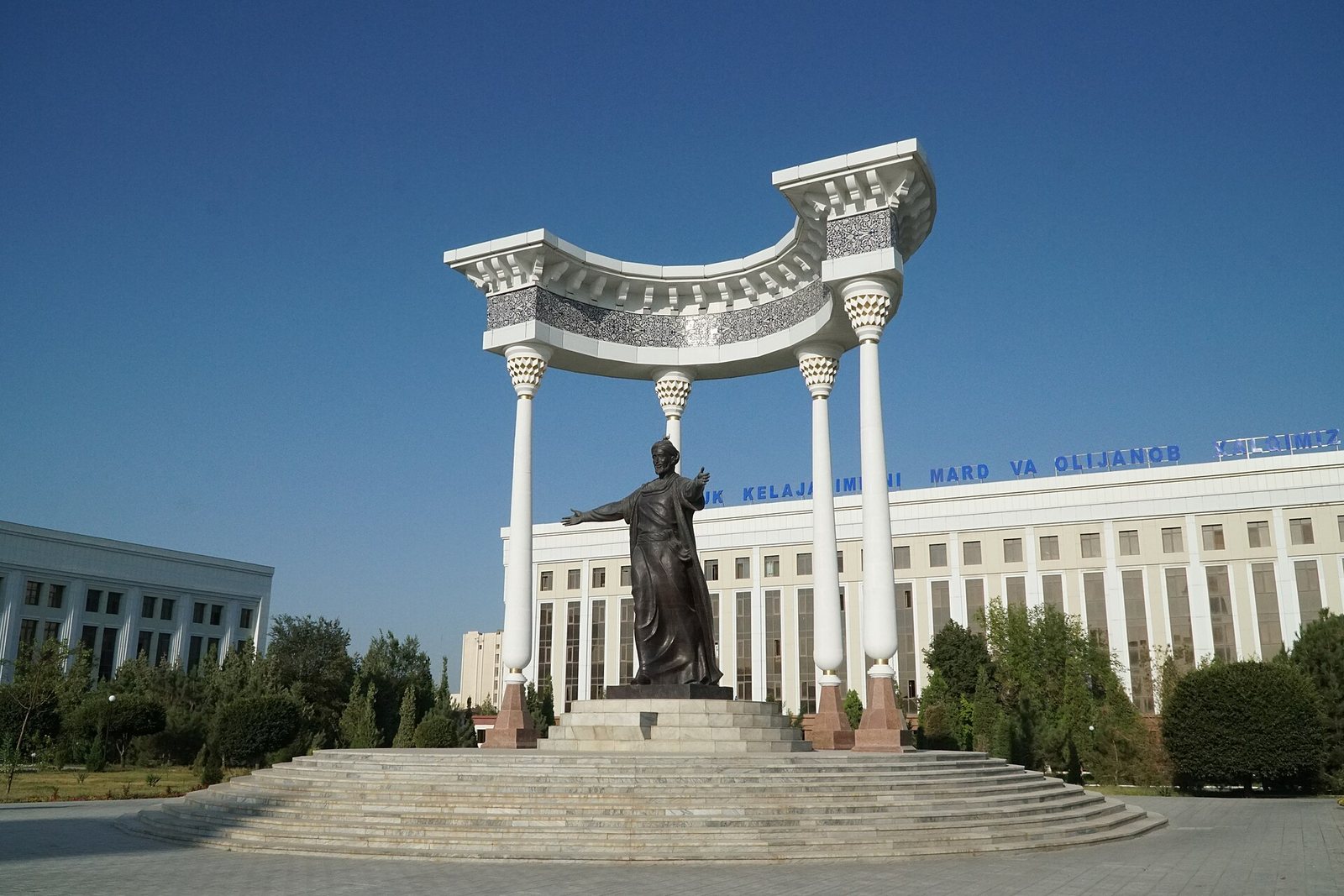
Al-Khwarizmi: The Man Whose Name Became the Word "Algorithm"
Every time the world says "algebra" and "algorithm," it remembers a scholar from Khwarazm — though almost no one suspects it. One word was born from the title of his book, the other from the Latin form of his name. Al-Khwarizmi didn't merely solve equations...
 Feature
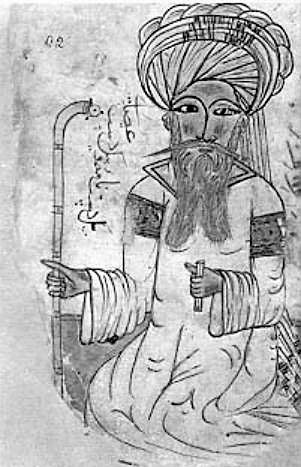
Avicenna: The Doctor from Near Bukhara Who Taught Europe Medicine
By the age of fourteen he had read every medical book to be found in Bukhara and begun treating the most difficult patients. His main work remained a textbook for the doctors of Europe for five centuries. Ibn Sina — a man born in a Samanid village near...
 Feature
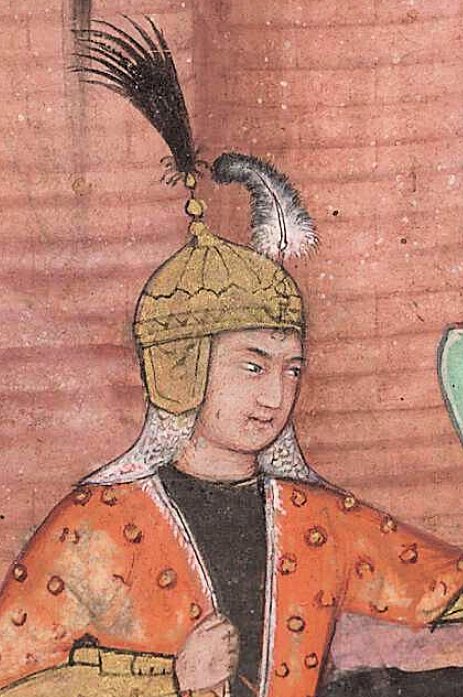
Babur: The Exile from Ferghana Who Founded an Empire
At twelve he received the throne of a small Ferghana principality — and at once began to lose it. Three times he took Samarkand and three times gave it up. Driven from his homeland, he crossed the mountains and founded in India an empire that lasted three...
 Feature
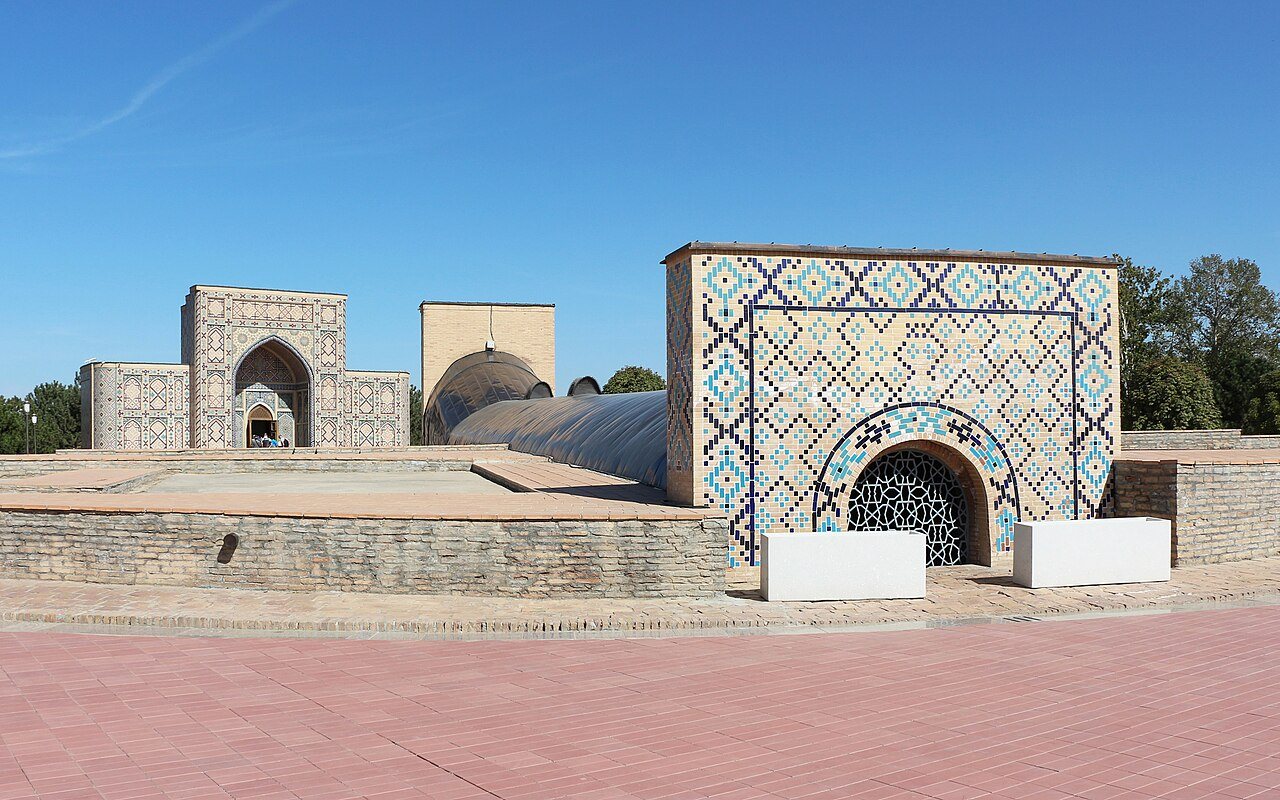
Ulugh Beg: The Ruler of Samarkand Who Looked to the Stars
The grandson of the greatest conqueror of his time could have gone on expanding the empire by the sword. Instead he built an observatory and measured the sky more precisely than anyone in the medieval world. Ulugh Beg was an astronomer on the throne — and...
 Feature
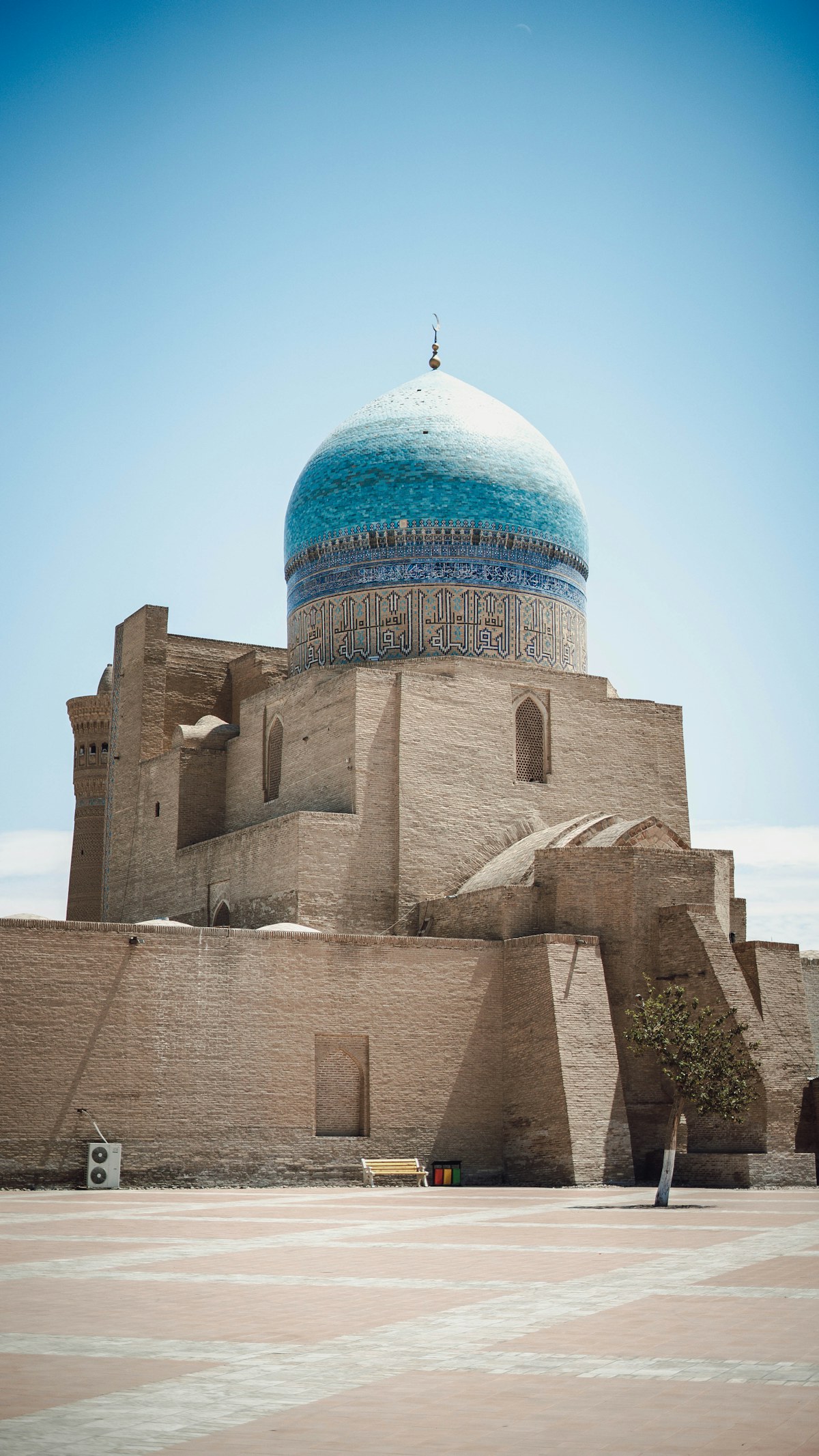
The Great Silk Road: The Road That Created Uzbekistan
It wasn't one road — and silk was only the most famous of its goods. For a millennium and a half the Great Silk Road linked China with Europe, and the Uzbek cities were not stops along it but its hubs and engines. To understand Samarkand, Bukhara and Khiva...
 Feature
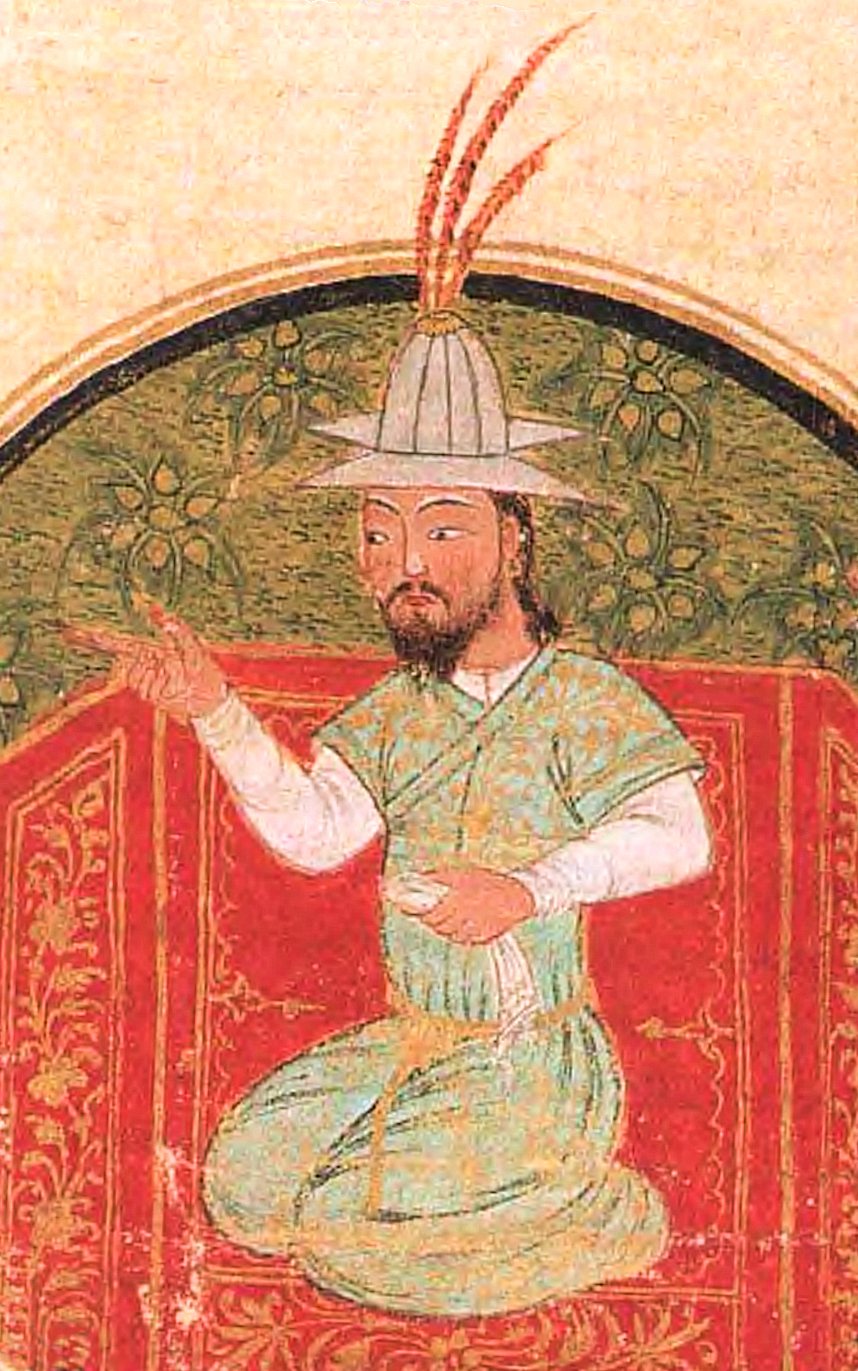
Amir Timur: The Man Who Conquered Half the World — and Built Samarkand
A limping shepherd who became an undefeated commander. Squares bear his name; his legacy includes the Taj Mahal. But was he a builder of civilization or its destroyer? The honest answer: both.
 Feature
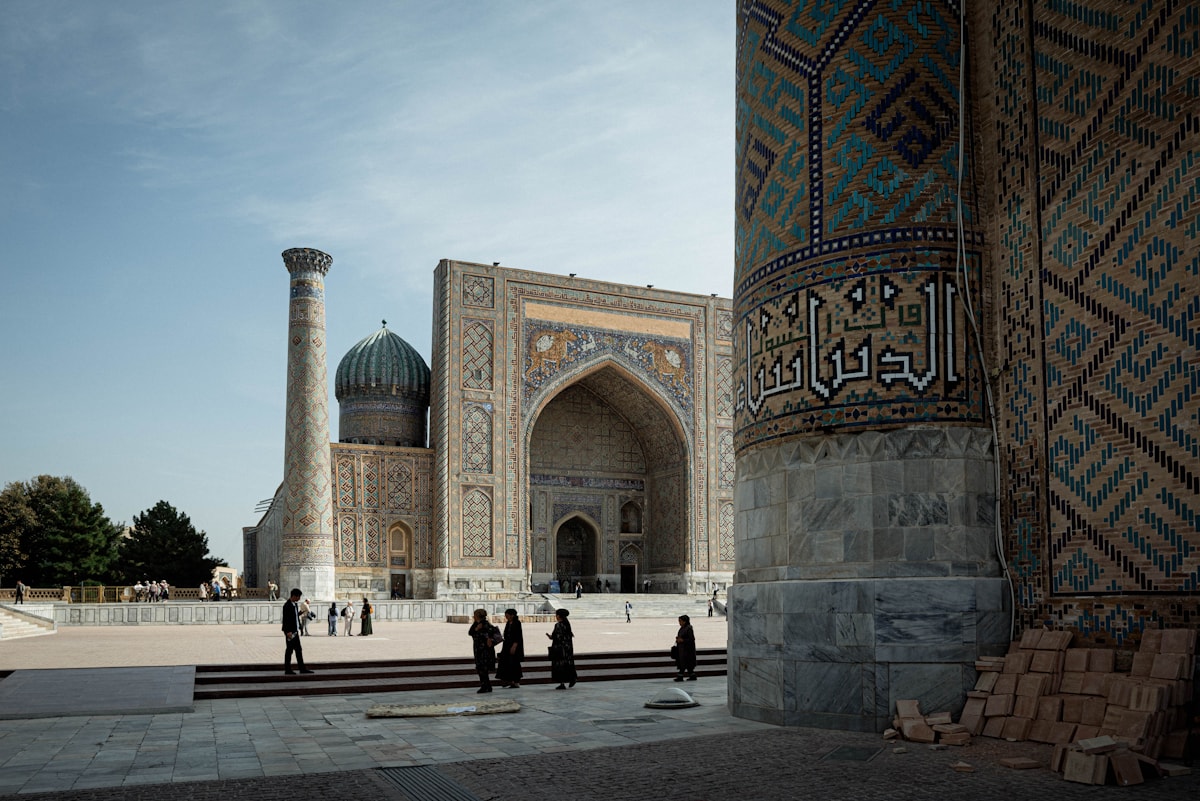
Why Are the Domes of Samarkand Blue?
The color is unmistakable: deep turquoise against a bleached sky. But it isn't just beauty — behind it lie the chemistry of distant mines, the symbolism of water in a desert, and the imperial taste of an entire era.
 Feature
Girih: The Geometry in Which the Middle Ages Outran Mathematics
What looks like merely a beautiful pattern on the walls of Samarkand and Bukhara is actually a system. The stars, polygons and interlaced lines are built by exact rules — and behind them stands the idea of infinity.