乌兹别克斯坦文化
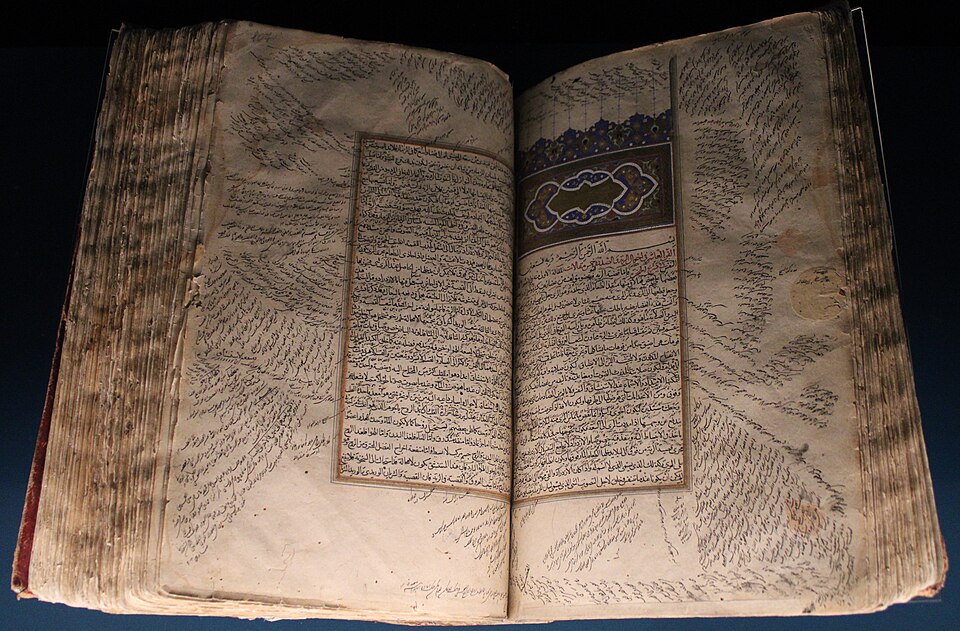
Architecture, ornament and visual language in translated Kvazar stories.
 文化
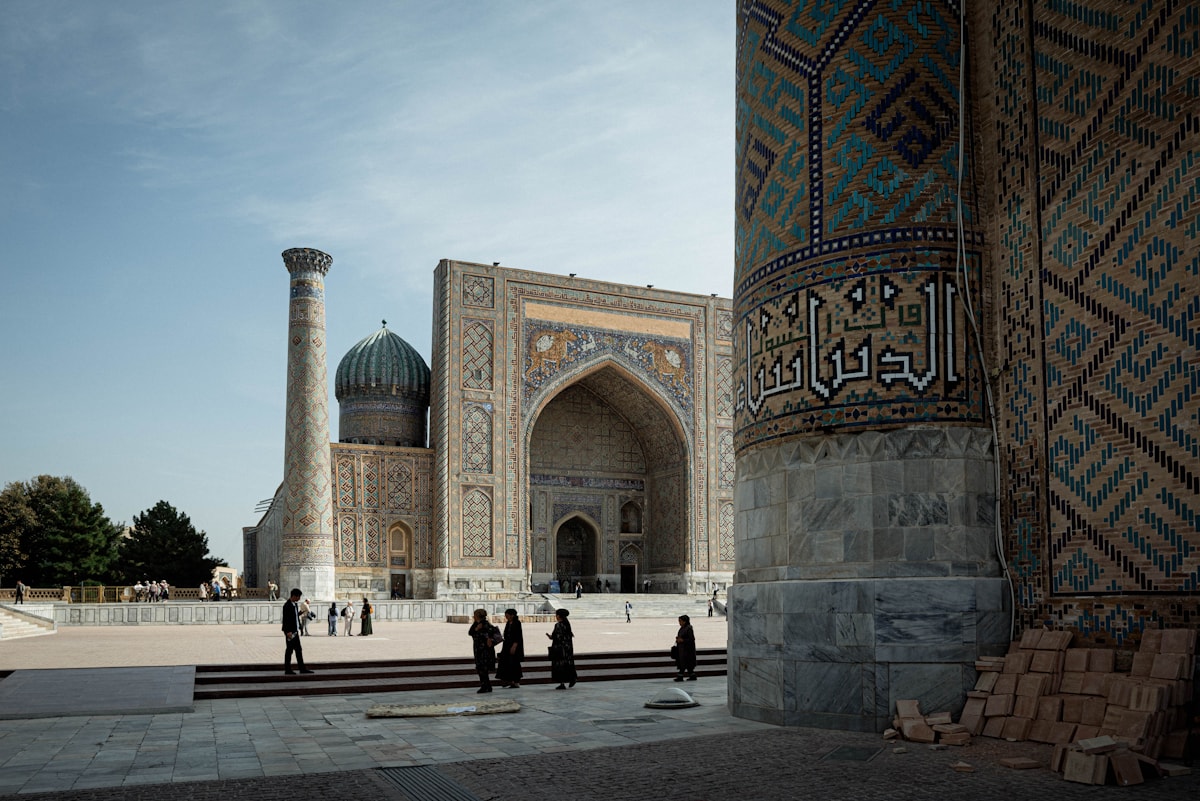
文化Why Are the Domes of Samarkand Blue?
The color is unmistakable: deep turquoise against a bleached sky. But it isn't just beauty — behind it lie the chemistry of distant mines, the symbolism of water in a desert, and the imperial taste of an entire era.
 文化
文化Girih: The Geometry in Which the Middle Ages Outran Mathematics
What looks like merely a beautiful pattern on the walls of Samarkand and Bukhara is actually a system. The stars, polygons and interlaced lines are built by exact rules — and behind them stands the idea of infinity.
 Traditions
Tea Etiquette: Three Pourings and the Bowl of Respect
Before pouring a guest tea, the host pours it three times from the bowl back into the pot. And the most honored guest is given the least of all. Behind these gestures lies a whole philosophy:
 Traditions
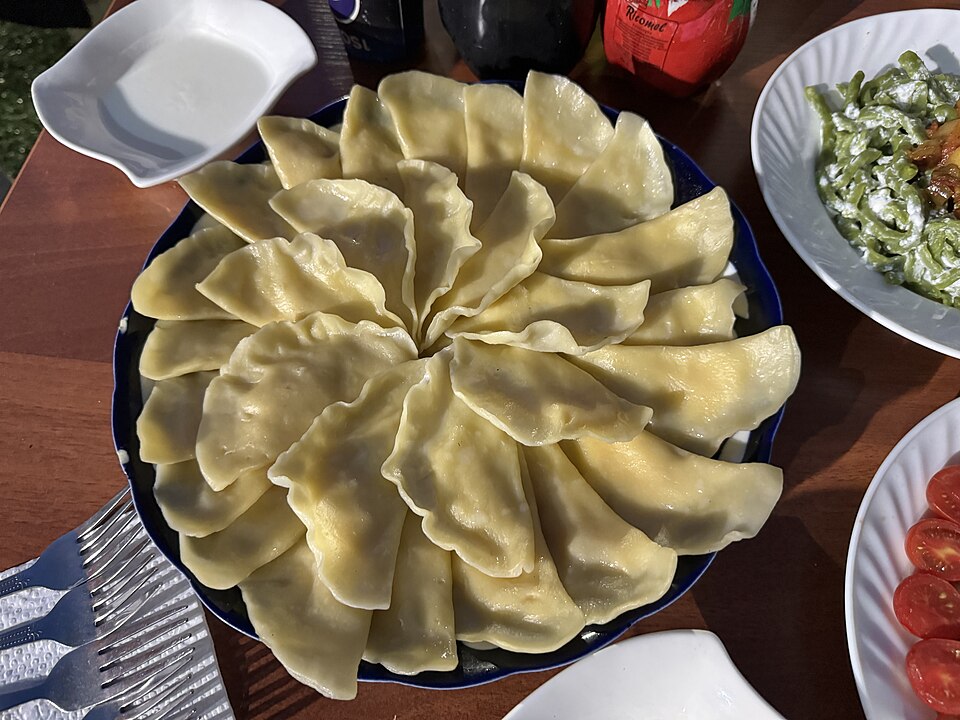
Ramadan and Iftar: A Month of Fasting and Shared Tables
A whole month, from dawn to sunset — no food, no water. And at sundown comes iftar: the breaking of the fast, begun with a date and a sip of water, and shared tables laid for the whole mahalla. Ramadan in Uzbekistan is not only fasting but a time of special generosity and unity.
 文化
文化Uzbek Carpets: Julkhirs, Gilam and a Lost Secret
The Spanish king's ambassador at the court of Tamerlane admired the bright red carpets of the Samarkand palaces. Centuries later the technology of the precious silk carpets was lost — but the art of carpet weaving survived. Today Uzbekistan weaves long-pile julkhirs and red-brown Bukhara gilam.
 Traditions
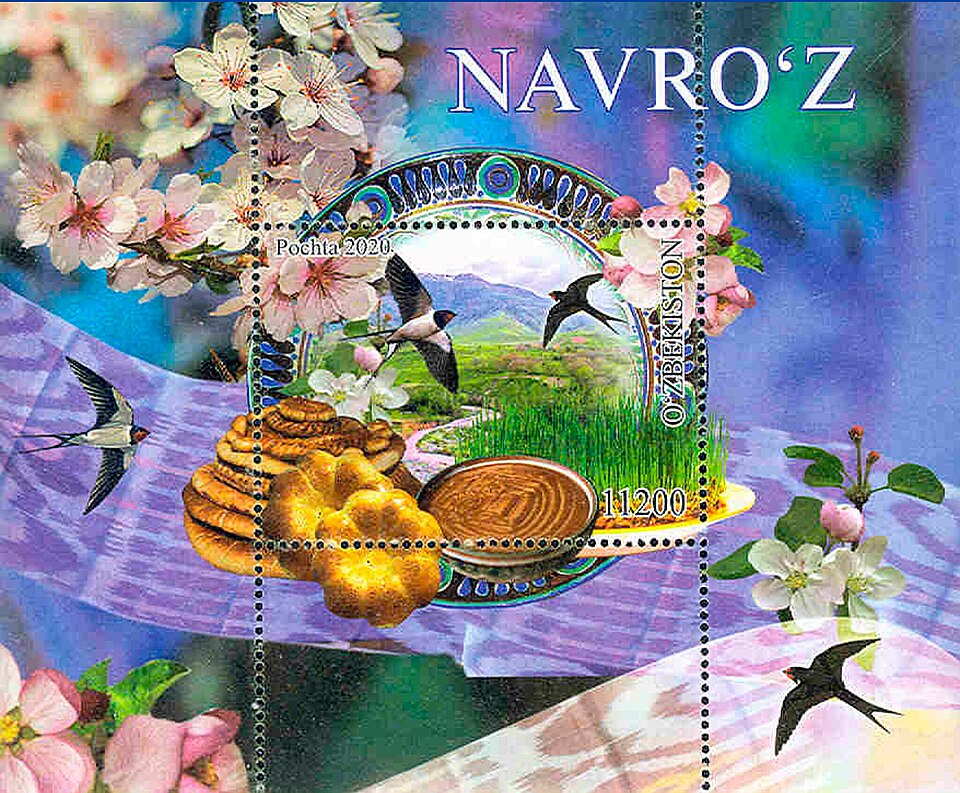
Navruz: The New Year Greeted in Spring
While half the world counts the new year from a winter midnight, here it's greeted on the day when day equals night and the earth wakes. At Navruz, women take turns all night stirring sumalak in a huge cauldron, forgive grievances and lay the table as generously as they can — so that the year, too, will be just as generous.
 Traditions
The Mahalla: The Neighborhood Community as a Way of Life
In an Uzbek neighborhood a neighbor is not just the person behind the wall. Together they hold weddings and see one another off on the final journey, build a house as a whole community and help anyone who's in trouble. This is the mahalla — an ancient institution of the neighborhood community that has survived every era and is today written into the country's Constitution.
 Traditions
The Toy: An Uzbek Wedding for Hundreds of Guests
An Uzbek wedding isn't a party for fifty people but an event for hundreds, even a thousand guests, prepared for by the whole family and the whole mahalla. It has its own stages, its own rites and its own white runway, down which the bride first enters her new home under a rain of sweets and coins.
 Traditions
Hashar: When the Whole Quarter Works as One
A house needs building, a street needs tidying, the mahalla needs readying for a holiday — and by morning the neighbors come out all together, for no pay at all. In a single day a friendly crowd does what would take a single family months. This is hashar, the ancient tradition of mutual aid on which the Uzbek community rests.
 Traditions
Beshik-Toyi: The Festival of the Cradle
When a newborn is a few days old, the mother's family brings into the home a richly adorned beshik cradle, with sweets and toys wrapped in a tablecloth. To the sound of the karnay, elder women lay the baby in the cradle for the first time — and so the community welcomes its newest member.
 Traditions
Sunnat-Toyi: A Boy's Coming-of-Age Festival
In the life of an Uzbek boy there's a celebration that rivals a wedding in scale: hundreds of guests, music, a generous table and gifts. Sunnat-toyi is an important milestone of growing up, hallowed by tradition and met by the whole family and the mahalla as a great family festival.
 Traditions
Amulets Against the Evil Eye: Tumor, Kuzmunchok and the Blue Eye
A blue eye-bead on a baby's wrist, a triangular amulet on a bride's neck, a protective pattern on children's clothes — Uzbek daily life is woven through with charms against the “evil eye.” And if such a bead suddenly cracks, that's cause for joy: it means it took the evil eye upon itself.
 Traditions
The Tyubeteika: The Cap by Which a Person Is Read
A black cap with a white pattern seems a simple souvenir — but someone in the know will read from it which region its wearer comes from. The shape, color and ornament of the tyubeteika make up a code: four chili pods, a snake's trail, sixteen arches — behind each sign stands a wish and a meaning.
 Traditions
Hospitality and the Dastarkhan: Why the Guest Ranks Above Courage
“Hospitality is higher than courage,” says an old proverb. To refuse a guest, not to seat them at the table, not to treat them, meant to bring shame not only on yourself but on your whole kin. Behind it lies a whole code: where to sit, when to drink tea and why the bowl is poured not full.