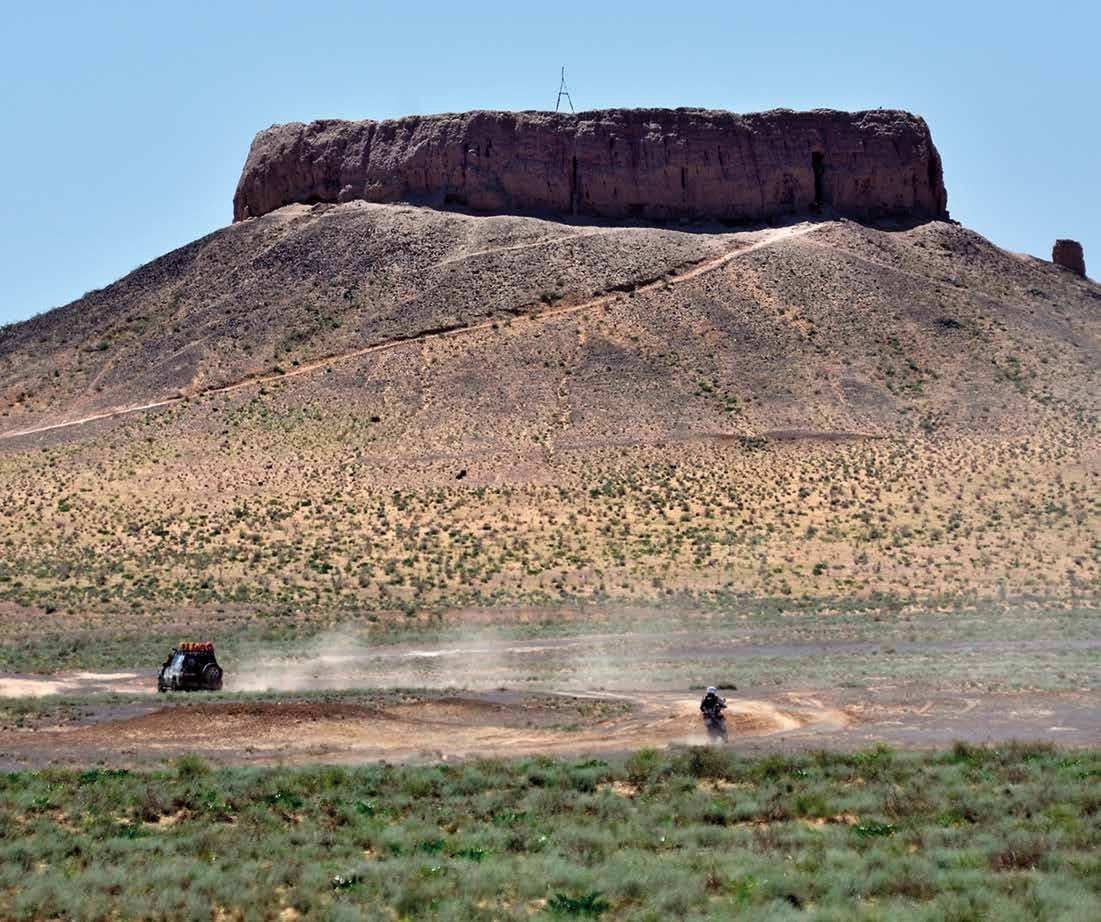
Nukus falls outside the usual route through Uzbekistan. There's no Timurid turquoise of Samarkand here and no medieval streets of Bukhara — it's a Soviet-planned city in the northwest of the country, the capital of the Republic of Karakalpakstan, on the edge of the dried-up Aral Sea. And yet it's exactly here that one of the most unexpected art collections on the planet is found. This guide covers why to go to Nukus, what to see beyond the main museum, and how to fit the journey here into a route.
Why go to Nukus at all?
Be honest about expectations: the city itself isn't touristy in the usual sense. It's a calm administrative center with Soviet building, without an ancient core. Its strength isn't in architecture but in a concentration of meaning: here is kept what was condemned, and in that contrast — a dusty border city with world art inside — lies all of Nukus's charm.
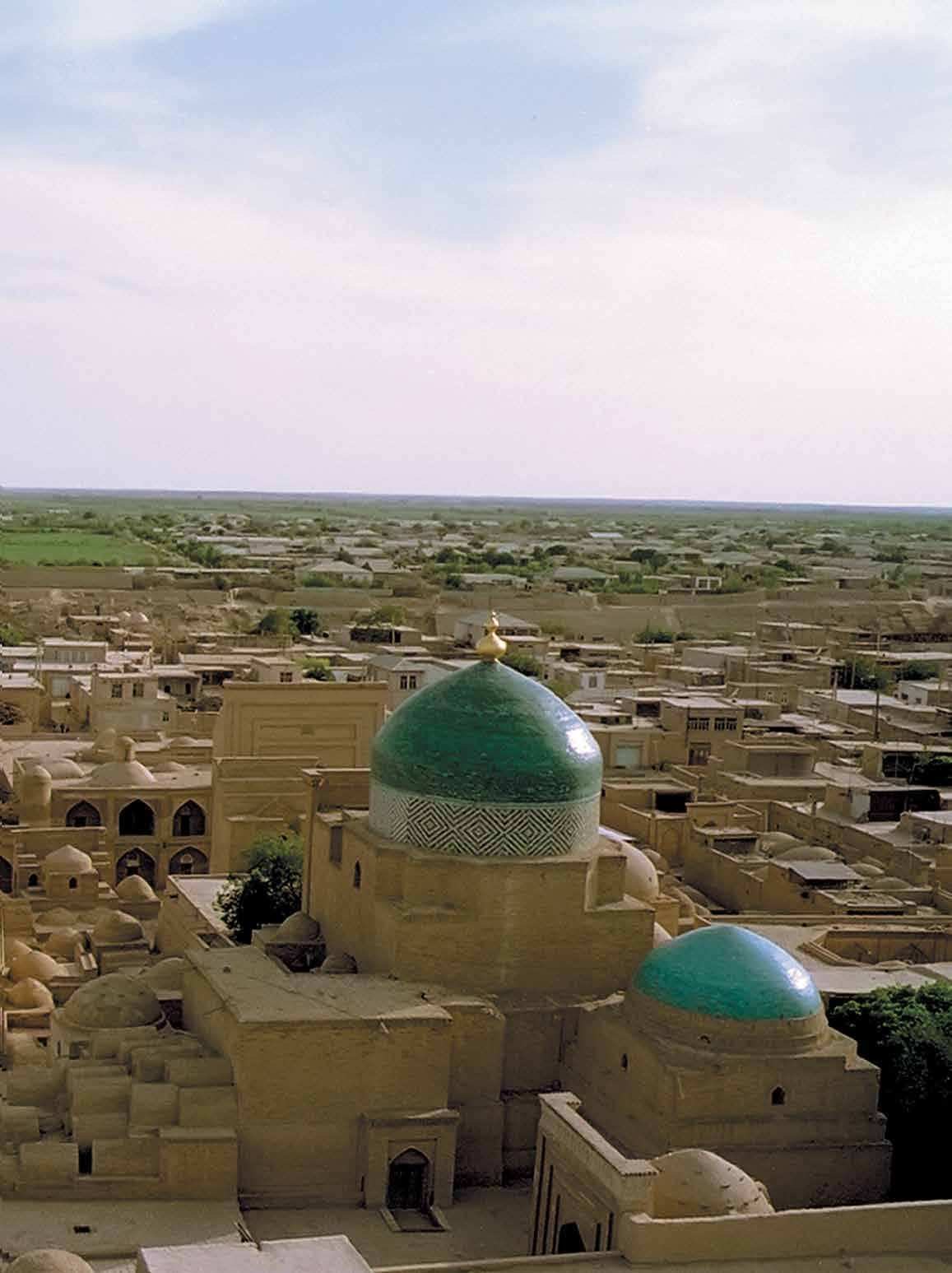
What is the Savitsky Museum, and why is it called the "Louvre in the desert"?
The collection's value is that this is art that was banned in the center of the country. While the official canon demanded socialist realism, the avant-garde, formalism and "wrong" artists fell outside the law — their works were hidden, destroyed, and the authors themselves repressed. Savitsky collected exactly this: canvases that were dangerous to keep in Moscow or Leningrad could be preserved in distant Nukus.
The exhibition is usually divided into several large parts: fine art (that very avant-garde and works by Uzbek and local artists), the folk-applied art of Karakalpakstan, and the art of Ancient Khorezm. So in a single visit you travel the path from the region's archaeological antiquities to 20th-century painting.
It's a museum whose value lies not in what's in it, but in the fact that none of it should have survived at all.
Who was Igor Savitsky?
The locals called him "Savetski" and knew him across the whole district: tales of the Russian who drove around the desert buying up old things were told even in far-off villages. People gave him family heirlooms — clothing, jewelry, carpets — believing this eccentric man would keep his word and show them to the world. That's how the museum also acquired its richest collection of Karakalpak ethnography. For his services, Savitsky was posthumously awarded a state honor of Uzbekistan.
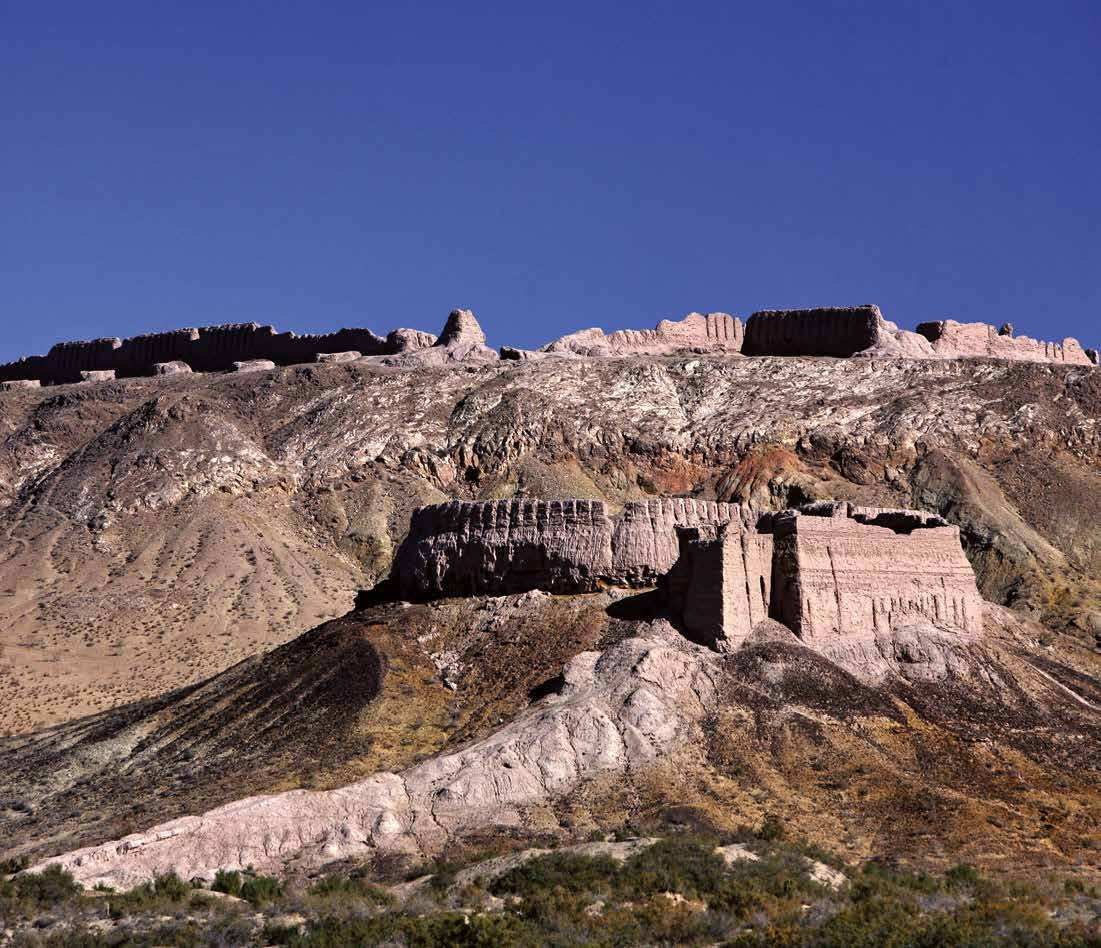
What is shown about Karakalpak culture?
This is the part of the exhibition that tourists who came "for the avant-garde" often rush past — and shouldn't. Karakalpak silver, embroidery and carpets give a feel for the culture of a people living at the junction of settled and nomadic traditions, in a land known today above all for the ecological catastrophe of the Aral. This is not a museum display case of the past but a still-living identity.
How do you reach the Aral Sea from Nukus?
The Aral isn't a sight in the tourist sense but one of the most vivid sites of the 20th century's ecological catastrophe: a whole sea gone in a few decades through the diversion of rivers for cotton. To stand on the dry seabed beside the rusted fishing vessels is a powerful, sobering experience. Many come to the region precisely for this, combining Muynak with the museum in Nukus.
How many days do you need for Nukus?
Give the museum at least half a day without hurrying — the collection is large, and rushing it is pointless. Check the opening hours and days off in advance: it's not a round-the-clock tourist attraction, and the schedule can change. In the city itself, evening life is quiet, so Nukus is a trip "for the sake of the matter," not for the nightlife atmosphere.
How do you get to Nukus?
Logistically, Nukus is most convenient to combine with Khiva: they're relatively close, and many include both points in the "western wing" of an Uzbekistan route. If time is limited, a flight from Tashkent and back saves almost a full day compared to the train. Bear in mind the region is remote and the infrastructure more modest than in Samarkand or Bukhara.
Frequently asked questions about Nukus
Is it worth going to Nukus for one museum?
If you're interested in 20th-century art — yes, many fly here specifically just for the Savitsky collection and don't regret it. If art leaves you indifferent and your travel time is limited, Nukus can be skipped: there's no ancient architecture here like in Samarkand or Bukhara.
What is kept in the Savitsky Museum?
The world's second-largest collection of Russian avant-garde of the 1920s–1930s, works by Uzbek and local artists, the art of Ancient Khorezm, and a rich collection of Karakalpak ethnography — clothing, carpets, silver, a yurt. The holdings number tens of thousands of exhibits.
How do you get from Nukus to the Aral Sea?
Via the town of Muynak about 200 km to the north — a former port where there's now a "ship graveyard" in the middle of the dried-up seabed. It's usually a separate day or an organized tour from Nukus.
How much time should you allow for Nukus?
One day for the city with the museum. With a trip to the Aral and Muynak, two to three days for the whole region.
What's the most convenient way to reach Nukus?
By plane from Tashkent — it saves a great deal of time compared to the many-hour train. Overland, Nukus is convenient to link with Khiva, which is relatively close.
Want to see Uzbekistan the way the people who live here see it?
Become a Kvazar Explorer →