Kvazar · Food

乌兹别克斯坦美食地图集

An atlas of culinary schools, not a catalog of dishes: seven regions, eight ways to cook plov, and the places where each school shows its true form.

Tashkent OasisFergana ValleySamarkandBukhara and GijduvanKhorezmKarakalpakstanThe South: Surkhandarya and Kashkadarya
  • Tashkent Oasis
  • Fergana Valley
  • Samarkand
  • Bukhara and Gijduvan
  • Khorezm
  • Karakalpakstan
  • The South: Surkhandarya and Kashkadarya

Pick a region

Pick a region on the map or in the list.

Every dish, by course

Mains

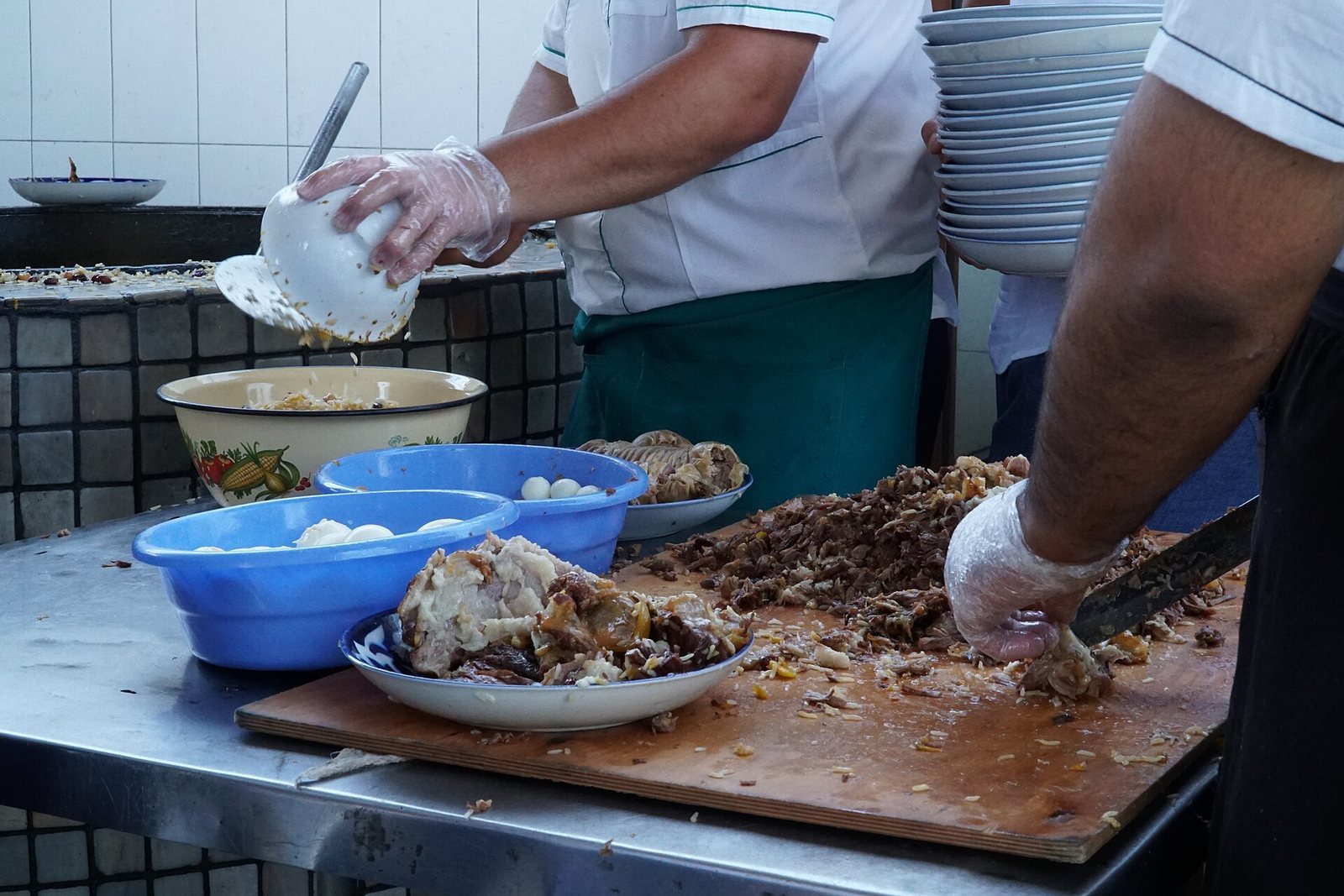
  • Plov (Palov) — The national dish and its eight regional schoolsTashkent Oasis, Fergana Valley, Samarkand…阅读完整指南 →
  • Manty (Manti) — Steamed parcels of knife-cut meatTashkent Oasis, Fergana Valley, Samarkand…阅读完整指南 →
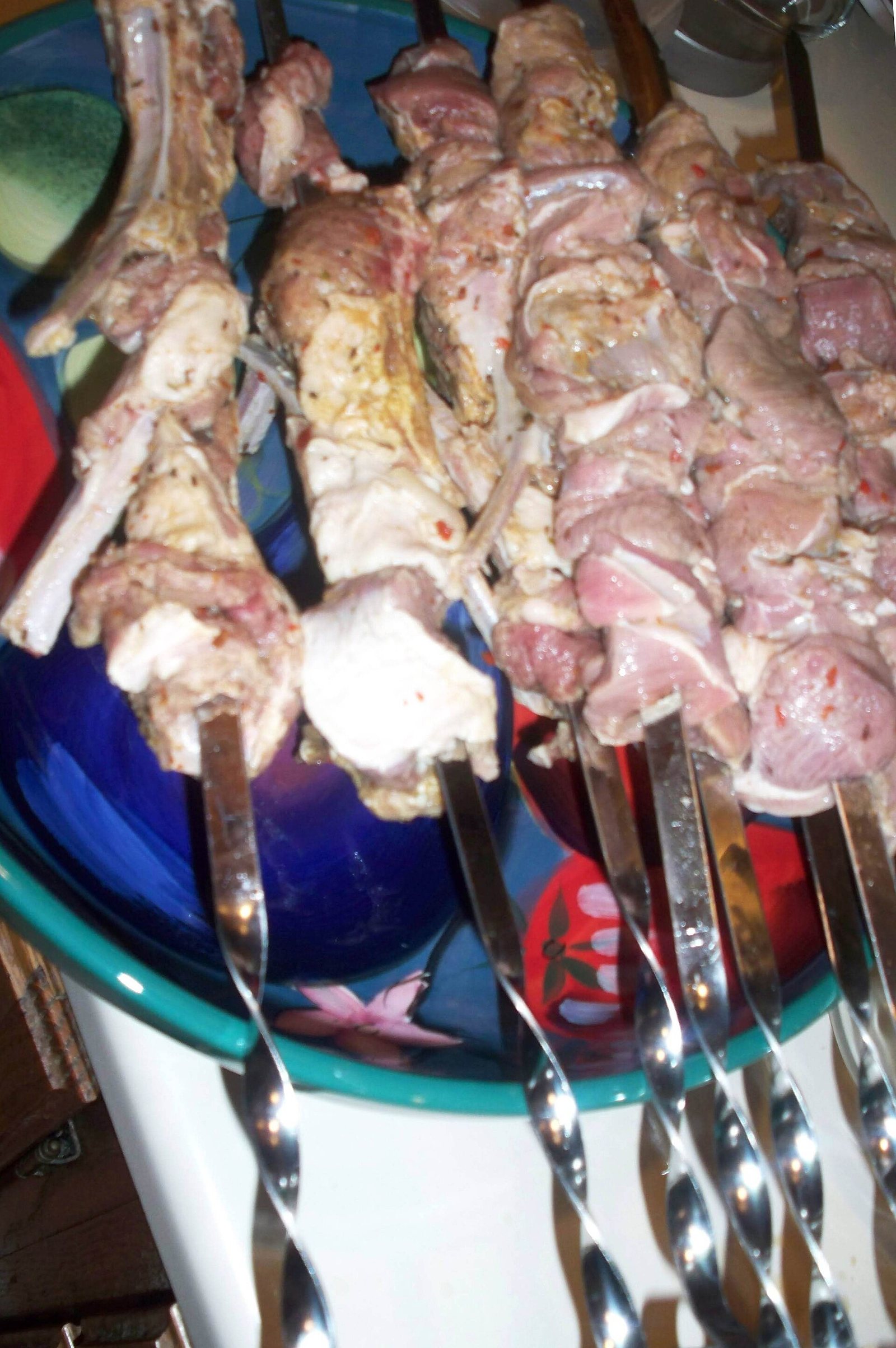
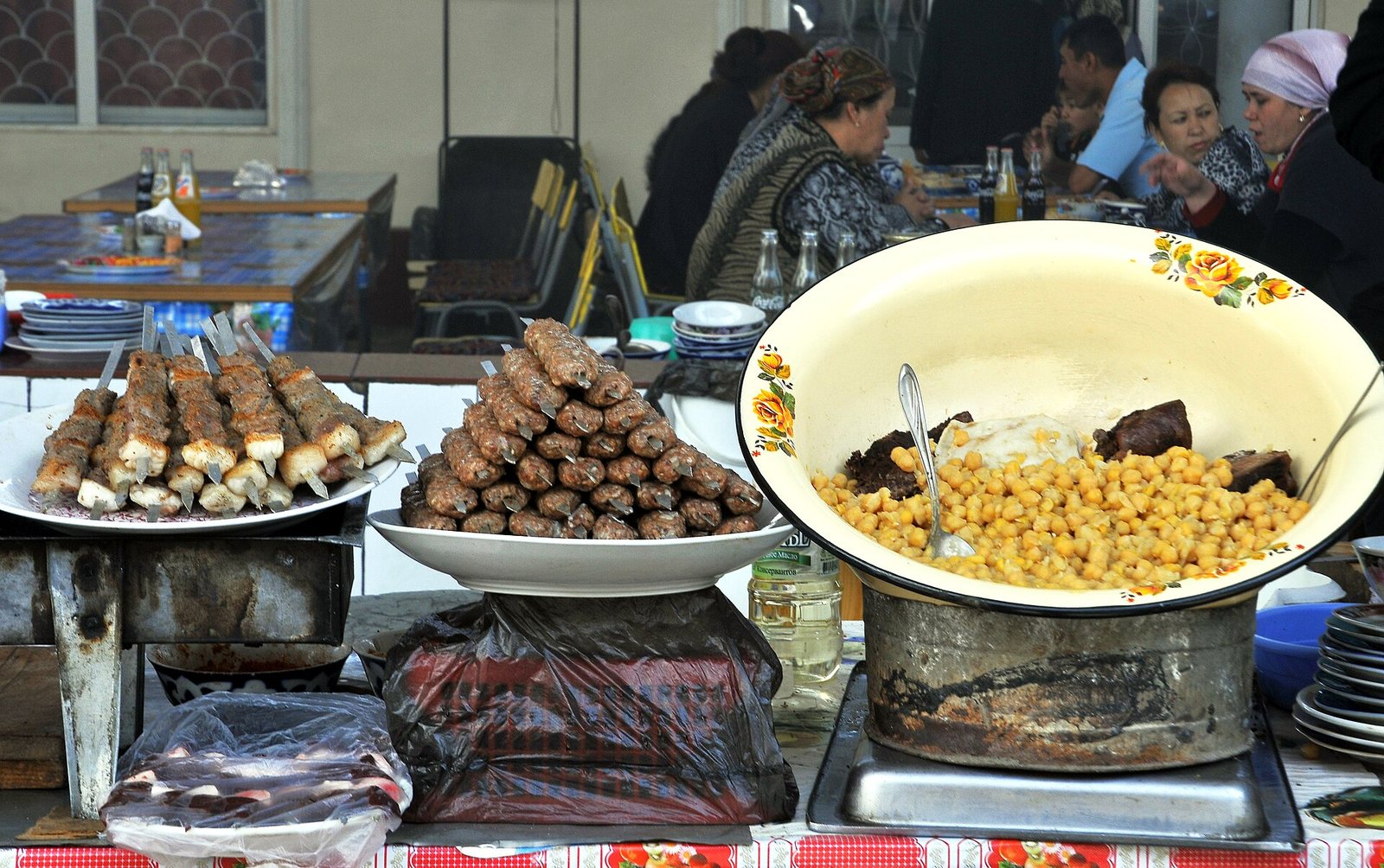
  • Shashlik — Charcoal, fat-tail and the Gijduvan schoolTashkent Oasis, Fergana Valley, Samarkand…阅读完整指南 →
  • Dimlama — Slow-steamed layers of meat and vegetables; a summer-autumn dishTashkent Oasis, Fergana Valley, Samarkand…指南筹备中
  • Kazan kabob (Qozon kabob) — Meat and potatoes fried crisp in the kazanTashkent Oasis, Fergana Valley指南筹备中
  • Tandyr kabob (Tandir kabob) — Lamb baked in a sealed tandyr over juniperThe South: Surkhandarya and Kashkadarya指南筹备中
  • Naryn (Norin) — Hair-thin noodles with kazy horse sausageTashkent Oasis, Khorezm指南筹备中
  • Chuchvara — Little dumplings in broth or with suzmaTashkent Oasis, Fergana Valley, Samarkand…指南筹备中
  • Hasyp (Hasip) — Homemade sausage of lamb offal and riceSamarkand, Bukhara and Gijduvan指南筹备中
  • Shivit oshi — Green dill noodles — Khiva's signatureKhorezm指南筹备中
  • Tuxum barak — Dumplings filled with raw egg before sealingKhorezm指南筹备中
  • Karakalpak beshbarmak (Beshbarmoq) — Wide noodles with meat — the steppe's dishKarakalpakstan指南筹备中
  • Jiz-byz (Jiz-biz) — Offal fry-up on blazing-hot fatKarakalpakstan, Bukhara and Gijduvan指南筹备中
  • Jarkop — Home-style meat and potato stewTashkent Oasis, Fergana Valley, Samarkand…指南筹备中
  • Aral fish (Orol balig'i) — Muynak's dried and smoked fishKarakalpakstan指南筹备中

Soups

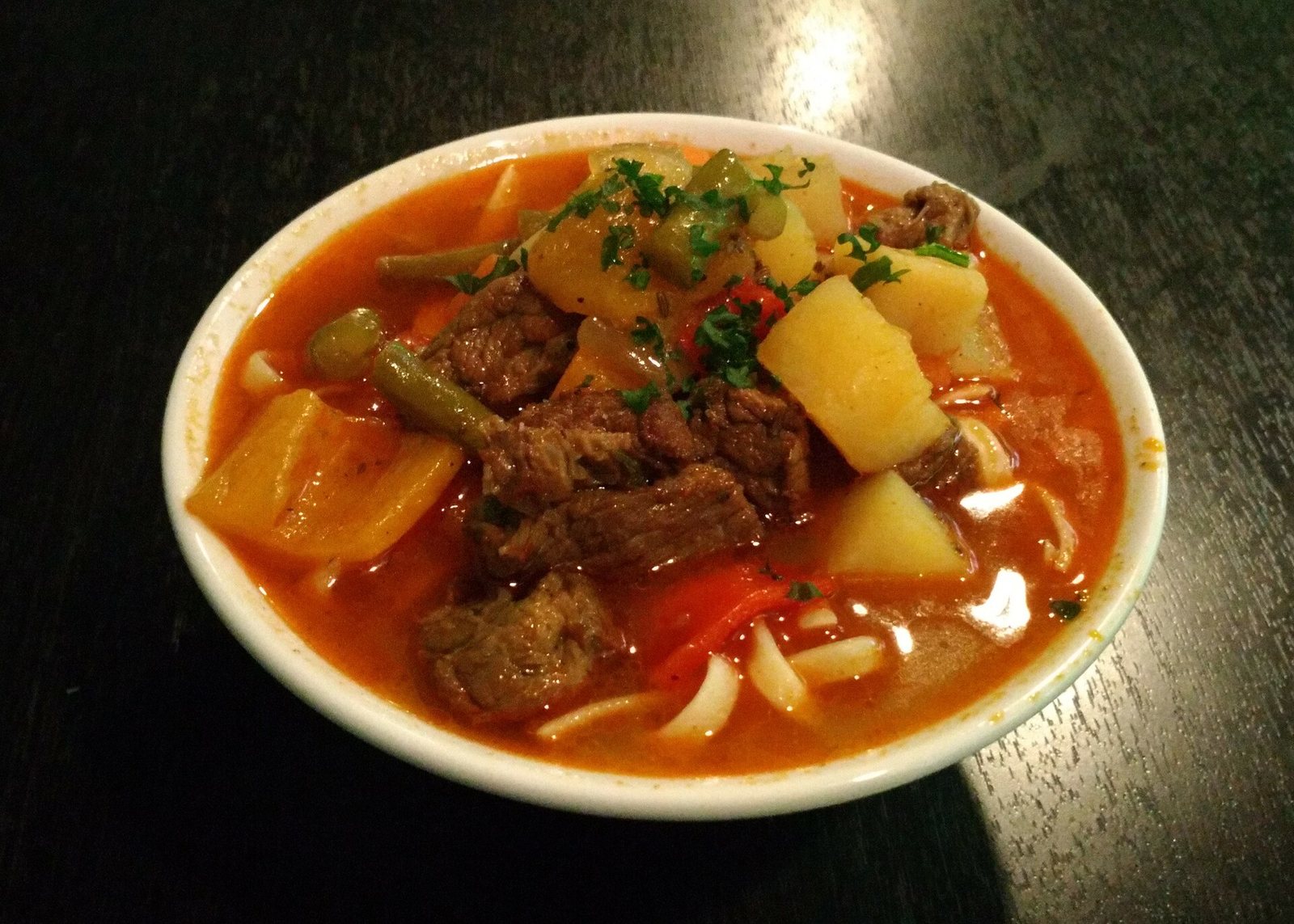
  • Lagman (Lag'mon) — Hand-pulled noodles: soup or wok-friedFergana Valley, Tashkent Oasis阅读完整指南 →
  • Shurpa (Sho'rva) — Clear lamb broth with whole vegetablesTashkent Oasis, Fergana Valley, Samarkand…阅读完整指南 →
  • Mastava — Rice soup — 'liquid plov'Tashkent Oasis, Samarkand阅读完整指南 →
  • Moshxurda (Moshxo'rda) — Mung bean and rice soup — a Tashkent stapleTashkent Oasis指南筹备中
  • Nohat shurpa (No'xat sho'rva) — Bukhara's long-simmered chickpea soupBukhara and Gijduvan指南筹备中
  • Ugra-osh (Ugra osh) — Soup with hand-cut homemade noodlesTashkent Oasis, Fergana Valley, Samarkand…指南筹备中
  • Chalop — Cold yogurt soup with herbsFergana Valley指南筹备中

Pastry

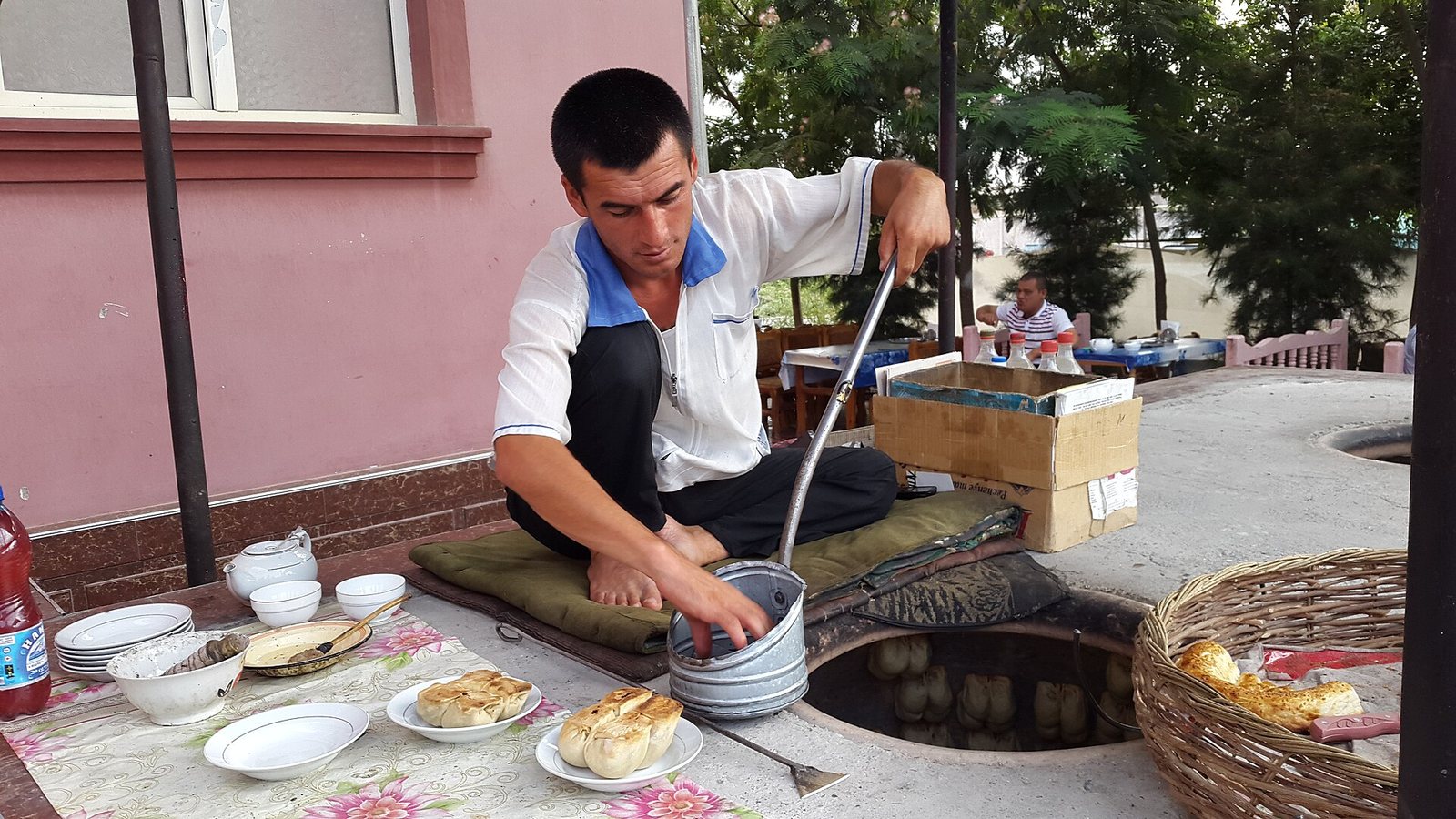
  • Samsa (Somsa) — Layered pastry from the tandyr wallTashkent Oasis, Fergana Valley, Samarkand…阅读完整指南 →
  • Katlama (Qatlama) — Layered fried flatbreadFergana Valley指南筹备中
  • Yupka (Yupqa) — Paper-thin pancakes layered with meatFergana Valley指南筹备中
  • Gumma — Khorezm's fried hand piesKhorezm指南筹备中

Bread

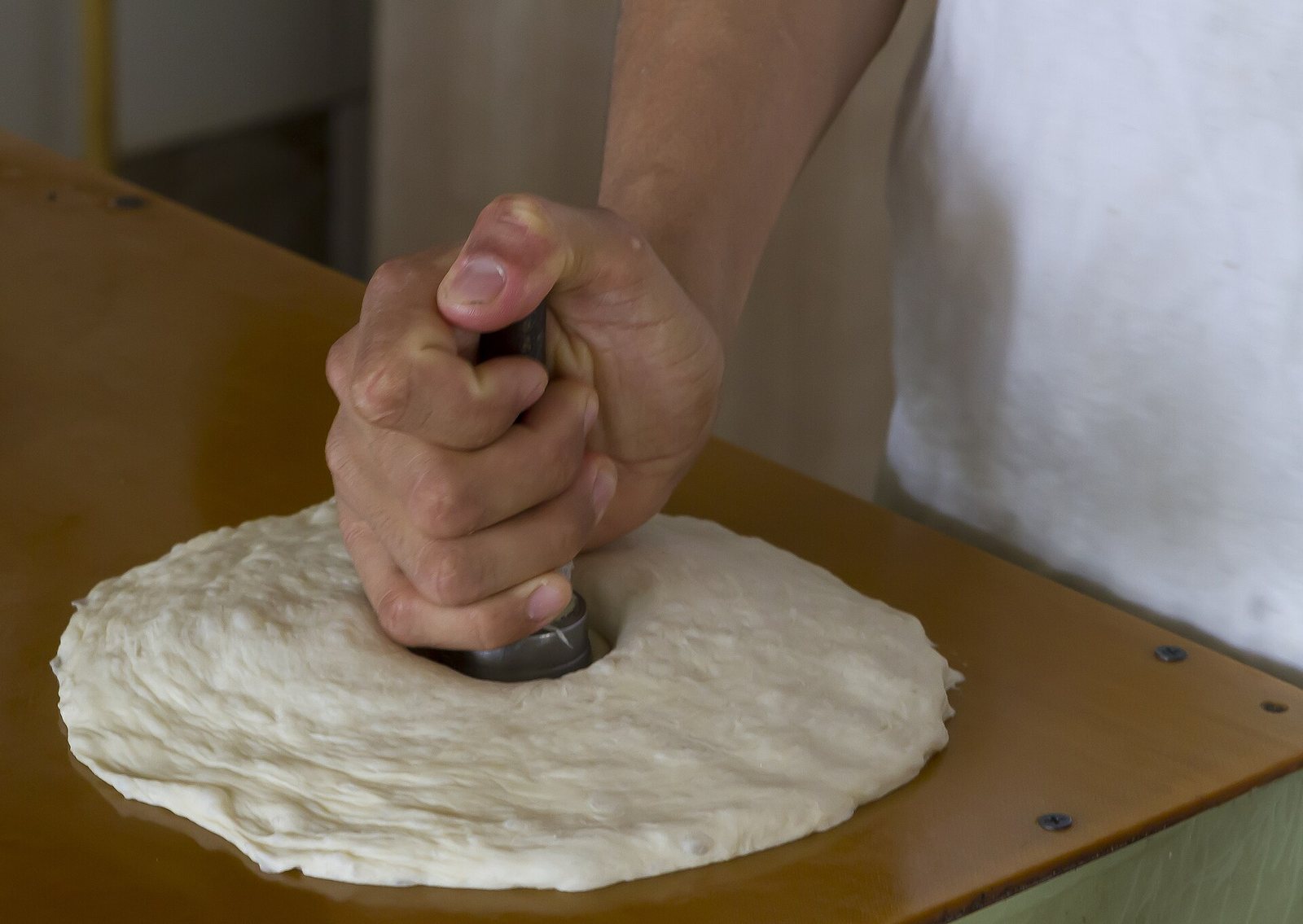
  • Non (flatbreads) (Non) — Shirmoy, obi-non, patyr — the bread you never turn overSamarkand, Bukhara and Gijduvan, Fergana Valley阅读完整指南 →

Desserts

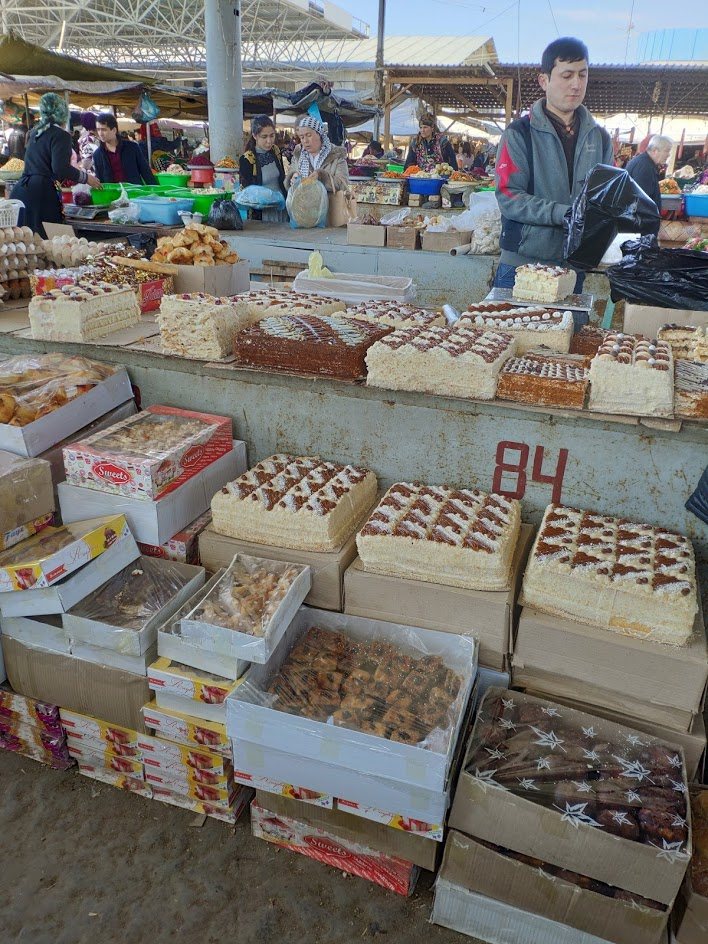
  • Eastern sweets (Shirinliklar) — Parvarda, navat, halva and chak-chakTashkent Oasis, Fergana Valley, Samarkand…阅读完整指南 →
  • Halvaitar (Holvaytar) — Samarkand's warm flour halvaSamarkand指南筹备中
  • Parvarda and navat (Parvarda, novvot) — Flour-dusted caramels and crystal sugar for teaBukhara and Gijduvan指南筹备中

Ritual

  • The chaikhana and tea etiquette (Choyxona) — Why everything is settled over a bowl of teaTashkent Oasis, Fergana Valley, Samarkand…阅读完整指南 →
  • Sumalak — Navruz in a kazan: malt syrup stirred all night longTashkent Oasis, Fergana Valley, Samarkand…指南筹备中

Snacks

  • Kazy (Qazi) — Horse sausage — the delicacy served over plov and narynTashkent Oasis, Fergana Valley, Samarkand…指南筹备中
  • Kurt (Qurt) — Dried salty cheese balls — road foodTashkent Oasis, Fergana Valley, Samarkand…指南筹备中

Drinks

  • Ayran and cultured milk (Ayron) — Katyk, suzma, chakka and cold ayranTashkent Oasis, Fergana Valley, Samarkand…指南筹备中

Seasonal

  • Melons, watermelons, pomegranates (Qovun, tarvuz, anor) — Khorezm melons and Kuva pomegranatesKhorezm, Fergana Valley指南筹备中

打开术语词典 →

Where to eat, by city

Bazaar · Tashkent

Chorsu Bazaar

The capital's edible museum under a turquoise dome: spice rows, kazy, hills of devzira rice and bread straight from the tandyr.

阅读完整指南 →
Plov center · Tashkent

Besh Qozon Plov Center

Tashkent plov at industrial scale: ton-sized kazans, a mixed queue of locals and travelers, everything gone by lunch.

Bazaar · Samarkand

Siab Bazaar

The bazaar beside Bibi-Khanym: shirmoy non, Samarkand halva, dried fruit and the best dome views between the stalls.

阅读完整指南 →
Oshxona · Samarkand

Shirmoy non bakeries

The flatbread baked only in Samarkand: dense, faintly sweet, stamped with its seal — and famously slow to go stale.

阅读完整指南 →
Chaikhana · Bukhara

Chaikhanas by Lyabi-Hauz

Tea by the pond where Bukhara has gathered for five centuries: pialas, kurpachas and nohat shurpa in mulberry shade.

阅读完整指南 →
Oshxona · Gijduvan

Gijduvan shashlik row

Half an hour from Bukhara, a whole street of grills: Gijduvan shashlik is held to be the national benchmark.

阅读完整指南 →
Bazaar · Margilan

Kumtepa Bazaar

The Fergana Valley's Sunday bazaar: fresh katlama, mounds of devzira, silk — and the most honest provincial food.

Chaikhana · Khiva

Itchan Kala chaikhanas

Shivit oshi and tuxum barak in clay courtyards inside the fortress walls — Khorezm cooking on its home ground.

阅读完整指南 →
Seasonal · Urgench and Khiva

Khorezm melon rows

From August to October Khorezm's roadsides and bazaars turn into melon galleries: gulyabi, kyrk-kyz, winter varieties under straw.

Seasonal · Muynak

Muynak fish yards

The town the sea left behind still smokes and dries fish — lake fish now; a taste that outlived the Aral.

阅读完整指南 →

地图集如何运作

Uzbek cuisine does not divide by restaurant menus — it divides by regional schools. The same plov is cooked in at least eight distinct ways, and the difference between Fergana and Khorezm is not a nuance but a different philosophy of rice, fire and fat. This atlas maps those schools: seven regions, each with its signature dish, its core repertoire and the places where its cooking is at its most honest.

The atlas is an interactive shell over the site's food cluster, not a copy of it: every dish links to its single full guide, every place to the city article that describes it. Dish entries marked “guide coming” are part of the editorial plan — the inventory is published deliberately, gaps and all.

Start with the plov guide and the schools above, then plan the journey: Samarkand and Bukhara food guides, and the routes that connect them.

常见问题

What is the Gastronomic Atlas?

An editorial map of Uzbekistan's culinary schools: seven regions, their signature dishes, the eight major styles of plov, and curated places where each school is at its best. It links into the site's full dish guides rather than duplicating them.

Is this a restaurant guide with ratings?

No. Places here are cultural landmarks — bazaars, chaikhanas, plov centers — chosen for their role in the region's food culture, not rated listings with menus and prices.

Why does plov differ so much between regions?

Rice, carrots, fire and ritual all differ: Fergana insists on devzira rice, Tashkent on yellow carrots and layered plating, Samarkand steams its plov in layers without stirring, Bukhara sweetens the wedding osh-i-sofi with raisins.

Which region should a first-time visitor start with?

The classic triangle — Tashkent, Samarkand, Bukhara — covers three plov schools and the country's great bazaars. Add the Fergana Valley if you care about devzira rice and hand-pulled lagman, or Khorezm for the most unusual table.

How current is the atlas?

Places are reviewed quarterly; place cards deliberately avoid opening hours and prices, describing cultural role instead — that is what stays true. Corrections: hello@kvazar.uz.

资料来源与事实核查

Regional attributions and dish histories were checked against: the UNESCO Intangible Cultural Heritage listing for Uzbek palov culture (2016); “Uzbekistan: the Cookbook” materials and published ethnographic work on Central Asian foodways; the Kvazar editorial team's own field notes from Tashkent, the Fergana Valley, Samarkand, Bukhara and Khiva. The atlas reflects the priorities and interpretation of the Kvazar editorial team.