The Aral Sea
Ships in the middle of the desert, a hundred kilometres from water. Muynak shows what a person can do to a sea in a single human lifetime. It is not a monument but a warning — and the most powerful point of western Uzbekistan.
Curated routes through Uzbekistan, now linked to full route pages instead of anchors or placeholders.
I have one day
Choose how long
How much time do you have?

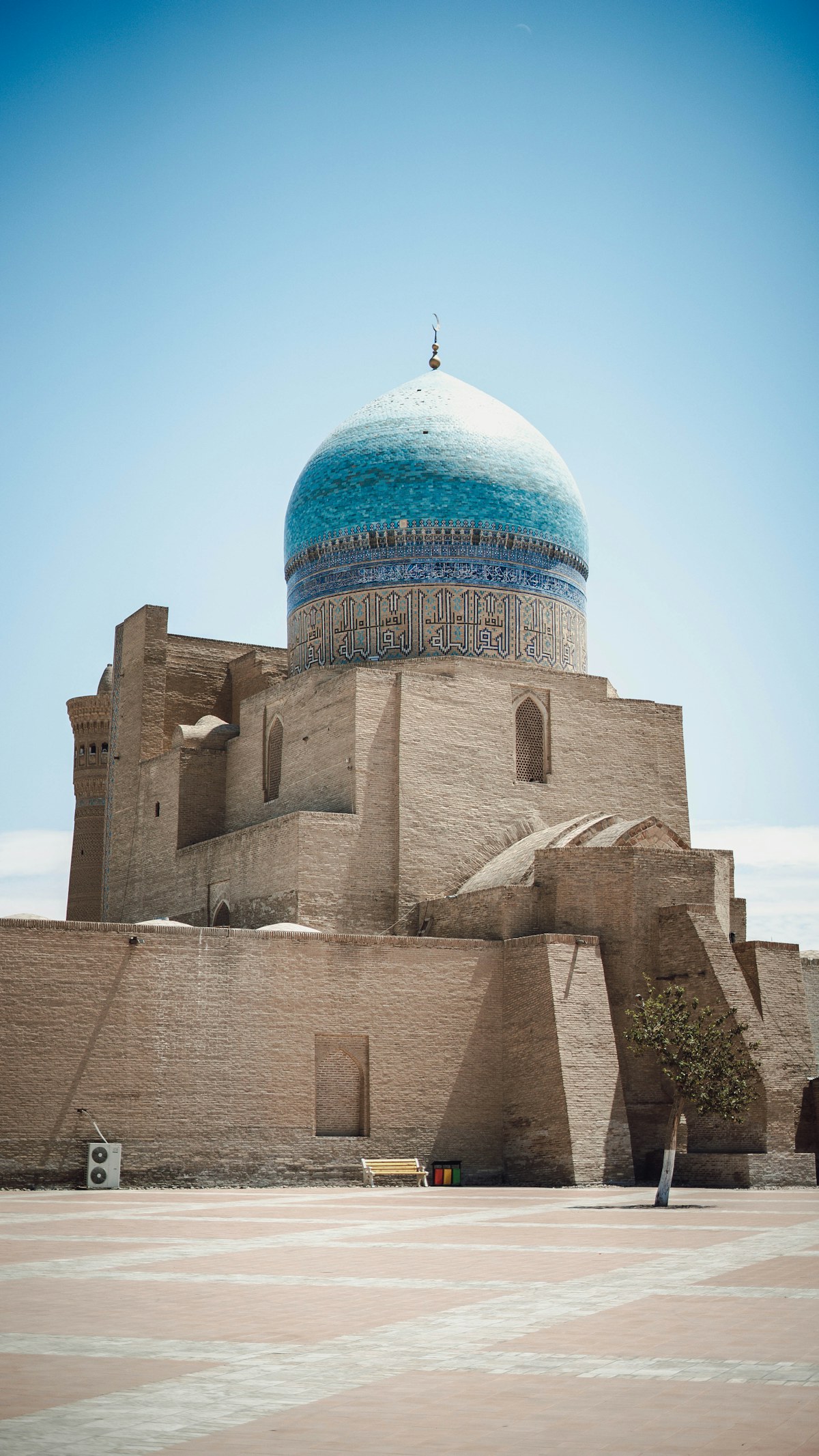
Samarkand is toured. Bukhara is lived in. There are no separate giant monuments across empty lots here — there is a whole medieval city preserved as an organism, which in a day you cross in one long walk.

After the dense Silk Road cities, Aydarkul works as an exhale: a vast lake in the middle of the desert, yurts, camels and a starry sky free of city light. Another Uzbekistan — not architecture but space and the nomadic way of life.
Five days is the first length that feels like a journey rather than a visit. It's exactly enough for the two cities that matter most — and exactly not enough for a third, which is why it works so well.
Ten days is the trip a week wishes it were. The difference isn't one more city — it's that the fourth city, Khiva, changes the shape of the whole journey. You stop collecting monuments and start travelling backward through time.

This is Uzbekistan's most honest transfer: between Bukhara and Khiva lies the Kyzylkum desert, and there's no two-hour Afrosiyob here. There is a choice, though — and it's the choice that scares people more than the road itself.

Ships in the middle of the desert, a hundred kilometres from water. Muynak shows what a person can do to a sea in a single human lifetime. It is not a monument but a warning — and the most powerful point of western Uzbekistan.
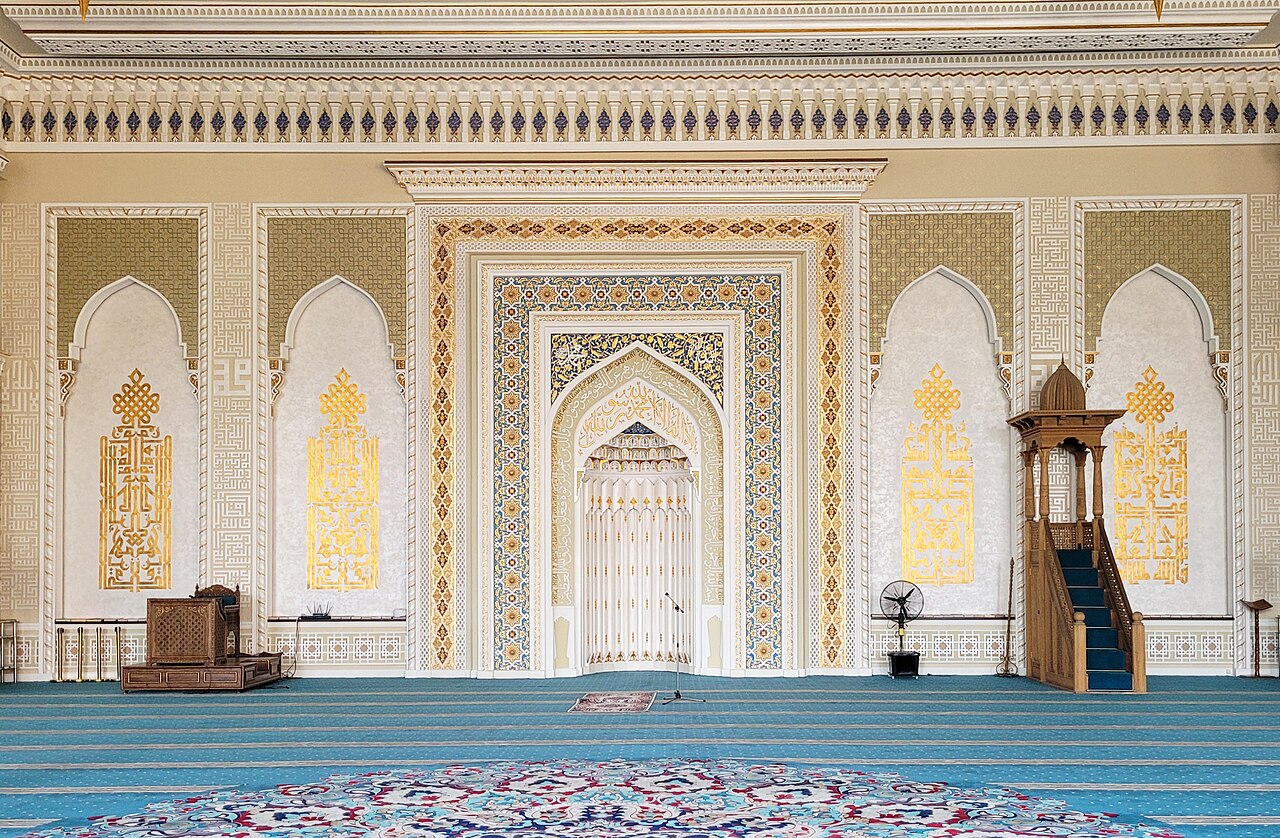
Between Samarkand and Bukhara, off the golden arc, lies a desert — and in the middle of it an unexpected lake. People come here not to look but to stay the night: a yurt, camels, a fire and the silence of the Kyzylkum, found nowhere else in the country.
After the dense Silk Road cities, Aydarkul works as an exhale: a vast lake in the middle of the desert, yurts, camels and a starry sky free of city light. Another Uzbekistan — not architecture but space and the nomadic way of life.
Baysun is Uzbekistan as it was before the cities and the caravans: mountains, springs and a way of life that changed more slowly than anywhere. Not a monument in a museum but living antiquity in the open air, recognised by UNESCO.
Samarkand is toured. Bukhara is lived in. There are no separate giant monuments across empty lots here — there is a whole medieval city preserved as an organism, which in a day you cross in one long walk.
The old town shows what was sold in Bukhara. Gijduvan, an hour away, shows what was made by hand here — and still is, at the same potter's wheel. The third day is a choice: out to the masters, or slowly across Bukhara itself.
This is Uzbekistan's most honest transfer: between Bukhara and Khiva lies the Kyzylkum desert, and there's no two-hour Afrosiyob here. There is a choice, though — and it's the choice that scares people more than the road itself.
An hour and a half between two capitals of the Silk Road. The high-speed Afrosiyob turns the move from the living medieval city-organism of Bukhara to the imperial sweep of Samarkand into a short, pleasant leg of the journey.
The old town speaks of trade and power. The emir's palace, a Sufi shrine and a city of the dead beyond the walls speak of faith and the emirate's twilight. A second day in Bukhara does not finish a list — it changes the scale from street to region.
Two hours from the capital's dusty heat lie snow-capped peaks and a turquoise lake. Chimgan isn't an expedition but that rare luxury where "escaping to the mountains" literally means leaving in the morning and being back by dinner.
People go to Samarkand to look. They go to the Fergana Valley to watch things being made. It is the country's craft heart, where Rishtan ceramics and Margilan silk are born in front of you rather than sitting behind museum glass.
Three cities, three eras: modern Tashkent, imperial Samarkand, medieval Bukhara. And Khiva in the west is another time entirely. The country's classic circular route reads as a journey deep into the centuries.
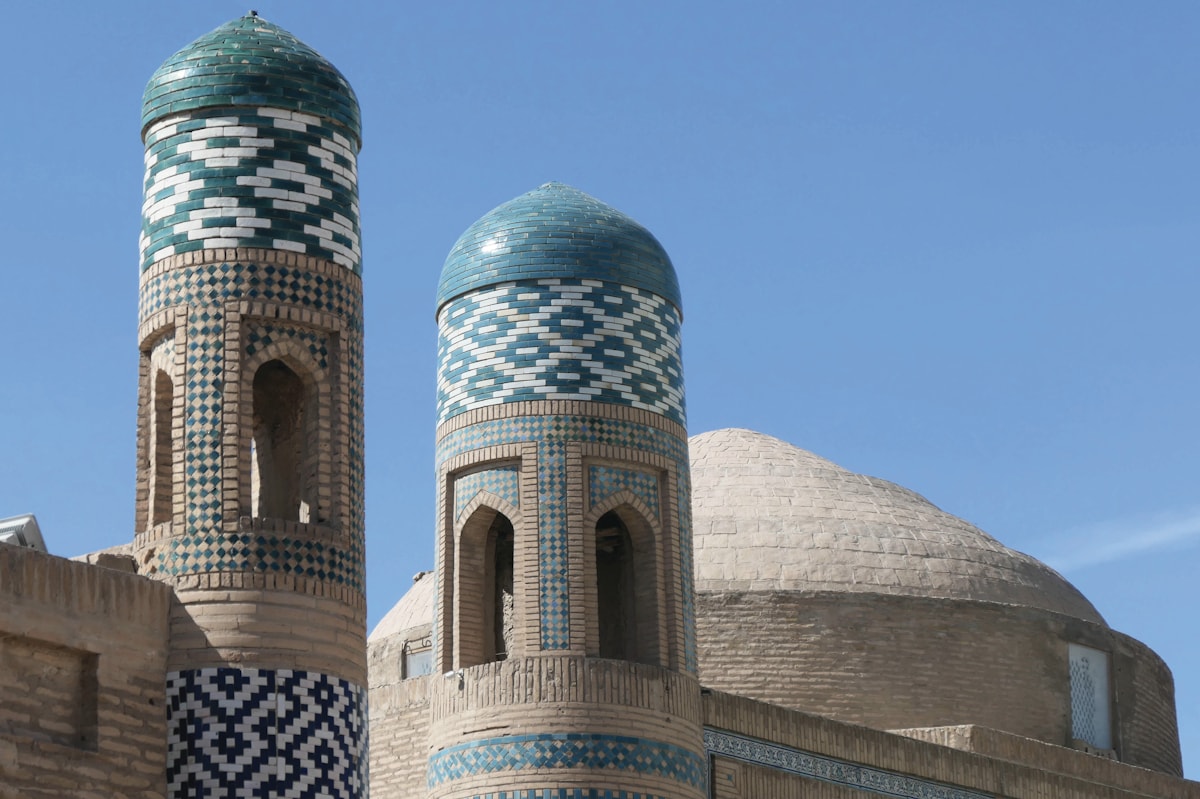
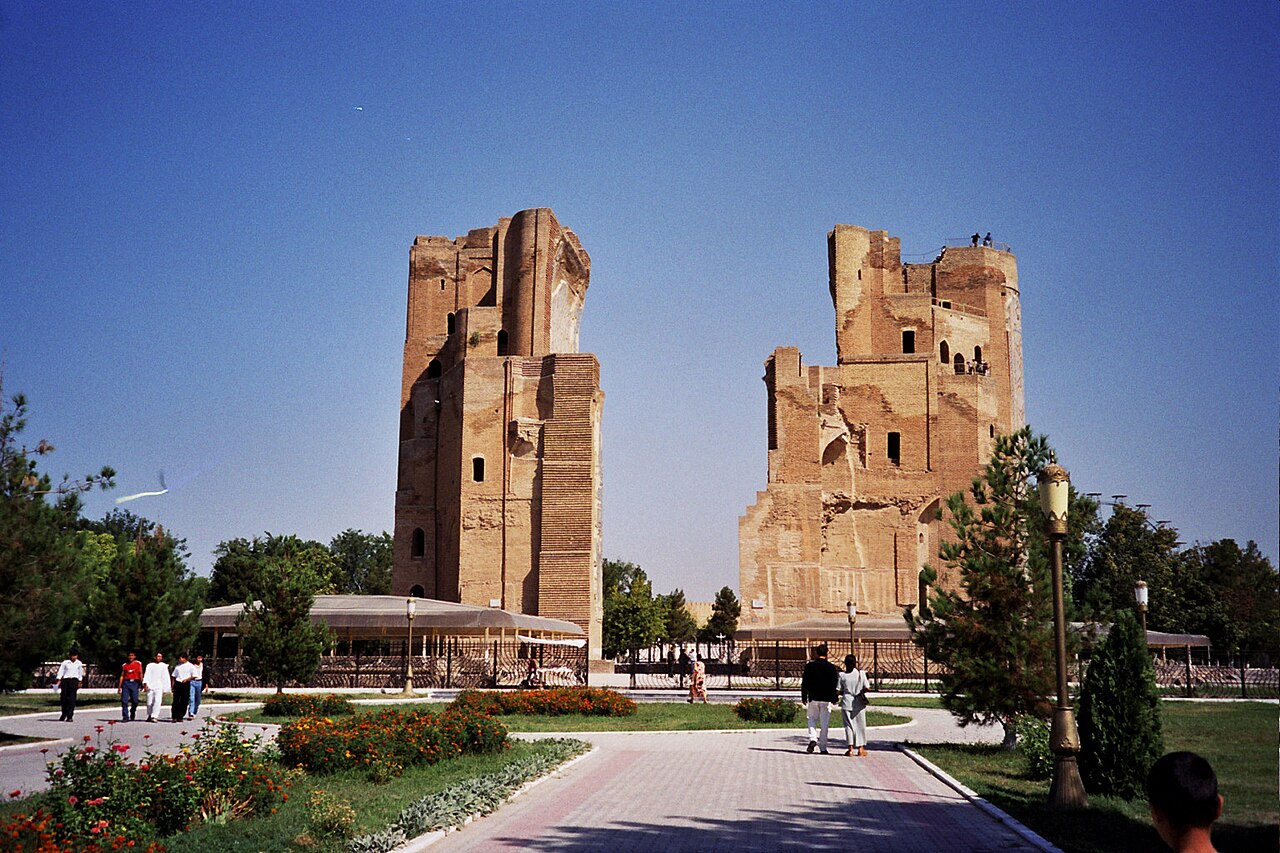
Samarkand and Bukhara keep masterpieces. Khiva survived whole — a clay fortress-town in the sands of Khorezm that has barely changed. You come not for a single monument but to spend a day inside the medieval world.
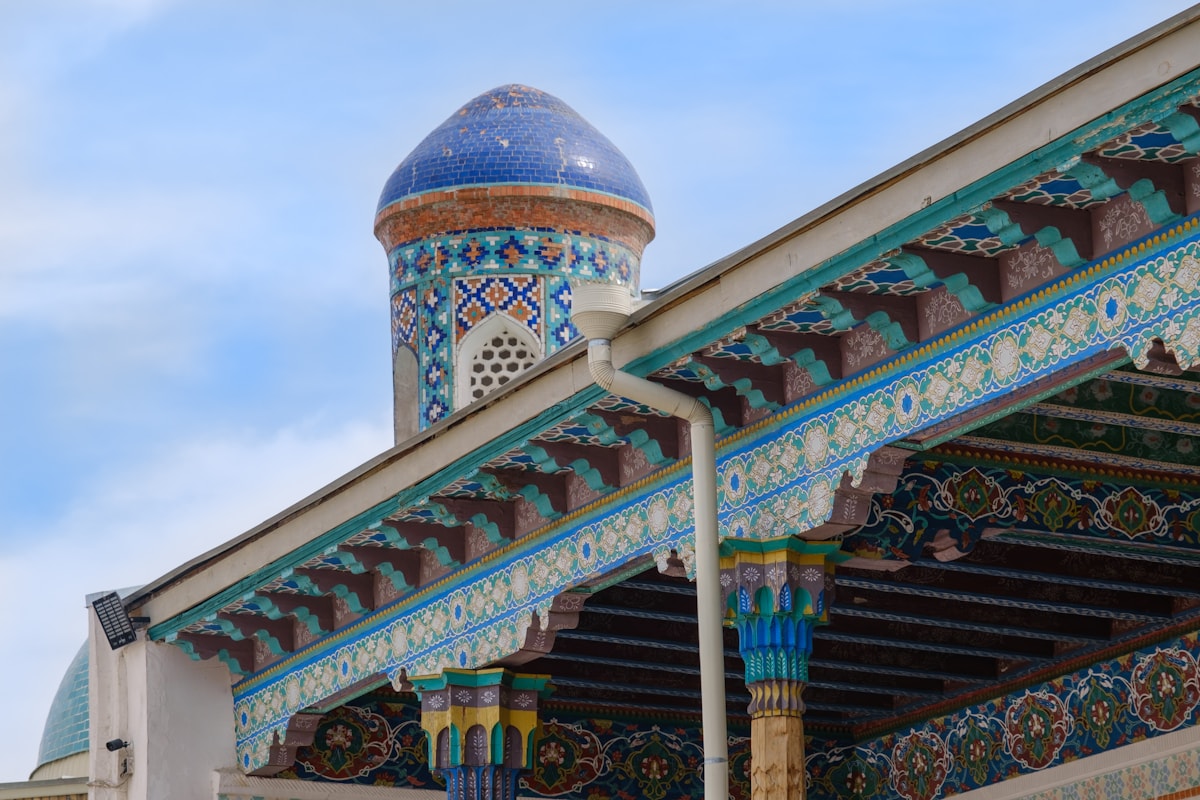
For two days you photograph Khiva's carved columns. The third day is about seeing how they are carved, and living the city from within, as locals do, between the waves of day tours. Or heading west — to the dried-up Aral.
Itchan Kala is the ornate finale of Khorezmian history. The desert fortresses an hour away are its beginning — weathered walls two thousand years old. A second day in Khiva changes the scale: from carved doors to bare sand and horizon.
Bukhara and Khiva keep their khanates as shrines and fortresses. Kokand keeps its as a palace — ornate, tiled and a little sad. This is the capital of the third Uzbek khanate and the historical gateway to the Fergana Valley.
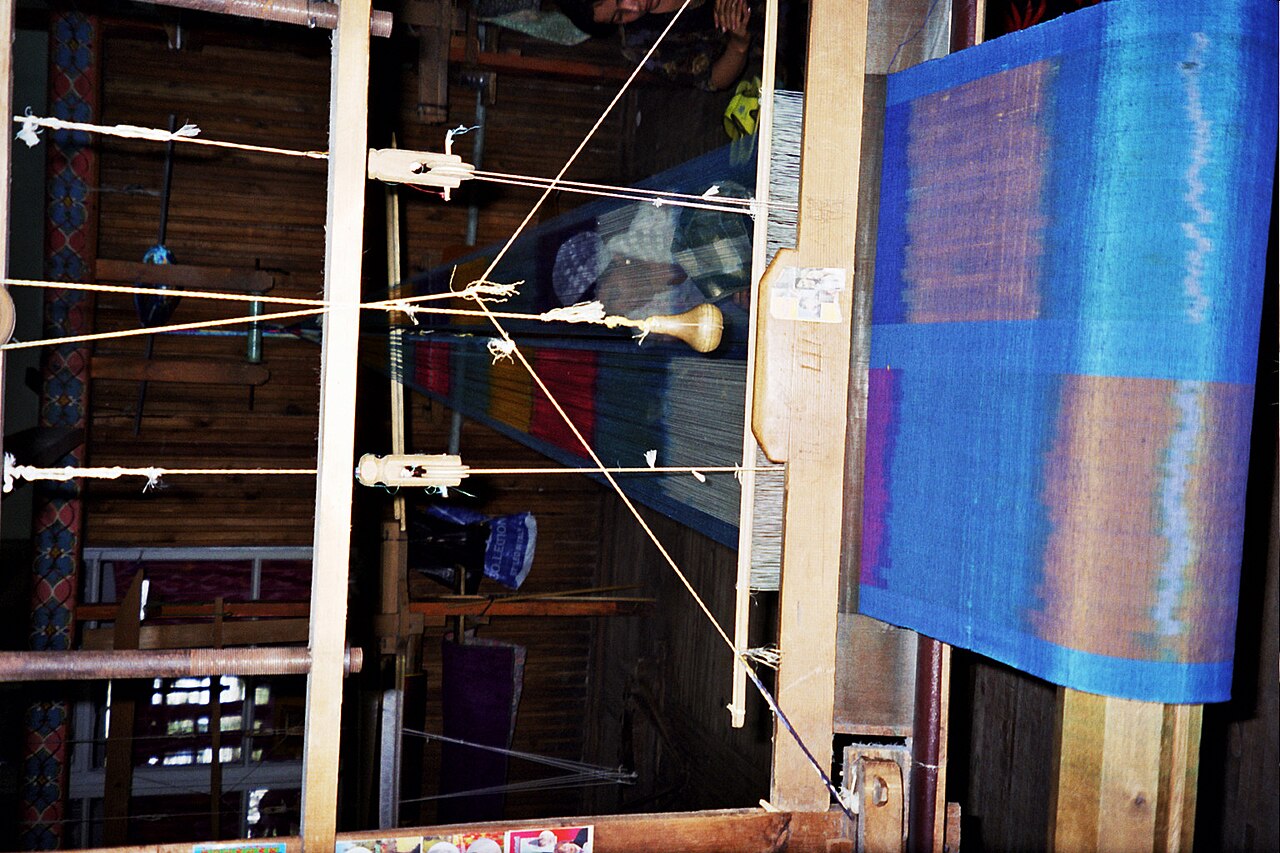
Rishtan is blue and turquoise on white, born of desert plants and fire. Margilan next door is silk and the shimmer of ikat. One day, two crafts of two different schools, and not a single repetition.
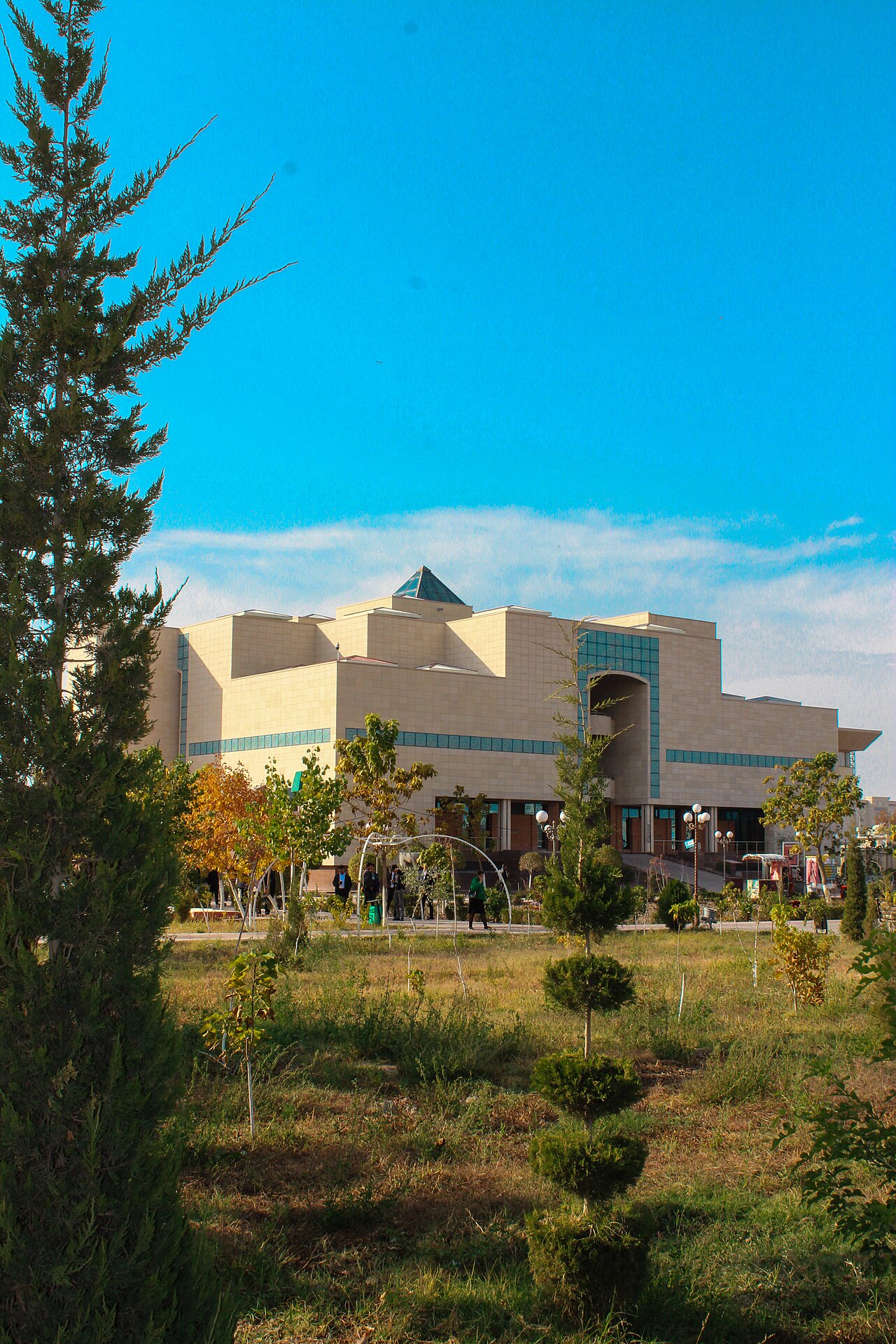
World avant-garde in the remote desert — the Savitsky Museum was saved by the very fact that it is hard to reach. The capital of Karakalpakstan, the country's westernmost city and the gateway to the dried-up Aral Sea.
One day is not a sentence passed on a city built over six centuries. It is a choice: walk the core of Samarkand and understand it, rather than sprint a list and forget it. Registan, Gur-e-Amir, Shah-i-Zinda — three eras within walking distance.
Samarkand is Timur at the peak of his power. But across a mountain pass, two hours away, lies Shakhrisabz — his home town, where he built for his family. The third day is a choice: deeper into Timurid history, or wider across a quiet Samarkand.
The golden route's second transfer is shorter than the first and just as easily solved by the Afrosiyob. The difference is that there are fewer trains — which makes booking ahead even more important than it looks.
Termez is the country's southernmost and most remote city, so the road here is part of the journey. Travelling overland through the 'Iron Gates' canyon or flying via Tashkent is a choice between landscapes and time.
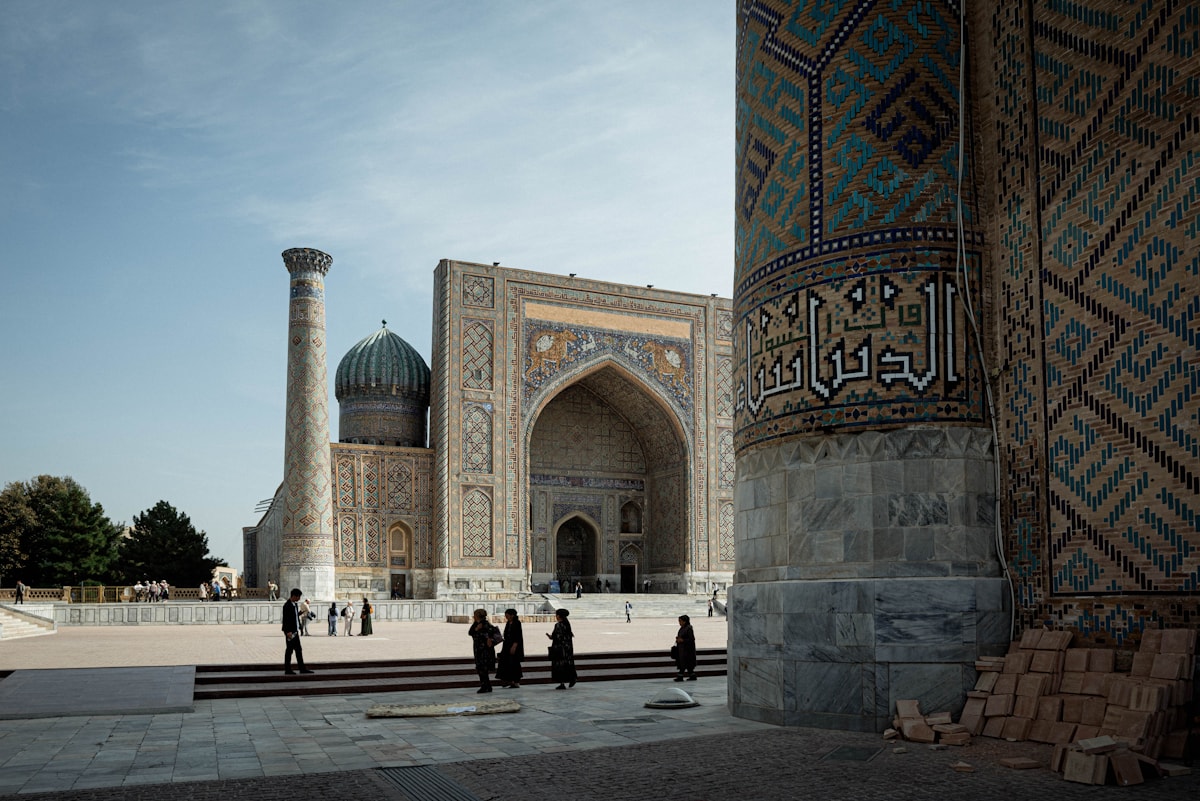
One day shows how Samarkand looks. The second shows what it thought with. An observatory, Sogdian frescoes, a water mill for paper: the city was a world centre of science, not only architecture — and that is worth staying for.
Samarkand tells of the golden age of science. Sarmishsay tells of a time when writing did not yet exist, and people spoke to the future in the only way available: by carving images into the eternal black stone. The country's most ancient layer of history.
Tashkent is the city most people pass through on the way to Samarkand's blue domes. One day won't make you an expert on the capital, but it's enough to see this: skipping it is a mistake — the real, unglamorous Uzbekistan lives here.
Two days explain Tashkent as a city. The third explains why it is pleasant to live here: an hour or two from the dusty capital, snow-capped peaks, a turquoise reservoir and alpine meadows begin — what the city's own residents drive out for.
Not long ago, reaching Khiva meant either flying or spending a whole night on the train. From May 2026 a new high-speed train covers the journey in seven hours by day — and has changed the very logic of the western route.
Uzbekistan's most famous transfer comes down to one word — "Afrosiyob" — and one problem: you have to secure the ticket in time. Everything else on this route is either a backup plan or a mistake.
Everyone assumes Tashkent is just the gateway to Samarkand. A second day breaks the template: the capital is built from three mismatched layers — ancient Shash, Soviet modernism and the new Uzbekistan — and is most interesting where they meet.
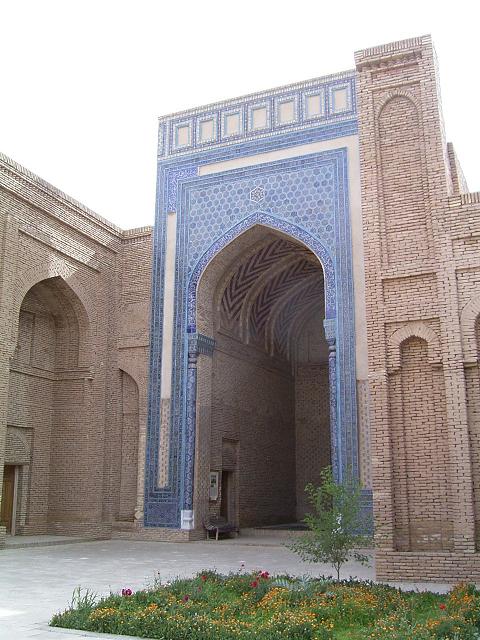
The whole country shows Islamic Uzbekistan. Termez shows what was there a thousand years before it — Buddhist monks on the bank of the Amu Darya. The country's southernmost city, right at the border with Afghanistan, where Buddhism, Hellenism and Islam converge.
Samarkand is Islam at its peak. Kampyr-Tepe near Termez is Alexander the Great at the edge of the world. A second day in the south shows that here, on one land, it was not centuries but whole civilisations that succeeded one another.
Ten days is the trip a week wishes it were. The difference isn't one more city — it's that the fourth city, Khiva, changes the shape of the whole journey. You stop collecting monuments and start travelling backward through time.
Two weeks is where Uzbekistan stops being a Silk Road highlights reel and becomes a country. The famous cities take ten days. The remaining four decide whether you saw the postcard — or the place behind it.
Three days is barely a trip — which is exactly why it can be a great one. The travelers who try to see the whole country in 72 hours remember a blur. The ones who pick a single city remember everything.
Five days is the first length that feels like a journey rather than a visit. It's exactly enough for the two cities that matter most — and exactly not enough for a third, which is why it works so well.
A week is exactly enough to misjudge this country — or to fall for it. The difference is whether you treat the railway as a way to collect cities, or as a way to slow down. Here's the version that works.
Uzbekistan in the mind is desert and domes. But the country is framed on the east and south by real mountains: snow-capped Tian Shan peaks, turquoise lakes, gorges with waterfalls. Another Uzbekistan — two hours from the capital.
The Silk Road cities are the country's face. Its character lives elsewhere — in mountain villages where you bake bread in a clay oven, in canyons scratched with 6,000-year-old drawings, in fortresses the desert has been swallowing for two thousand years. Past the famous domes, Uzbekistan stops performing and starts confiding.
A few years ago this country was a logistical puzzle. Today you can land in Tashkent without a visa, board a 250 km/h train, and stand under a 600-year-old dome by lunch. The hard part is no longer getting in — it's deciding what to leave out.
Samarkand is the name everyone arrives knowing. The interesting question is the one they ask once they're hooked: what else? The answer is a whole country — and the order you take it in matters more than the list itself.
The honest answer to "where should I go" is shorter than most guides admit. Three names do almost all the work. The skill of a first trip isn't finding more places — it's having the nerve to leave most of them for next time.
Major cities, desert and the Ferghana Valley in fourteen days. Less than a square kilometre of clay streets, minarets and madrasahs — and yet the first…
A full-screen interactive Silk Road map with present-day countries, key cities and caravan branches in one focused workspace.
Two days for Registan, Shah-i-Zinda and the living city between them. Three madrasas, two centuries between them, and one tiger that was never supposed…
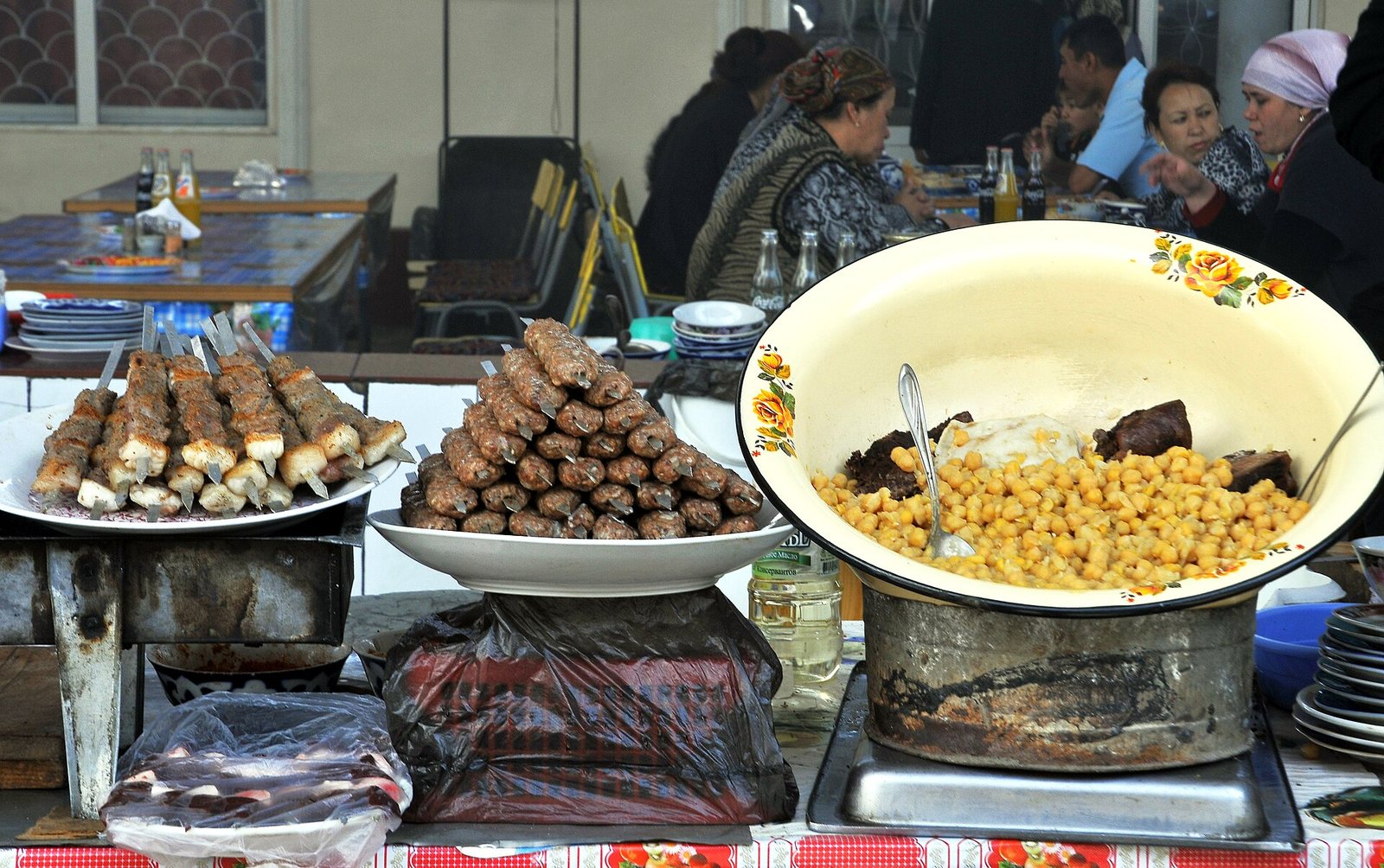
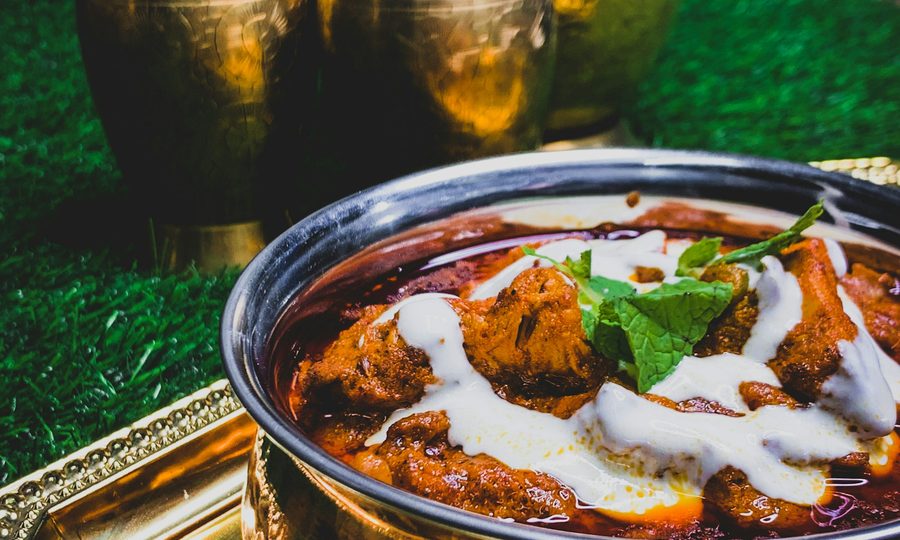
Plov, bread, bazaars and teahouses across four regions. Tashkent's main bazaar trades at the same crossroads it did a thousand years ago — but under a…
Valley loops, desert fortresses, day trips and the transfers that hold an itinerary together.

Amirsoy in summer: whether it is worth visiting without skiing, mountain views, cable car, weather, route from Tashkent and travel tips.

Charvak Reservoir near Tashkent: how to get there, beaches, views, mountains, season, water activities and practical advice for travelers.

Ferghana Valley in 3 days: route from Tashkent through Kokand, Rishtan, Fergana, Margilan and Andijan, with crafts and transport tips.

Ferghana Valley independently: how to move between Kokand, Rishtan, Fergana, Margilan and Andijan, where to base yourself and how to plan workshops.

Ferghana Valley route: Fergana, Margilan, Rishtan, Kokand and Andijan, crafts, silk, ceramics, transport, timing and travel logic.

Glamping and eco-resorts in Uzbekistan: Amirsoy, Chimgan, Charvak, Zaamin, desert yurt camps and how to choose nature-based stays.

How to get from Samarkand to Khiva in 2026: train, route via Bukhara, flight through Urgench, private transfer and best option for tourists.

How to get from Tashkent to Bukhara in 2026: Afrosiyob, regular train, night train, flight, taxi, travel time and best option for tourists.

How to get from Tashkent to the Ferghana Valley: train, car, taxi, Kamchik Pass, Kokand, Fergana, Margilan and Andijan.

Khorezm fortresses from Khiva: Toprak-Kala, Ayaz-Kala, Kyzyl-Kala and other desert castles, route logic, transport, timing and practical tips.

Samarkand to Shakhrisabz as a day trip: how to go, what to see, how long it takes, road conditions, Ak-Saray and honest pros and cons.

How to get from Urgench Airport to Khiva in 2026: distance, travel time, taxi, hotel transfer, late arrivals, cash and Itchan Kala drop-off points.

Zaamin National Park: how to go, what to see, best season, mountain air, walking routes, who it suits and how to include Zaamin in Uzbekistan travel.
Ready-made itineraries, transfers and nature extensions now sit in one route desk.

How to travel Uzbekistan independently: how many days you need, the Tashkent–Samarkand–Bukhara–Khiva route, trains, visas, money, safety and when to go.

Where to go in Uzbekistan on a first trip: which cities are essential, which to skip, and how to choose between Samarkand, Bukhara, Khiva and the rest.

A 7-day Uzbekistan itinerary for first-timers: Tashkent, Samarkand and Bukhara, day by day, with trains, where to base yourself and what to skip.

The golden triangle of Uzbekistan in 2026: the classic circular route Tashkent - Samarkand - Bukhara - Khiva.

A 10-day Uzbekistan itinerary covering the full Silk Road quartet - Tashkent, Samarkand, Bukhara and Khiva - day by day, with trains, the western leg.

A 14-day Uzbekistan itinerary: the four Silk Road cities plus the Fergana Valley, the Kyzylkum desert and the Aral Sea.

What to see in Tashkent in one day in 2026: a route for a layover or short stay - Hazrati Imam, Chorsu Bazaar, the metro-museum, plov and Soviet modernism.

Samarkand in one day in 2026: a considered walking route through the Registan, Gur-e-Amir, Bibi-Khanym and Shah-i-Zinda, what order to walk them, where.

Bukhara in one day in 2026: a walking route through the old town - the Samanid Mausoleum, the Ark fortress, the Poi-Kalyan ensemble, the trading domes.

Khiva in one day in 2026: a walking route through Itchan Kala - Kalta Minor, the Juma Mosque, Kunya-Ark, Tash-Hauli and the Pahlavan Mahmud mausoleum.

How to get from Tashkent to Samarkand in 2026: the Afrosiyob train in 2 hours, the Sharq backup, taxis, and why flying makes no sense.

How to get from Samarkand to Bukhara in 2026: the Afrosiyob train in under two hours, the Sharq backup, taxis and the options compared.

How to get from Bukhara to Khiva in 2026: the overnight train across the Kyzylkum desert, the new Jaloliddin Manguberdi high-speed line, private car for.

The mountains of Uzbekistan in 2026: an overview of the mountain areas - Chimgan and Charvak near Tashkent, the Nurata mountains and Aydarkul in the.

Uzbekistan off the beaten path: the desert fortresses, mountain villages, petroglyph canyons and remote corners beyond Samarkand and Bukhara.

The Aral Sea in 2026: how to get from Nukus to Muynak and the ship cemetery, whether to go to the shore itself, what to see on the way and how to organise.
A route is not a schedule.
It is a line drawn between wonders.