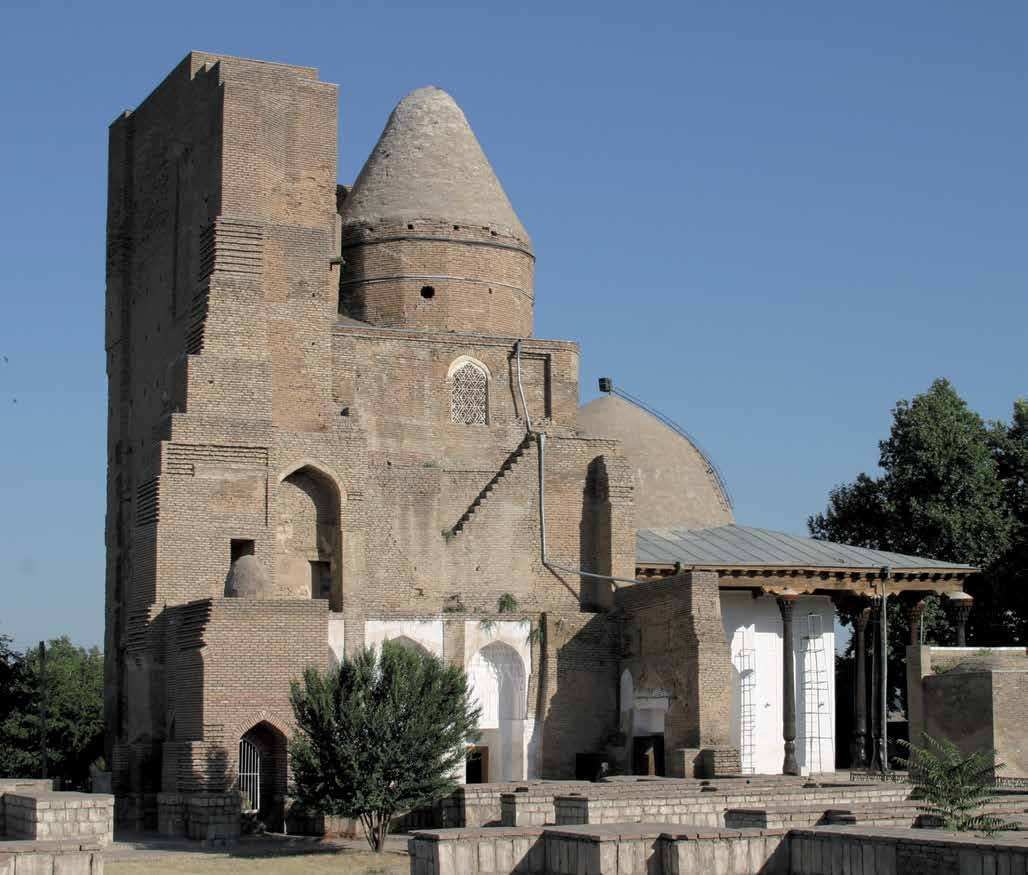
Among the monuments of Shakhrisabz there's one whose story moves more than the others. Dorus-Saodat is a memorial quarter born of Amir Timur's personal grief. Here a father's sorrow for a dead son met the great ruler's own design for his place of final rest. But it's with this place that one of the most famous "unfulfilled" stories of the Timurid era is connected: Timur prepared a tomb for himself here — and was buried somewhere else entirely.
What is Dorus-Saodat?
The reason for its construction was personal grief. Dorus-Saodat is a place where power and family tragedy merged into one: the fearsome conqueror, before whom half of Asia trembled, appears here above all as a father who lost a son. This human note sets Dorus-Saodat apart from the triumphant Ak-Saray.
Whom is the mausoleum dedicated to?
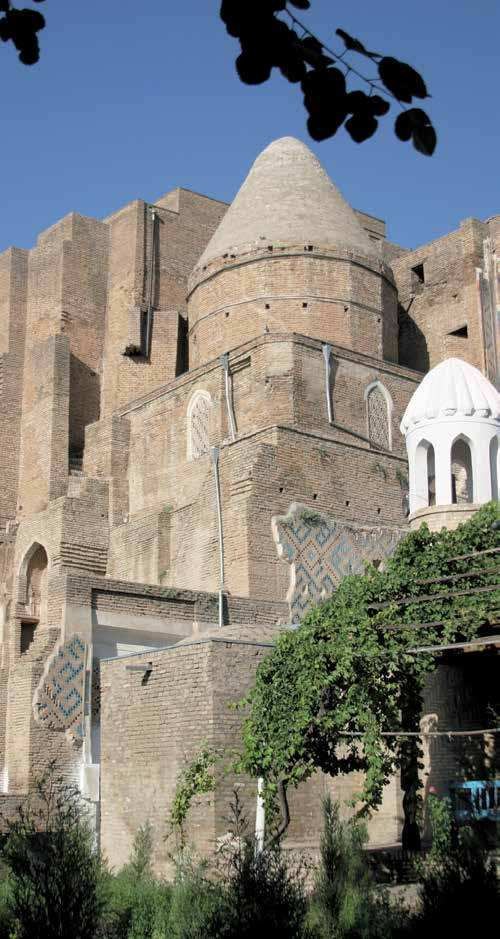
After the deaths of his sons, Timur ordered commemorative rites to be held here regularly. So Dorus-Saodat became a family tomb and a place of memory for the heirs who were not destined to outlive their father. In this lies the bitter irony of the great conqueror's fate: having built an empire, he outlived those to whom he meant to pass it on.
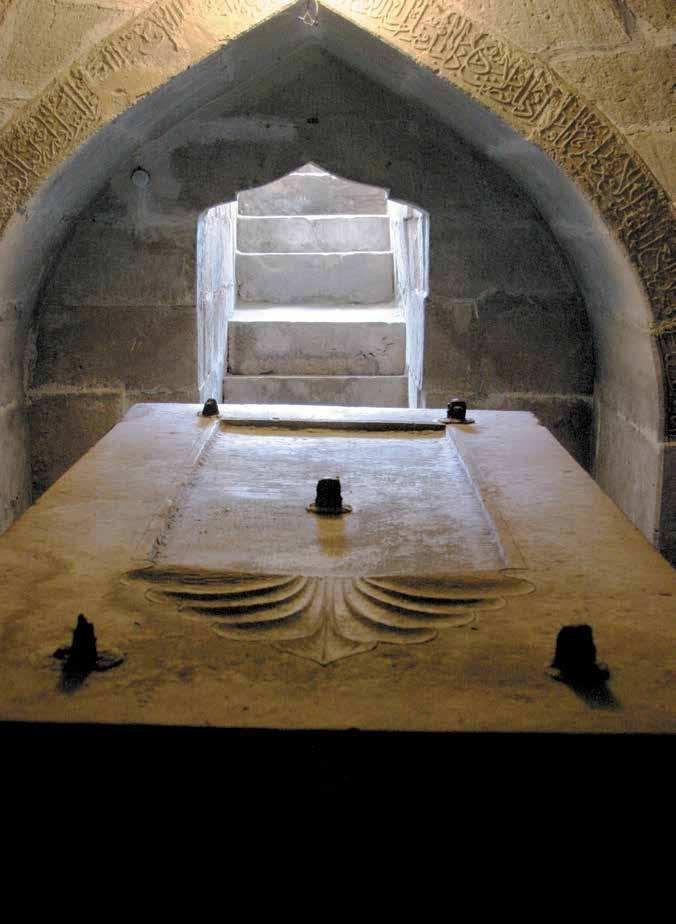
What is this empty crypt here?
Inside the crypt, a spare finish survives and an Arabic inscription conveying the thought that a wise person can draw benefit from any situation, while a fool depends on the actions of others. The contrast between the modesty of this chamber and the grandeur of Ak-Saray is striking: one and the same man built both a palace meant to eclipse an empire and a cramped crypt for the meeting with death.
Timur prepared a crypt for himself in his home city — but history laid him in Samarkand, in a tomb not designed for him.
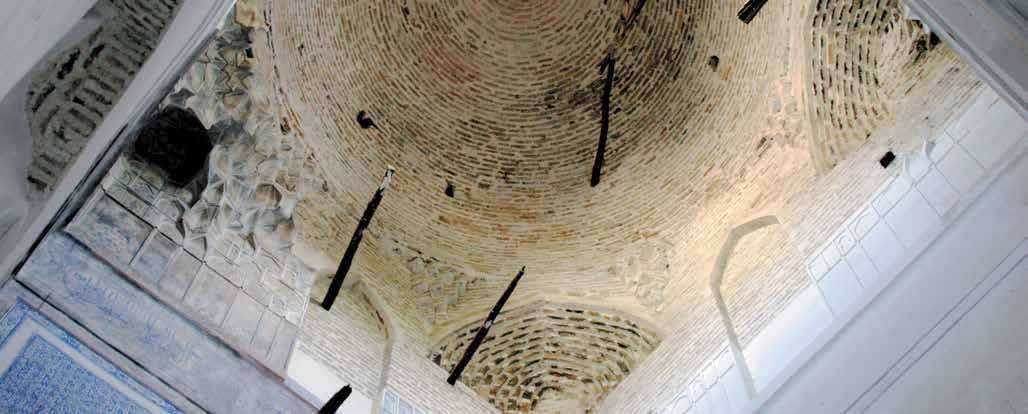
Why was Timur buried elsewhere?
In the end the Gur-e-Amir in Samarkand became the family tomb of the Timurids, where Timur's descendants, including Ulugh Beg, rest beside him. And the prepared crypt in Shakhrisabz remained a mute witness to an unfulfilled wish — one of those details that make Timur's story humanly rounded.
What do you feel in this place?
For the traveler, Dorus-Saodat is the emotional center of Shakhrisabz, complementing the monumental Ak-Saray and the contemplative Dorut-Tilovat. Together they form a full portrait of a Timurid city: might, faith and memory. It's exactly such places that turn a trip from a tour of "sights" into a real encounter with history.
How do you get to Dorus-Saodat?
Twenty to thirty minutes is enough to see Dorus-Saodat, including the descent into the underground crypt. It's best to combine it with Ak-Saray and Dorut-Tilovat in a single walk through Timurid Shakhrisabz — that's how a whole story of one city and one dynasty comes together, told through three very different places in mood.
Frequently asked questions about Dorus-Saodat
What is Dorus-Saodat?
A memorial complex in Shakhrisabz that Amir Timur began building after the death of his son Jahangir in 1376. The name is translated as "Seat of Power" or "House of Might."
Who is buried here?
Timur's sons — Jahangir (for whom the memorial was created) and Umar-Sheikh. Timur himself is not buried here.
Is it true Timur prepared a crypt for himself here?
Yes, by tradition a surviving underground crypt behind the complex was prepared by Timur for himself, wishing to be buried in his home city. The crypt remained empty.
Why was Timur buried not in Shakhrisabz?
After his death in 1405 he was buried in Samarkand, in the Gur-e-Amir mausoleum. By the common account, the circumstances of his death on a winter campaign prevented it.
So where is Amir Timur buried?
In Samarkand, in the Gur-e-Amir mausoleum — the family tomb of the Timurids, where his descendants, including Ulugh Beg, rest beside him.
How do you get there?
Dorus-Saodat is in the center of Shakhrisabz, next to Dorut-Tilovat. People usually come to the city from Samarkand — about an hour and a half over the pass.
Want to see Uzbekistan the way the people who live here see it?
Become a Kvazar Explorer →