Ask the internet what a trip to Uzbekistan costs, and you'll get a table of someone else's receipts, in a currency you don't use, converted at a rate that no longer exists. The numbers aren't lying; they're answering the wrong question. Uzbekistan is a country where the som floats, cash rules, and the largest expenses hide where you don't look for them. This guide won't hand you a single final figure — it shows what the figure is made of, where you'll overpay out of ignorance, and why "cheap" and "budget" aren't the same thing here.
What's expensive and what's cheap in Uzbekistan?
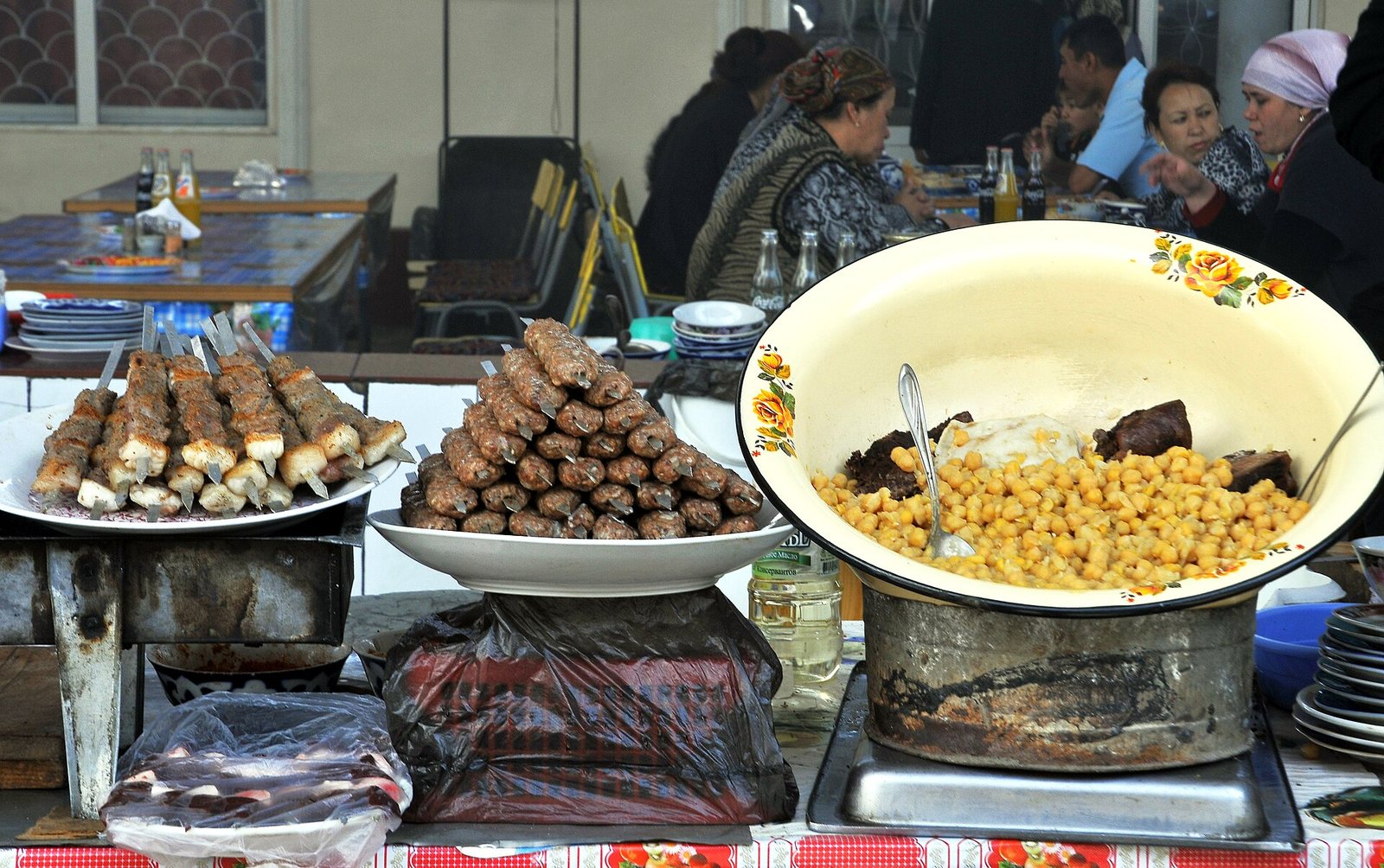
This is the distortion to fix first. A plate of plov, a metro ride, a ticket into a madrasah — these are sums that make a visitor from an expensive city smile, and they shape the first impression that the country is "almost free." But a whole trip is built from other bricks: the international flight, hotel nights, and moving between cities. Saving on lunch feels good but barely moves the total; the real spread is set by how you sleep and how you travel. We've laid out the practical groundwork for getting around in the transport guide.
Living day to day in Uzbekistan is cheap. Getting there and moving around is what costs. The budget is decided not at the table, but at the station and the airport.
How much do you spend per day?
We deliberately don't quote sums in som: the rate against the dollar shifts constantly, and any figure ages faster than your flight lands. It's more useful to hold the structure in mind. The everyday basket — food, city transport, monument entry — stays low and predictable. The variable basket — hotel and intercity transfers — is what swings the total two- or threefold. If you want an exact grid by trip length, we've broken it down in "Uzbekistan on a Budget" and "How Many Days You Need".
What do flights and internal transfers cost?
The logic is simple: you reach Uzbekistan expensively and once, then move within it cheaply and often. The high-speed network makes intercity hops fast; in 2026 it gained a new high-speed line, "Jaloliddin Manguberdi," widening the comfortable connections. Tickets on popular routes sell out ahead, so book weeks in advance — less a question of price than of seat availability. A flight between far-apart points sometimes beats the train on time but loses on experience. All the options and fine print are in the transport guide.
What costs in Uzbekistan stay hidden?
This is the part calculators don't show. ATMs charge a percentage to withdraw on a foreign card, and there's no fixed fee-free network — it pays to withdraw less often and in larger amounts. Some places add an acquiring surcharge for card payment; they'll usually name it if you ask. In a bazaar or an app-less taxi, settle the price before, not after — not because of dishonesty, but because "we'll sort it out" easily becomes rounding in someone else's favour. The basics of exchange and withdrawal are in our money guide (Atlas section), and payment is covered just below.
Cash or card: what does the budget run on?
The practical setup: keep your main amount in som for everyday spending, and the card for hotels, museums and large purchases where a terminal works. Clean dollar bills are easy to exchange locally; you can also withdraw som from reliable bank ATMs, bearing the fee in mind. We dig into "do cards work" in a dedicated cards guide, and connectivity — without which taxi apps don't function — in the internet and SIM guide.
How to save without it feeling like survival?
Saving in Uzbekistan is rarely about going without — more often it's about the order of operations. Withdraw cash less often and in larger amounts, so you pay the fee once, not five times. Eat where locals eat: a teahouse and a bazaar give you the best experience and the best price at once, so it isn't a sacrifice. On transfers, pick the class for the task, not out of habit — a simpler carriage on the same high-speed train sometimes shifts the price more than you'd think. Book train tickets early: it's about seats, but also about peace of mind. And spend in som, not foreign currency, fixing your budget in dollars before the trip — that way the rate works for you, not against you. For a day-by-day build, see "Uzbekistan on a Budget".
Common questions about trip budget
Is Uzbekistan an expensive country for tourists?
No, by global standards it's an inexpensive destination. Food, city transport and entry tickets cost little. Only the international flight, upper-tier lodging and the higher classes of high-speed trains feel pricey — that is, international and premium items, not local everyday life.
Why don't you give exact prices in som?
Because the som is a free-floating currency, and its rate against the dollar moves noticeably across the year. A som figure that's accurate today misleads months later. It's more useful to know the structure of spending and relative reference points, and to check the live rate on the day you exchange.
Where does most of the money actually go?
On three things: the international flight into Uzbekistan, hotel nights, and intercity transfers in comfortable classes. The food and sights travellers fear overpaying for barely affect the total. The budget is decided at the station and the airport, not at the lunch table.
How much money should I bring?
Set your budget in your home currency before the trip, and on the ground keep your main amount in som. An exact figure can't be named because of the rate, so plan a buffer rather than a round sum, and remember ATM fees — it's cheaper to withdraw less often and in larger amounts. More in our money guide.
Can I save without ruining the trip?
Yes, and with almost no sacrifice. Eat where locals eat, withdraw cash less often and in larger amounts, choose the train class for the task, and book tickets early. These choices cut costs without turning the trip into survival, because the best of Uzbekistan — its food, cities and people — is inexpensive anyway.
Want to see Uzbekistan the way the people who live here see it?
Become a Kvazar Explorer →