
Seven days is the most-searched length for an Uzbekistan trip, and also the most-botched. The temptation is to cram in everything — five cities, the desert, a valley — and end up remembering a blur of blue tiles and train platforms. The route below does the opposite. It commits to three places, lets the high-speed railway erase the travel time, and leaves room for the thing people actually come back talking about: the hours that weren't on the schedule.
What does the 7-day route look like?
The logic is deliberate. Tashkent is the gateway, not the destination — useful for arrival, museums and a first meal, but not worth more than a day on a short trip. Samarkand delivers the postcard moments. Bukhara, given the most time, is where many travelers quietly decide the trip was worth it. The railway makes the whole thing frictionless: you're never on a train for more than four hours, and usually far less.
A week here isn't short. It's just unforgiving of indecision — the cities you half-visit are the ones you forget.
Day 1 — Tashkent: arrival and a soft landing
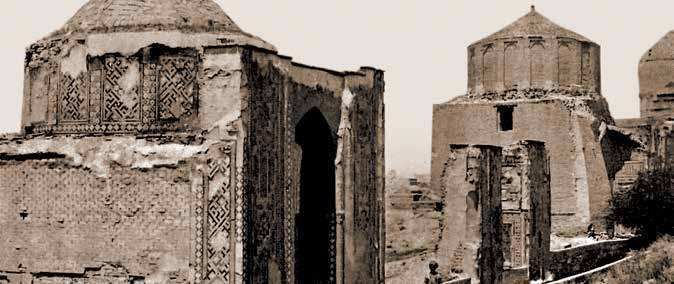
Tashkent is a 20th-century city rebuilt after the 1966 earthquake, so it feels broad and modern in a way that surprises people expecting only old domes. That contrast is the point: it's the right place to land before you travel back through time. Don't over-plan day one. Walk Chorsu Bazaar, see Hazrati Imam, ride a few of the metro's grandest stations, and call it a day. The full city is covered in our Tashkent guide.
Days 2–3 — Samarkand: the grand opening
Samarkand is the city people picture when they picture Uzbekistan, and two days is the sweet spot — enough to see the essentials without turning them into a checklist. Start at the Registan early, before the heat and crowds. Shah-i-Zinda is best in the soft morning light. Leave the second day looser: the often-skipped observatory of Ulugh Beg rewards anyone curious about how a medieval ruler measured the sky, and an evening return to a lit Registan is the image you'll keep. Everything is in the Samarkand guide.
Days 4–6 — Bukhara: the slow heart of the trip
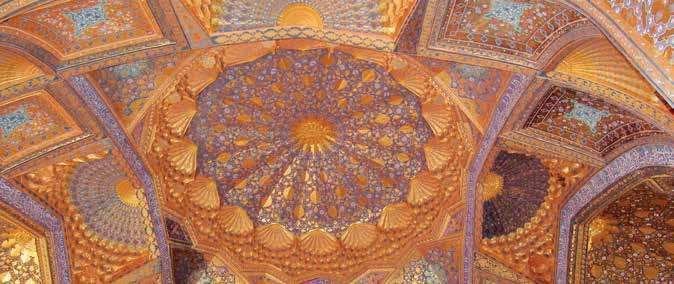
Where Samarkand overwhelms, Bukhara absorbs. Its old town is a continuous medieval fabric you can cross on foot, which is exactly why it deserves the most time — not for more monuments, but for fewer, seen slowly. Read the Poi-Kalon ensemble properly, browse the trading domes without buying anything on the first pass, and end a day at Lyab-i-Hauz as the locals do. The half-day surplus is intentional: use it for the Samanid mausoleum or a craft workshop, or just for nothing. The full city is in the Bukhara guide.
Day 7 — return to Tashkent and fly out
The return leg is long but painless, and the timing usually works: a morning departure from Bukhara puts you in Tashkent with the afternoon free. If you'd rather not double back, an alternative is to fly Bukhara–Tashkent, though the train is simpler for a single bag and a relaxed pace. This is also the moment to confirm you've kept all your hotel registration slips for the exit check.
Can you add Khiva to a 7-day trip?
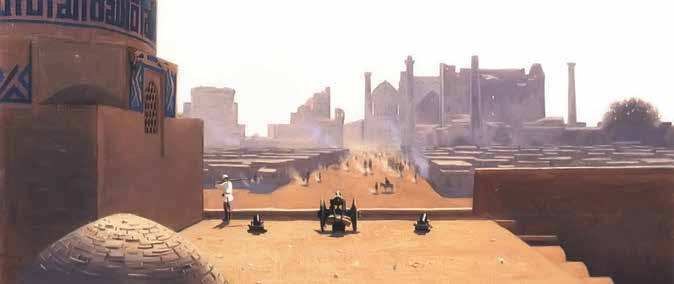
This is the single most common 7-day mistake. Khiva is wonderful, but it's a 1,000-kilometer detour from the Samarkand–Bukhara core, and squeezing it in means experiencing the whole trip through a train window. The honest move is to leave it out and come back, or to plan the 10-day route from the start. If the new Hyundai-built high-speed service is running by your travel dates, the calculation could change — confirm current schedules before you decide.
Practical tips for the 7-day route
- Book trains first. Lock in the three Afrosiyob legs before hotels; they sell out, hotels don't.
- Base near the old towns. In each city, stay within walking distance of the historic core to reclaim hours otherwise lost to taxis.
- Front-load the heat. See major outdoor sites in the morning; rest at midday in summer.
- Keep registration slips. Every hotel gives one; you'll need them when you leave.
- Install Yandex Go. It handles all in-city taxis without haggling — but needs a local SIM or eSIM.
Frequently asked questions about a 7-day Uzbekistan trip
Is 7 days enough for Uzbekistan?
Yes, for the three core cities — Tashkent, Samarkand and Bukhara — done at a reasonable pace. It's not enough to add Khiva or the Fergana Valley without rushing. A week gives you a real, satisfying first trip; ten days gives you the full Silk Road quartet.
Should I start in Tashkent or fly straight to Samarkand?
Most international flights land in Tashkent, so starting there is natural and gives you a soft first day. Samarkand has its own airport with some international connections, so flying in directly is possible and saves a day — worth checking if your route allows it.
How much time should I give each city?
One day for Tashkent, two for Samarkand, and the most — around two-and-a-half — for Bukhara. The instinct to give Samarkand the most time is common but slightly off: Samarkand's highlights are concentrated, while Bukhara rewards unhurried wandering.
Can I do this route in reverse?
Yes. Flying into Tashkent and out of Bukhara (or vice versa) avoids the return leg entirely. The cities work in either order, though west-to-east means ending in the modern capital rather than a medieval old town — a quieter finish.
Do I need a guide for this itinerary?
No. The route is built around trains and walkable old towns, all manageable independently. Hiring a local guide for a half-day in Samarkand or Bukhara can deepen the experience, but it's optional, not required.
Want to see Uzbekistan the way the people who live here see it?
Become a Kvazar Explorer →