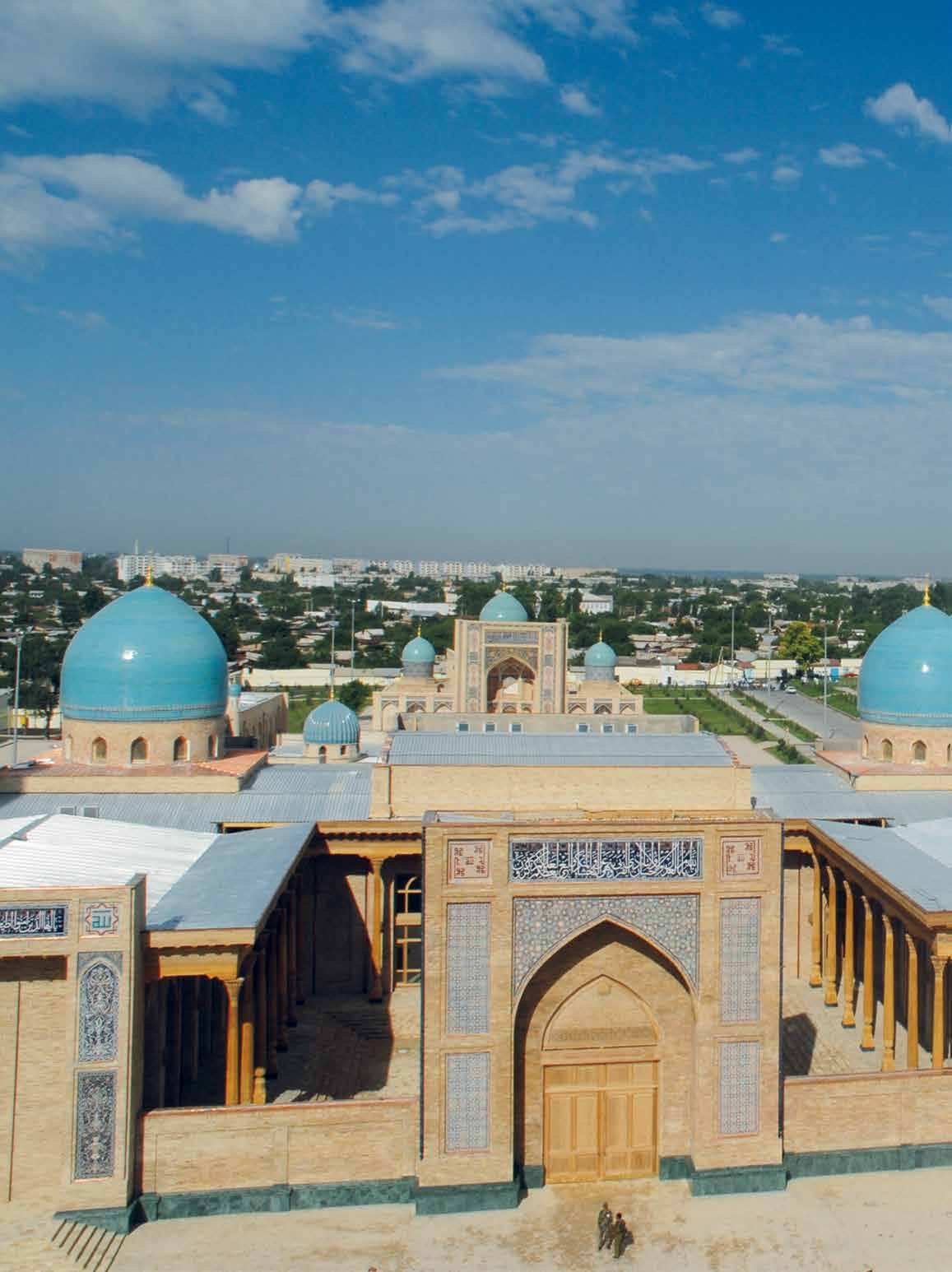
Termez is the southernmost point of Uzbekistan, right on the border with Afghanistan along the Amu Darya river. It's one of the oldest cities in Central Asia, and its main feature is that it preserves the memory of the pre-Islamic era, when Buddhism flourished here on the Silk Road. Long before the region became Muslim, Buddhism passed through Termez from India onward — to China, Korea, Japan. This guide covers what has come down to us from that era and whether it's worth traveling so far south.
What makes Termez unique?
Termez breaks the familiar image of Uzbekistan as a country of minarets and tilework. Here the main thing isn't intact buildings but archaeology: burial mounds, excavated monasteries, the foundations of stupas. So the city is most honestly described as a destination for those who want to understand the depth of the region's history, not just see beautiful domes. It's "another Uzbekistan" — more ancient and more unexpected.
Why was there Buddhism in Termez?
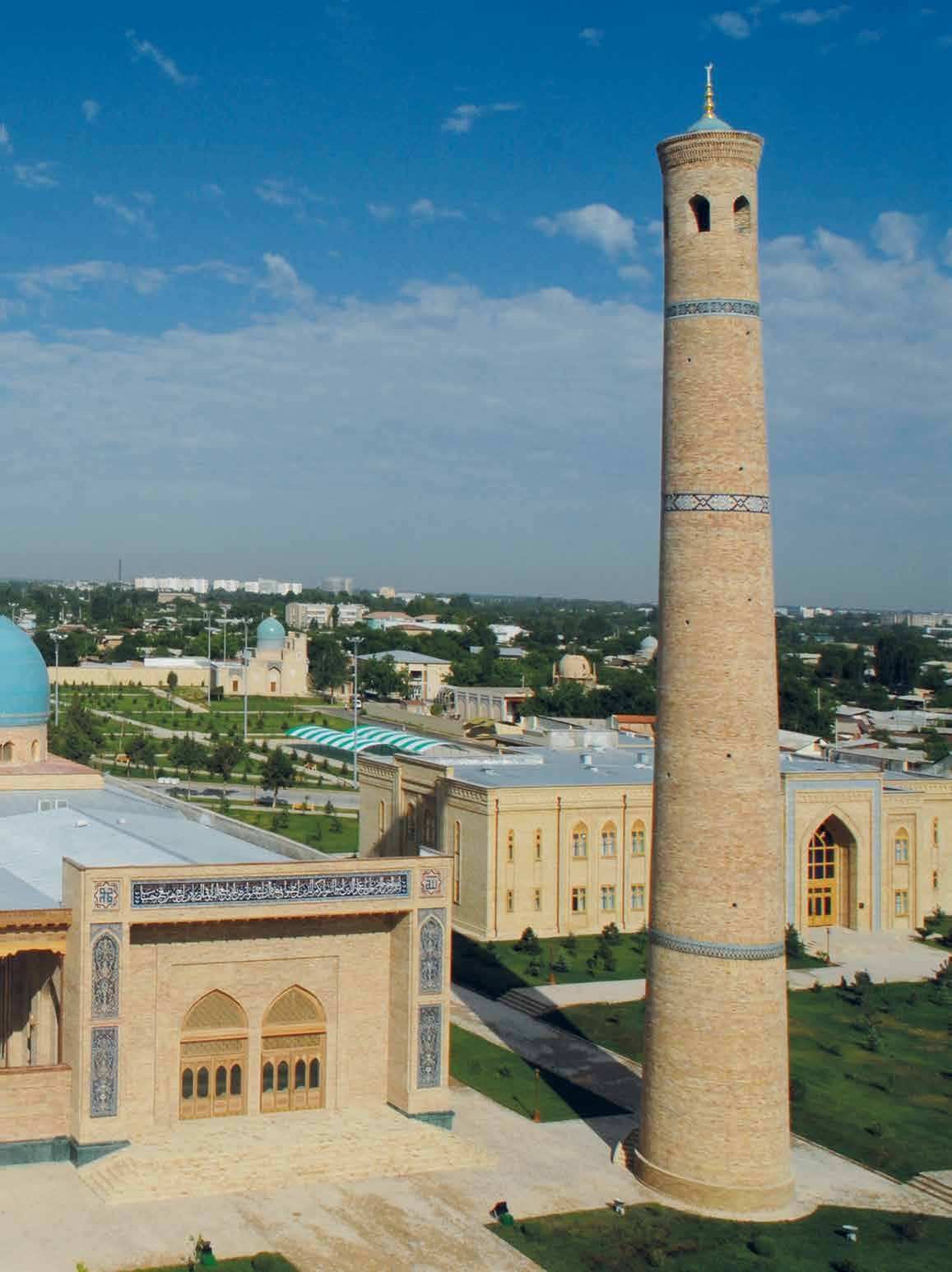
So Buddhism here isn't an exotic accident but a natural feature of a trade crossroads: along with goods, ideas and religions traveled the Silk Road. Termez was one of the nodes through which the teaching of the Buddha moved east. Archaeologists find here some of the oldest images of the Buddha in Central Asia — evidence that the region was a full-fledged center of Buddhist culture, not its periphery.
Along one and the same road, the Buddha came here first, and seven centuries later, Islam. Termez remembers both.
What are Fayaz-Tepa and Kara-Tepa?
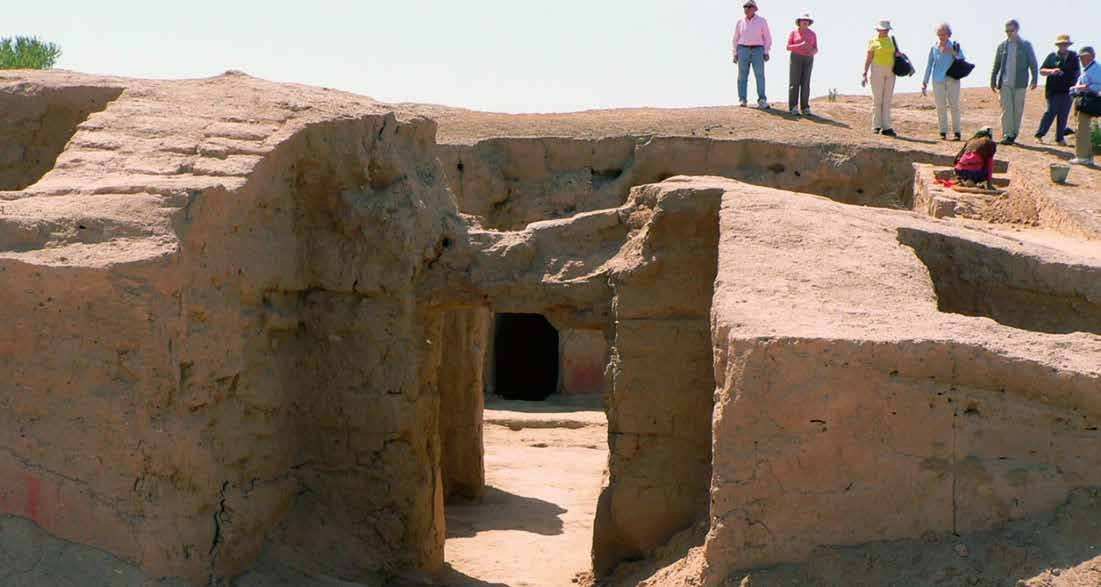
Fayaz-Tepa is located a few kilometers from the modern city, beside Old Termez, and gives a vivid sense of how a Buddhist monastery was arranged: living quarters, the ritual part, a refectory, a stupa. Kara-Tepa is more interesting for its "cave" character — the monks lived and prayed in cells carved into the hills. Nearby are the remains of the Zurmala stupa — a massive brick tower considered an ancient Buddhist monument. Together they form a rare archaeological landscape.
What Islamic heritage does Termez have?
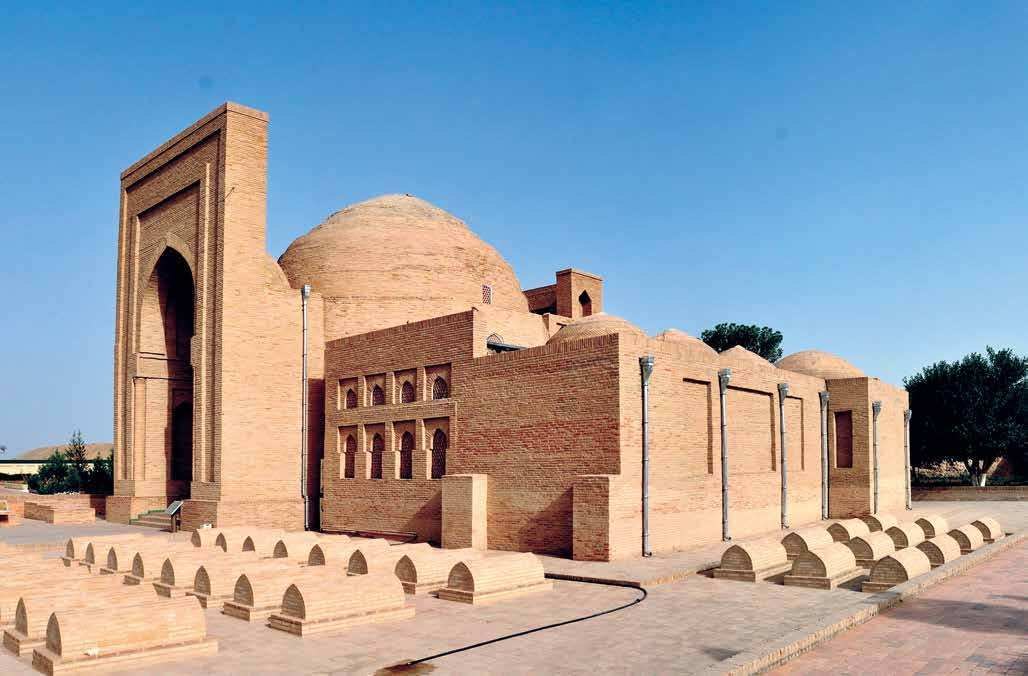
Al-Hakim at-Termizi is a figure who makes Termez a significant place for Muslim culture: his legacy in Sufism is known throughout the Islamic world, and the mausoleum remains a place of pilgrimage. Kyrk-Kyz ("Forty Girls") is a mysterious fortified structure surrounded by legends. These sites show that Termez is not "only about Buddhism" but a city of many historical layers.
What does it mean that Termez is a border city?
It's a place where countries and eras meet: on the other bank of the Amu Darya is Afghanistan, and underfoot is two thousand years of history. This sense of the "edge" is part of the impression Termez makes. But precisely because of its border status, people come here less often and more prepared: check the current rules and, if needed, take a local guide.
How much time do you need for Termez?
The local archaeology museum helps a great deal: it ties the scattered excavations into a single picture and shows finds no longer at the sites themselves. It's best to begin the trip there. Because of the remoteness and border status, allow extra time and plan the logistics in advance.
How do you get to Termez?
Since Termez doesn't lie on the "golden ring" of Samarkand–Bukhara–Khiva, it's rarely included in the standard route — and that's exactly why there are almost no tourist crowds here. It's a destination for a second or third trip to Uzbekistan, when you've already seen the classics and want depth. A flight there and back from Tashkent is the most practical option.
Frequently asked questions about Termez
What is Termez famous for?
It's the southernmost and one of the oldest cities of Uzbekistan, known for its Buddhist past: the Fayaz-Tepa and Kara-Tepa monasteries, the Zurmala stupa. From the Islamic heritage — the Al-Hakim at-Termizi mausoleum and the Kyrk-Kyz fortress.
Why was there Buddhism in Uzbekistan?
Termez stood on the Silk Road, along which Buddhism traveled from India to China and beyond at the beginning of our era. Under the Kushan Empire the region was a center of Buddhist culture; with the arrival of Islam in the 8th–9th centuries the centers declined.
What should you see of the Buddhist heritage?
The Fayaz-Tepa monastery with its temple and stupa, the cave-and-surface Kara-Tepa monastery in the sandstone hills, and the remains of the Zurmala stupa. These are archaeological monuments, not restored sites; the finds are kept in museums.
Is it hard to get to Termez?
The city is far to the south, and it's most convenient to fly from Tashkent. Because of its border location, it's worth checking in advance the rules for entering the border zone and the accessibility of sites.
Is Termez worth it for the ordinary tourist?
It's a destination for those interested in history and archaeology rather than ceremonial architecture. If it's your first time in Uzbekistan, it's more logical to start with Samarkand and Bukhara; Termez is for a deeper, second acquaintance with the country.
Want to see Uzbekistan the way the people who live here see it?
Become a Kvazar Explorer →