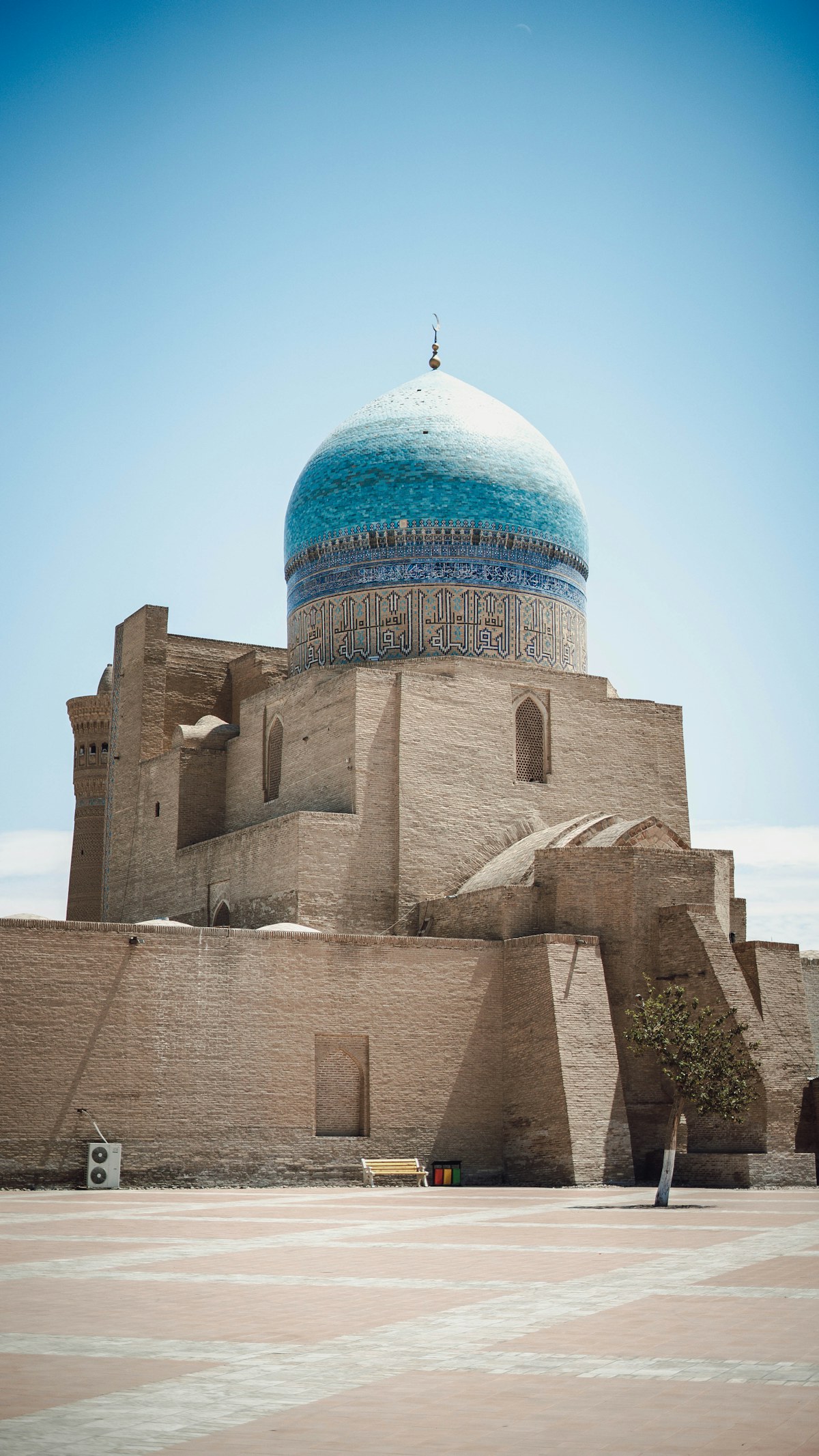
It's usual to think of the Silk Road as a caravan of camels plodding through the desert with bales of silk. That image is only partly true and hides a great deal. The Silk Road was not a line but a network; not a trade route but the circulatory system of a whole world; and not a Chinese project but the shared enterprise of dozens of peoples, among whom the inhabitants of Transoxiana — the lands between the Amu Darya and the Syr Darya, that is, present-day Uzbekistan — played one of the key roles. It was on this road that Samarkand, Bukhara and Khiva grew, and without it their history is inexplicable. This text is the starting point from which all the other Kvazar stories of culture and heritage branch out.
What is the Great Silk Road?
Understanding that the road was a network, not a single track, changes everything. Caravans rarely covered it whole: goods moved from market to market, passing from hand to hand and growing more expensive on each stretch. The intermediary cities standing on the hubs of this network grew rich not only on their own trade but on what they passed through themselves. It was in this role that the cities of Transoxiana flourished.
Where did the name "Silk Road" come from?
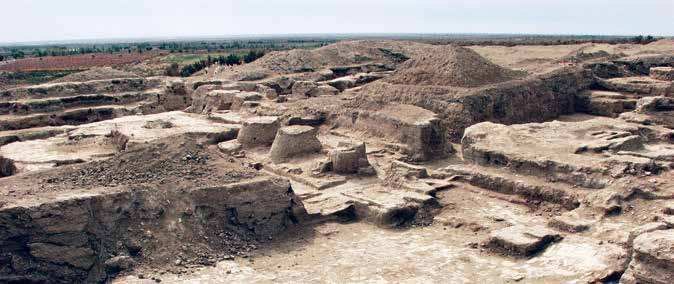
Silk was the ideal commodity for long-distance trade: light, costly, undamaged by a long journey. But to call the whole road "silk" is a simplification convenient for textbooks. For the people of the time these were simply trade roads along which everything valuable that one end of the world could offer the other traveled. Silk became a symbol, not the sole content.
What was really carried on the Silk Road?
That's exactly why the Silk Road is a story not about commerce but about the connectedness of civilizations. Paper came west from China through Samarkand, where, by tradition, its production was set up among the first places outside China. Religions and scientific ideas traveled both ways with merchants and pilgrims. The cities on the road became not just markets but cauldrons where cultures mixed.
Why did Uzbekistan become a hub of the Silk Road?
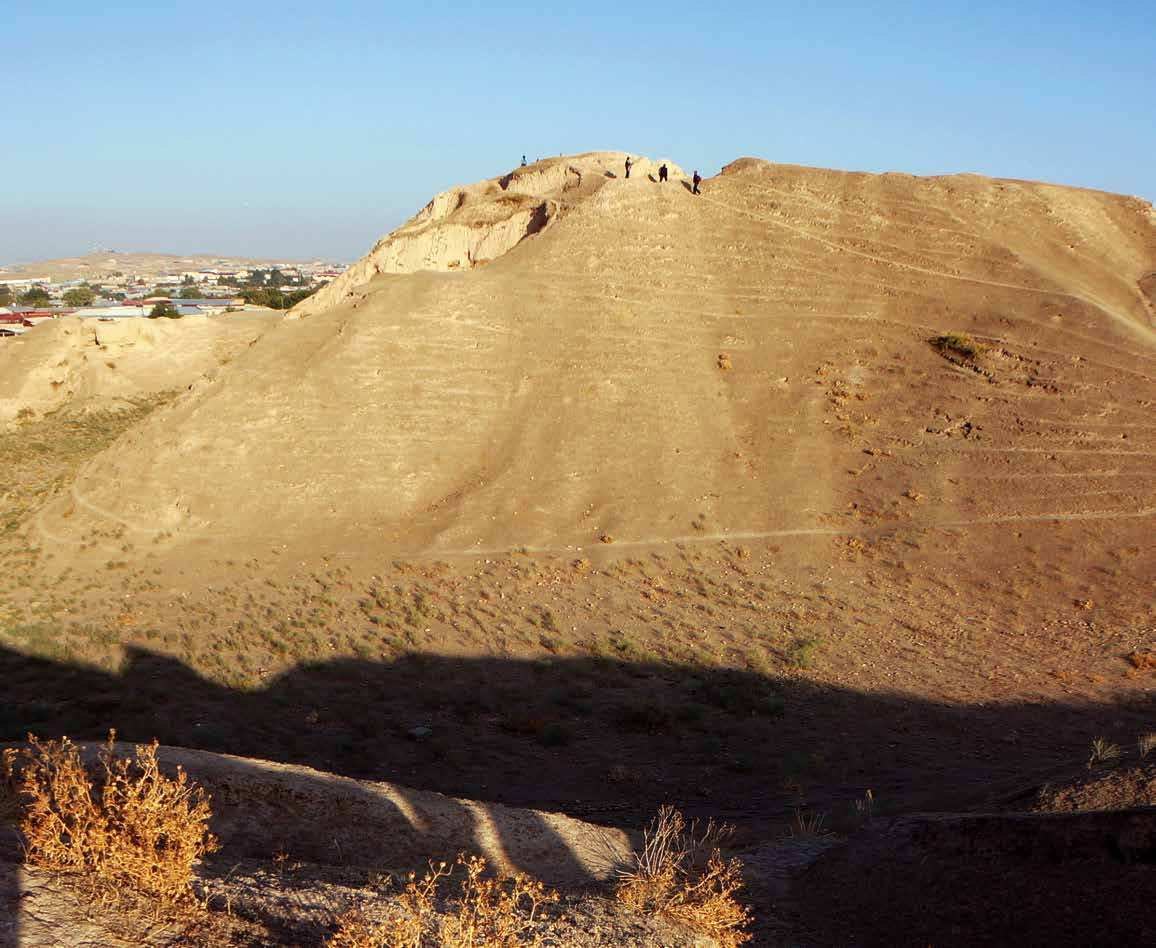
Geography here decided fate. The oases of Transoxiana were at once the warehouse, the market and the workshop of the road. Goods passed through them, and here part of the profit settled, turning into mosques, madrasas, palaces and observatories. That same strategic value brought armies here again and again — from Alexander the Great to the Arabs, the Mongols and Timur. The cities were destroyed and rebuilt more than once, but the road revived them each time.
Which cities were the main ones on the road?
| City | Role on the Silk Road |
|---|---|
| Samarkand | Center of trade, science and power; capital of Timur's empire |
| Bukhara | Spiritual and trading center, a city of madrasas and bazaars |
| Khiva | A city of crafts and markets on the edge of the Karakum desert |
| Tashkent | A hub where the trading, spiritual and cultural roles converged |
| Shakhrisabz | Timur's birthplace, a center of farming and caravan rest |
| Termez | The southern gateway, a crossroads of cultures and religions |
These cities are not stage scenery but living heirs of the road, and each deserves a conversation of its own. Their bazaars, caravanserais, squares and madrasas are the direct material trace of an era when half the world converged here. Kvazar has its own detailed guide to each city.
Why did the Silk Road decline?
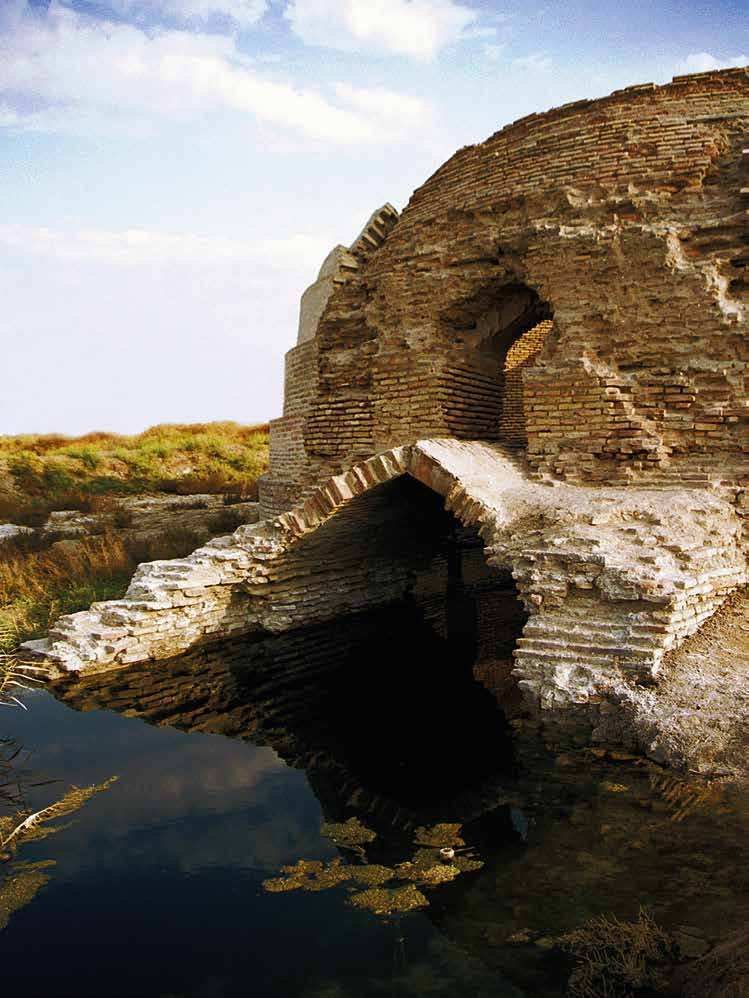
The decline wasn't instantaneous: trade was now interrupted by wars and the collapse of states, now revived for a few centuries. But the general logic was inexorable — the sea was beating the land. Paradoxically, it was this very decline that preserved the cities of Uzbekistan: deprived of the flow of trade, they stopped being rapidly rebuilt and kept the medieval appearance that today draws travelers from all over the world.
The Silk Road faded not because it grew poor, but because the world learned to sail.
What remains of the Silk Road today?
For a traveler this means a rare opportunity: to walk through the same cities as the merchants a thousand years ago, and to see architecture born of the road's wealth. The Silk Road is no longer a trade artery, but as a cultural phenomenon it's alive — in the crafts, in the cuisine, in the look of the cities and in the very idea of the crossroads of civilizations on which Uzbekistan stands. It's this living memory that Kvazar explores.
Frequently asked questions about the Silk Road
What is the Great Silk Road?
It's a network of caravan trade routes that linked China with Europe for more than 1,500 years (from the 2nd century BCE to the 15th century CE). Goods, technologies, religions and ideas traveled along it. Uzbekistan was one of its central hubs.
Why is it called that?
After its chief expensive commodity — silk, carried from China. The expression "Silk Road" itself appeared much later, in the 19th century. In fact a multitude of goods and ideas traveled the road, not only silk.
Which cities of Uzbekistan were on the Silk Road?
Samarkand, Bukhara, Khiva, Tashkent, Shakhrisabz and Termez. Samarkand was a center of trade and science, Bukhara a spiritual center, Khiva a city of crafts. Samarkand, Bukhara and Khiva are part of the UNESCO heritage.
What was carried on the Silk Road?
Silk, spices, precious stones, glass, paper, ceramics, horses and much more. But more important than goods was the exchange of ideas: religions, science, technologies (including paper) and art.
Why did the Silk Road disappear?
Because of the development of maritime trade routes in the 15th–16th centuries: transporting goods by sea became faster and cheaper than by caravan overland. Overland trade faded, and the intermediary cities lost their importance.
What remains of it today?
Uzbekistan has preserved the densest network of the road's historic cities. Samarkand, Bukhara and Khiva are UNESCO sites. In 1994 a declaration on the revival of the Silk Road was adopted in Samarkand.
Want to see Uzbekistan the way the people who live here see it?
Become a Kvazar Explorer →