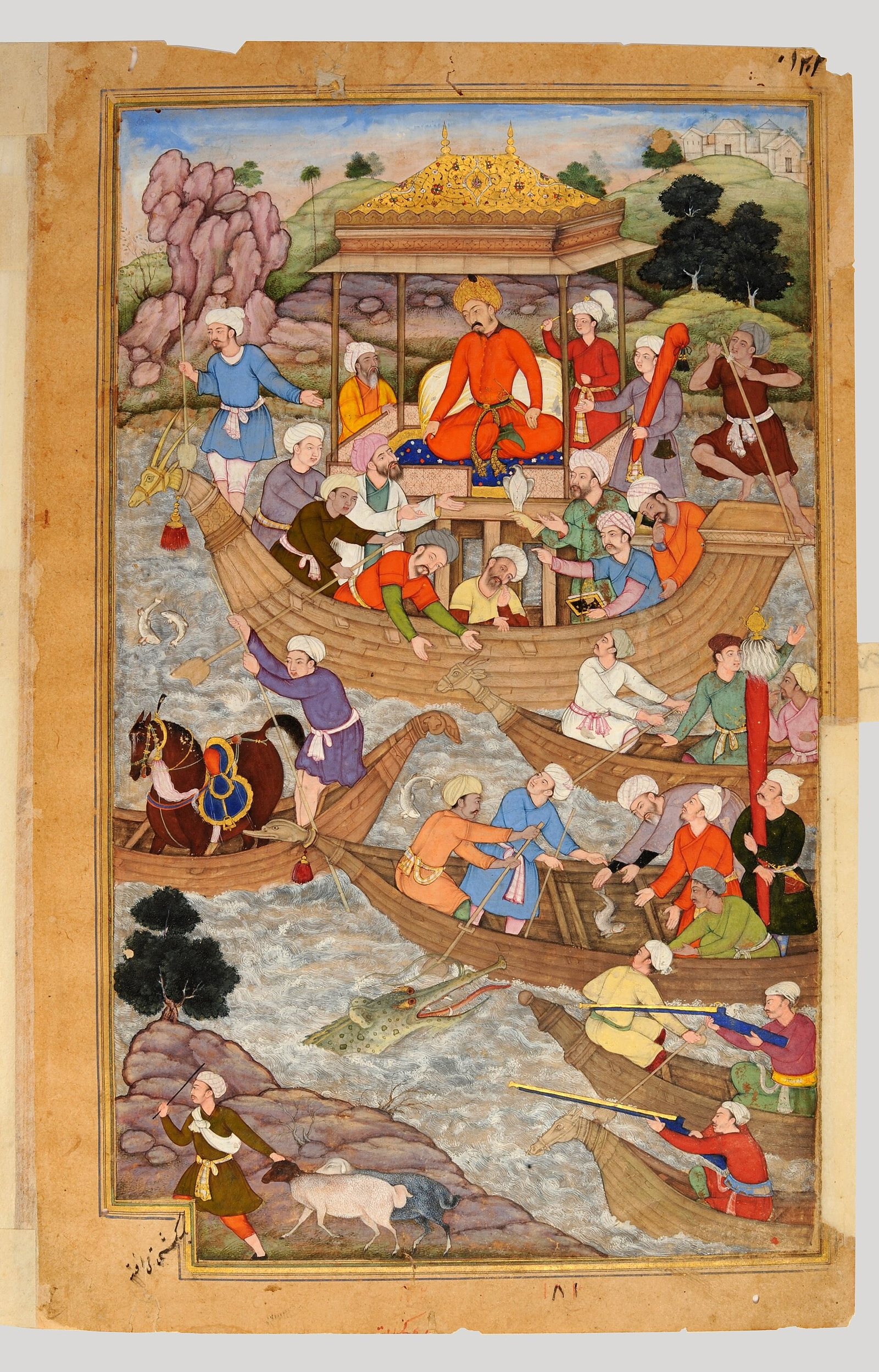
In Uzbek Andijan, in the Ferghana Valley, was born a man whose name is known better today in India than in his own homeland. Zahir ad-Din Muhammad Babur — the great-great-grandson of Timur, the last fragment of the brilliant Timurid era in Central Asia and at the same time the founder of an entirely new empire thousands of kilometers from home. His life is a story of loss and gain, told by himself in one of the most unusual books of his time. To understand how the heritage of Uzbekistan reached the Taj Mahal, you have to know the story of Babur.
Who was Babur?
The figure of Babur is important for understanding Uzbekistan in two senses at once. First, he's a direct heir of Timurid culture, a bearer of its refinement, language and taste. Second, his story shows how far the influence of Central Asia reached: the dynasty he founded brought to India an architecture, a garden art and an aesthetic whose roots lie in Samarkand and Herat.
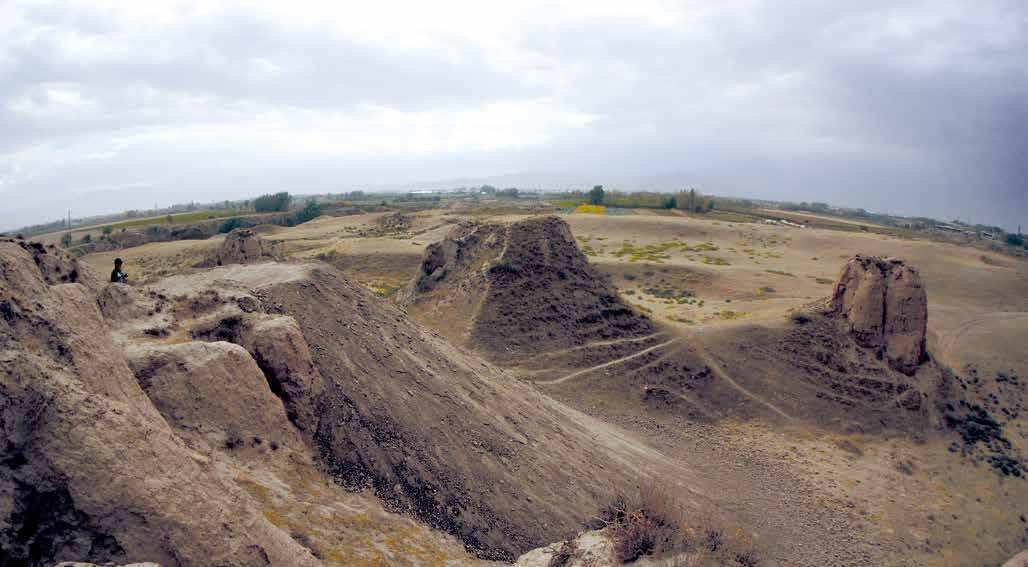
Where was Babur from?
This double descent shaped both his ambitions and his sense of right to power. From Timur he inherited the dream of empire and a love of culture; from the Genghisid line, the legitimacy of a ruler in the eyes of the nomadic world. Andijan and the Ferghana Valley — fertile, green, ringed by mountains — remained for Babur the image of a lost paradise, which he describes with warmth in his memoirs.
Why couldn't he hold on in Central Asia?
It was the sunset of a whole era: the brilliant Timurid culture in Central Asia was giving way to a new force. For the young Babur the loss of Samarkand was a personal tragedy — he dreamed of the city of his ancestors, but history turned out otherwise. It was precisely this defeat that, paradoxically, set him on the path that led to the founding of the greatest empire of his life.
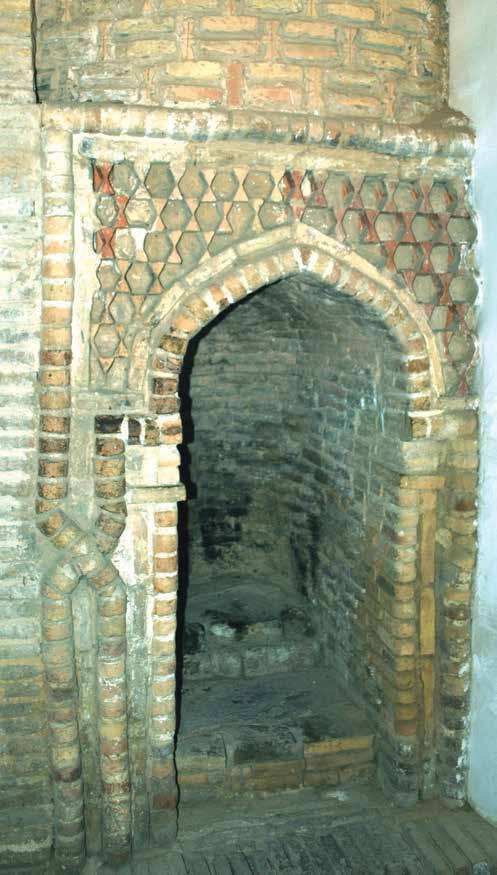
How did Babur end up in India?
The crossing of the mountains was not a flight but a regrouping. Kabul gave Babur a base and time, and the weakness of fragmented Northern India gave him an opportunity. His army was small but disciplined and armed with tactics and artillery new for the time. The victory at Panipat opened the Ganges valley before him and laid the start of an empire.
What is the Mughal Empire?
The connection with Uzbekistan here is direct: the Mughals brought to India a Central Asian and Persian aesthetic — the charbagh (four-part gardens), domes, iwans, tilework. Much of what today seems "Indian" is rooted in Samarkand, Herat and Bukhara. Babur became the bridge along which the culture of Transoxiana reached South Asia and transformed it for centuries.
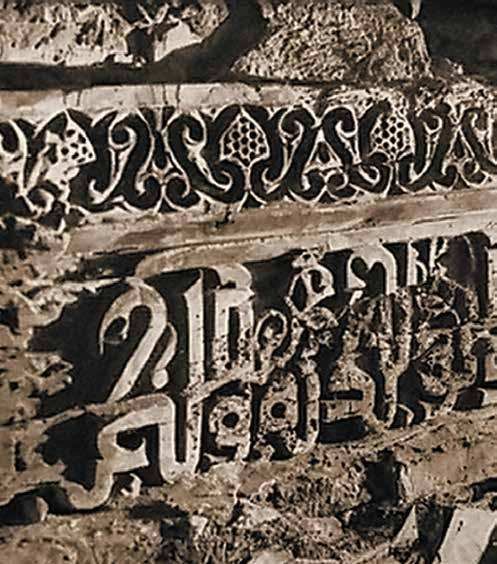
What is the "Babur-nama"?
The "Babur-nama" is unique in that the great conqueror appears in it as a living person — with doubts, observations, longing for his homeland and a love of poetry and nature. It's a rare view from within of an era and at the same time a literary monument of Turkic culture. For understanding Babur's personality and his world, this book is the main source.
Babur lost Samarkand but gained India — and lost his homeland to enter history as the founder of an empire.
What is Babur's legacy for Uzbekistan?
His fate shows that the heritage of Uzbekistan is not limited by its borders. A man born in a Ferghana city changed the history of a distant country and linked two cultures. For modern Uzbekistan, Babur is both a local hero and proof that the cultural influence of the region was truly continental.
Frequently asked questions about Babur
Who was Babur?
Zahir ad-Din Muhammad Babur (1483–1530) was a ruler, military commander and poet, born in Andijan. A descendant of Timur, founder of the Mughal Empire in India and author of the memoir "Babur-nama."
Where was Babur born?
In Andijan, in the Ferghana Valley on the territory of modern Uzbekistan, on February 14, 1483. He spent his childhood in Andijan and recalled Ferghana with tenderness all his life.
How was Babur related to Timur?
Babur was a descendant of Timur (Tamerlane) on his father's side — a great-great-grandson. On his mother's side he came from the line of the Genghisids.
What did Babur found?
The Mughal Empire in India. In 1526 he defeated the Delhi Sultanate at the Battle of Panipat and became ruler of Northern India. The empire lasted about three centuries.
What is the "Babur-nama"?
Babur's autobiographical memoir, written in the Turkic language. It's considered one of the finest examples of memoir prose of its time for the honesty, simplicity and authenticity of its style.
Why did Babur leave Central Asia?
He lost Samarkand three times and by 1504 had finally lost the struggle for power to the nomadic Uzbeks of Shaybani Khan. After that he went to Afghanistan and then to India.
Want to see Uzbekistan the way the people who live here see it?
Become a Kvazar Explorer →