Stories

People, history and cultural details that make Uzbekistan more than a list of monuments.

Tell me about the past

Choose one word

What are you after?

The past

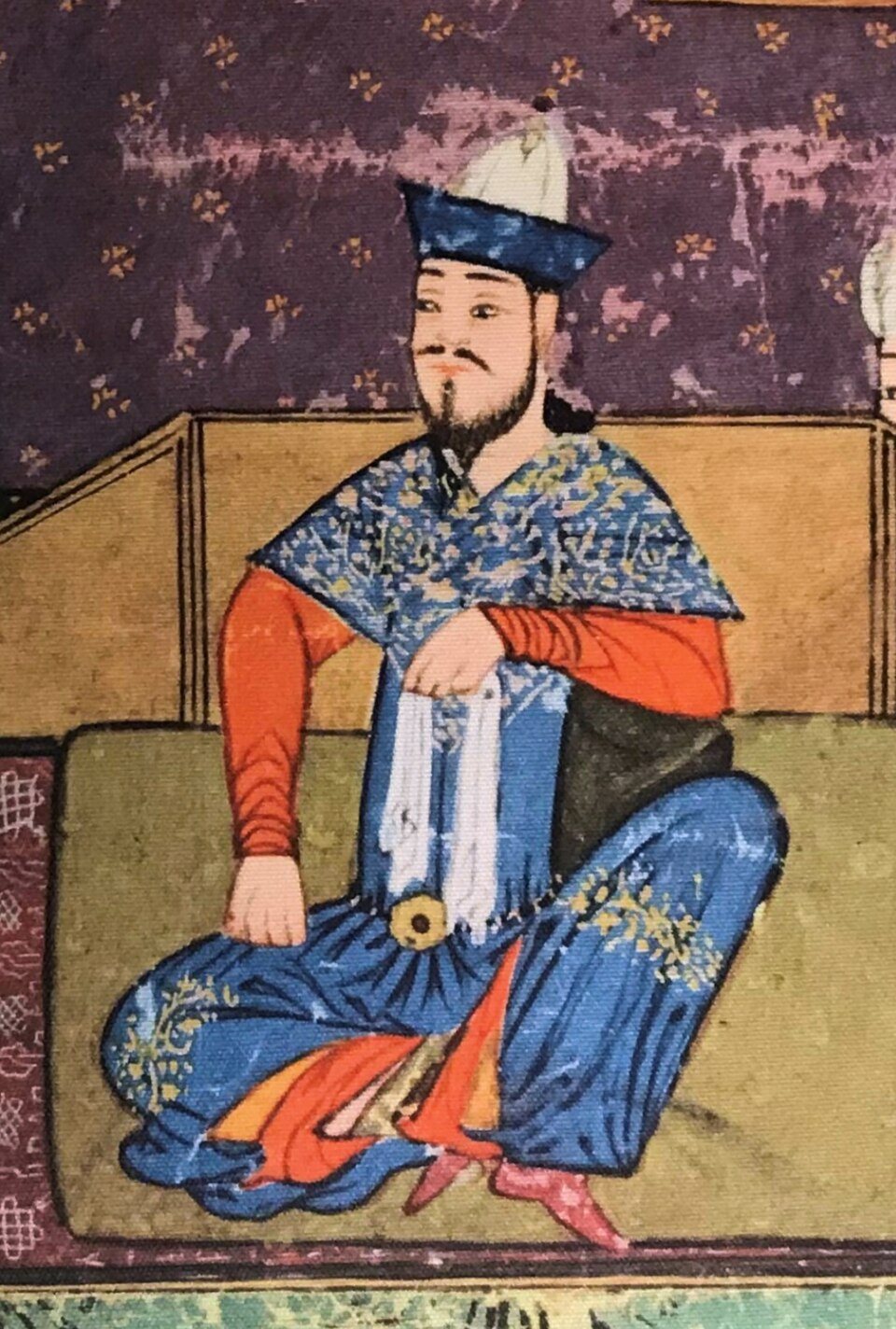
Amir Timur: The Man Who Conquered Half the World — and Built Samarkand

A limping shepherd who became an undefeated commander. Squares bear his name; his legacy includes the Taj Mahal. But was he a builder of civilization or its destroyer? The honest answer: both.

3 in this section

People

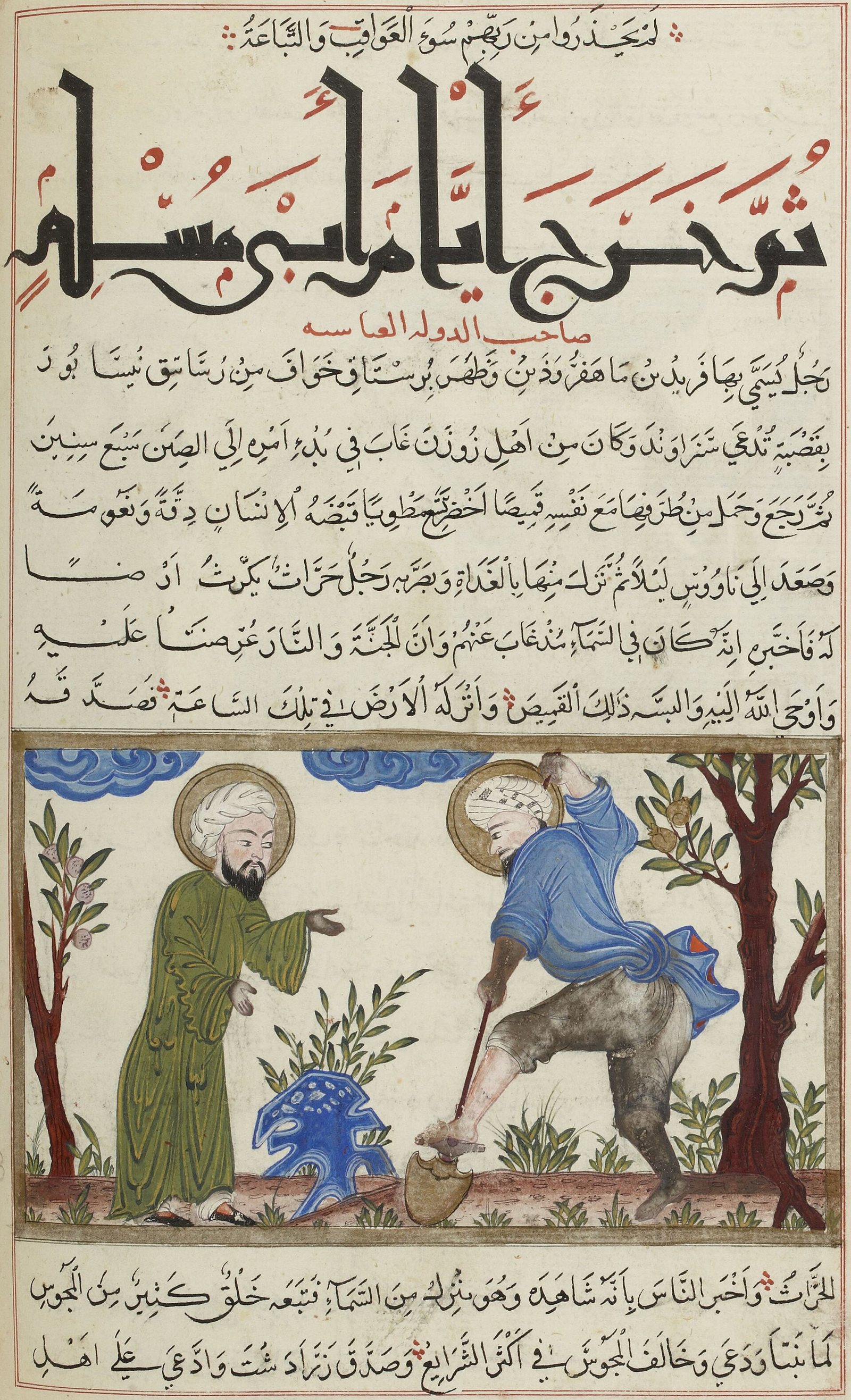
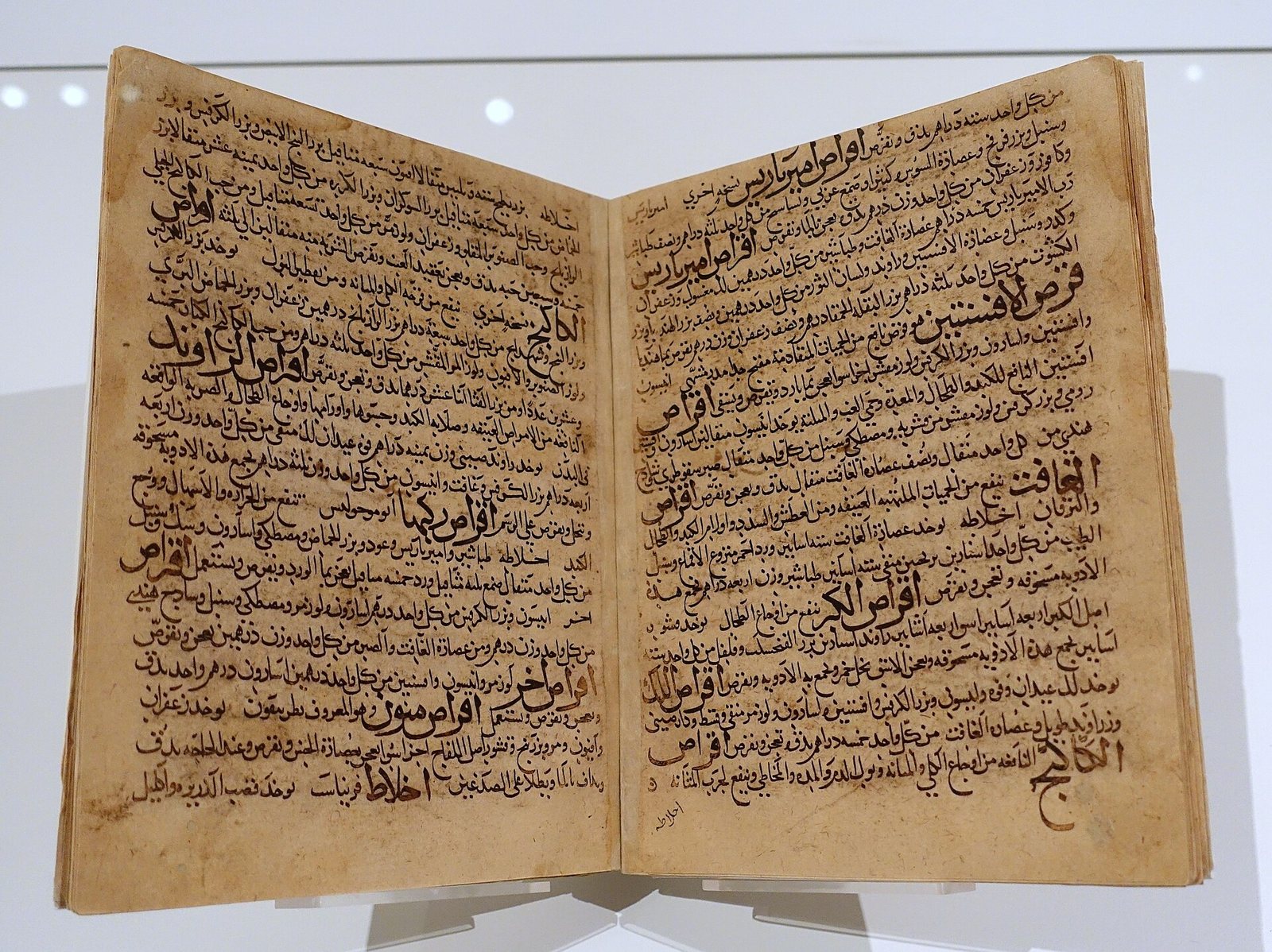
Al-Biruni: The Scholar from Khwarazm Who Measured the Earth

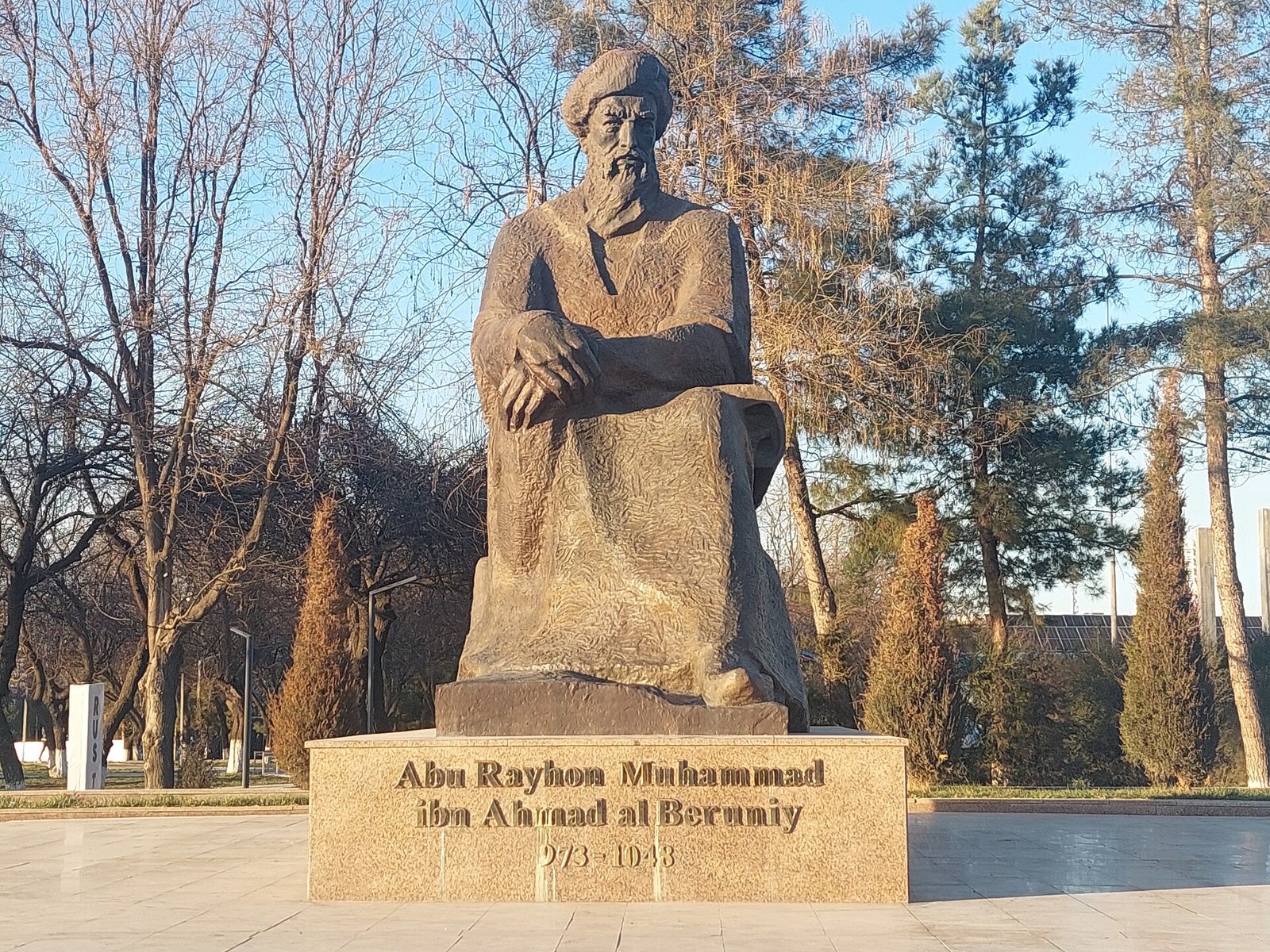
He knew nine languages, worked across dozens of sciences, and calculated the size of the Earth using a single mountain and trigonometry five hundred years before Magellan. Al-Biruni studied everything — from minerals to Indian philosophy — and left behind more than a hundred works. If the age had a universal genius, it was him.
6 in this section

Everyday life

Amulets Against the Evil Eye: Tumor, Kuzmunchok and the Blue Eye

A blue eye-bead on a baby's wrist, a triangular amulet on a bride's neck, a protective pattern on children's clothes — Uzbek daily life is woven through with charms against the "evil eye." And if such a bead suddenly cracks, that's cause for joy: it means it took the evil eye upon itself.

15 in this section

People

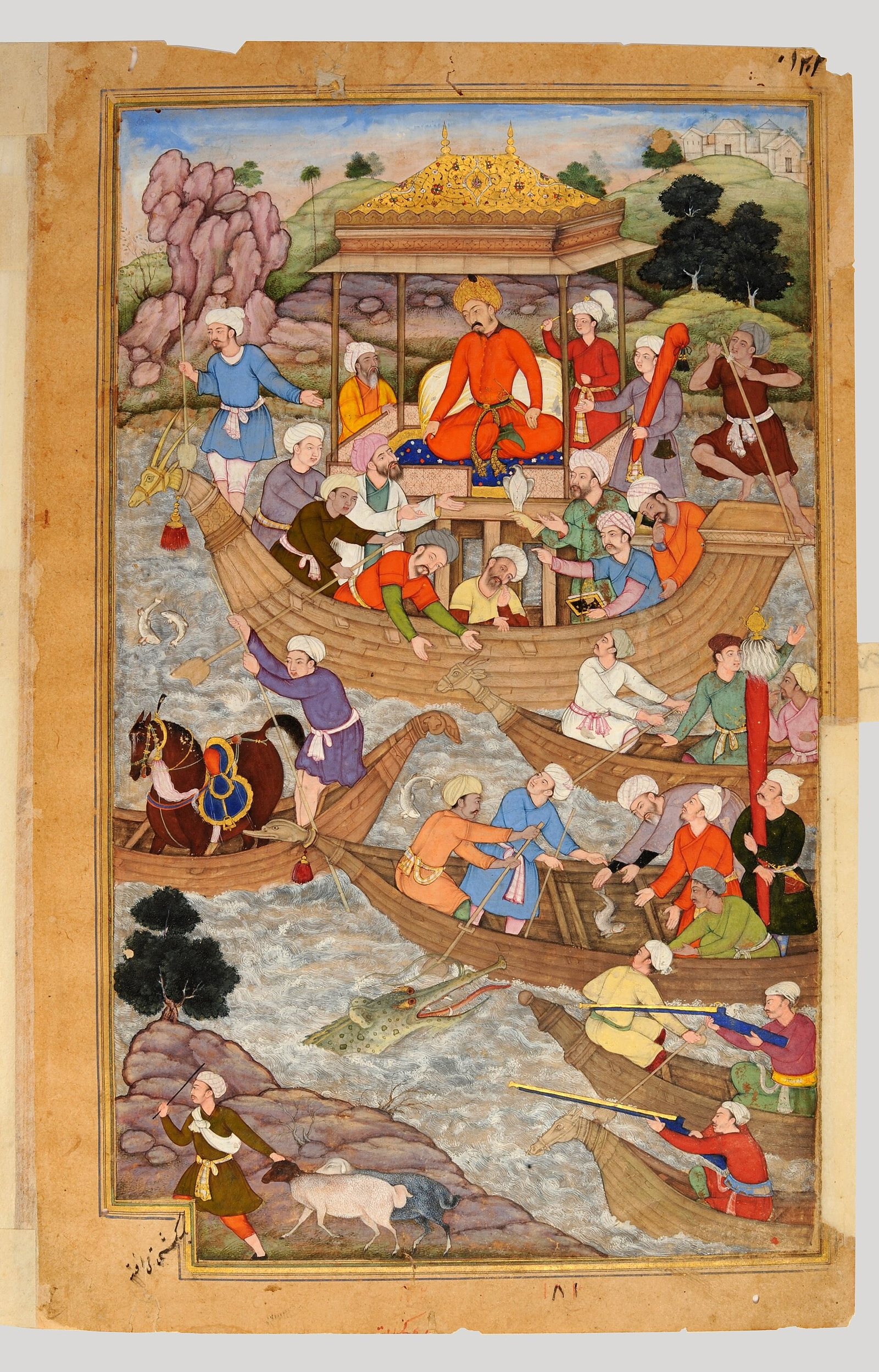
Al-Biruni: The Scholar from Khwarazm Who Measured the Earth

He knew nine languages, worked across dozens of sciences, and calculated the size of the Earth using a single mountain and trigonometry five hundred years before Magellan. Al-Biruni studied everything — from minerals to Indian philosophy — and left behind more than a hundred works. If the age had a universal genius, it was him.
People

Al-Khwarizmi: The Man Whose Name Became the Word "Algorithm"

Every time the world says "algebra" and "algorithm," it remembers a scholar from Khwarazm — though almost no one suspects it. One word was born from the title of his book, the other from the Latin form of his name. Al-Khwarizmi didn't merely solve equations — he gave humanity the language it has counted in ever since.

Culture

Amulets Against the Evil Eye: Tumor, Kuzmunchok and the Blue Eye

A blue eye-bead on a baby's wrist, a triangular amulet on a bride's neck, a protective pattern on children's clothes — Uzbek daily life is woven through with charms against the "evil eye." And if such a bead suddenly cracks, that's cause for joy: it means it took the evil eye upon itself.

People

Avicenna: The Doctor from Near Bukhara Who Taught Europe Medicine

By the age of fourteen he had read every medical book to be found in Bukhara and begun treating the most difficult patients. His main work remained a textbook for the doctors of Europe for five centuries. Ibn Sina — a man born in a Samanid village near Bukhara who became one of the most influential scholars in human history.

People

Babur: The Exile from Ferghana Who Founded an Empire

At twelve he received the throne of a small Ferghana principality — and at once began to lose it. Three times he took Samarkand and three times gave it up. Driven from his homeland, he crossed the mountains and founded in India an empire that lasted three centuries. The story of Babur is about how defeat on his native soil turned into one of the greatest dynasties of the East.

Culture

Beshik-Toyi: The Festival of the Cradle

When a newborn is a few days old, the mother's family brings into the home a richly adorned beshik cradle, with sweets and toys wrapped in a tablecloth. To the sound of the karnay, elder women lay the baby in the cradle for the first time — and so the community welcomes its newest member.

Culture of Uzbekistan

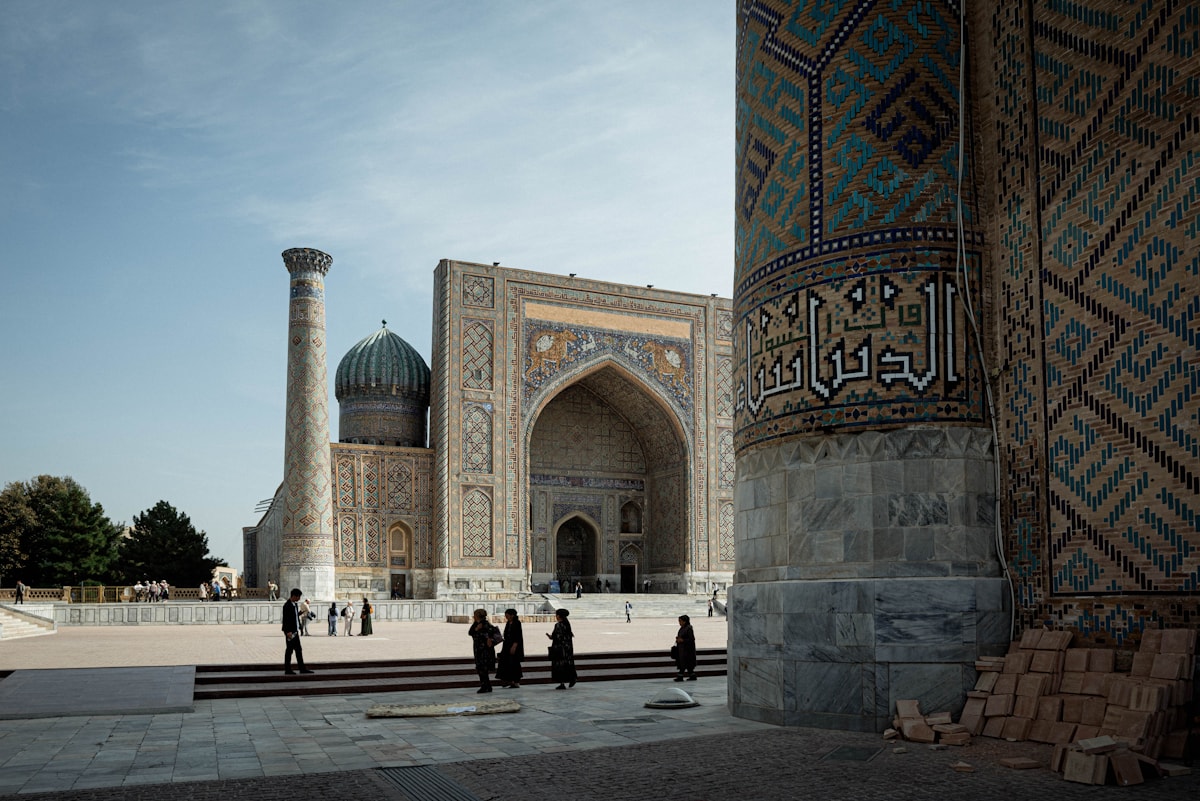
Architecture, ornament and visual language in translated Kvazar stories. The color is unmistakable: deep turquoise against a bleached sky.

Culture

Hashar: When the Whole Quarter Works as One

A house needs building, a street needs tidying, the mahalla needs readying for a holiday — and by morning the neighbors come out all together, for no pay at all. In a single day a friendly crowd does what would take a single family months. This is hashar, the ancient tradition of mutual aid on which the Uzbek community rests.

History of Uzbekistan

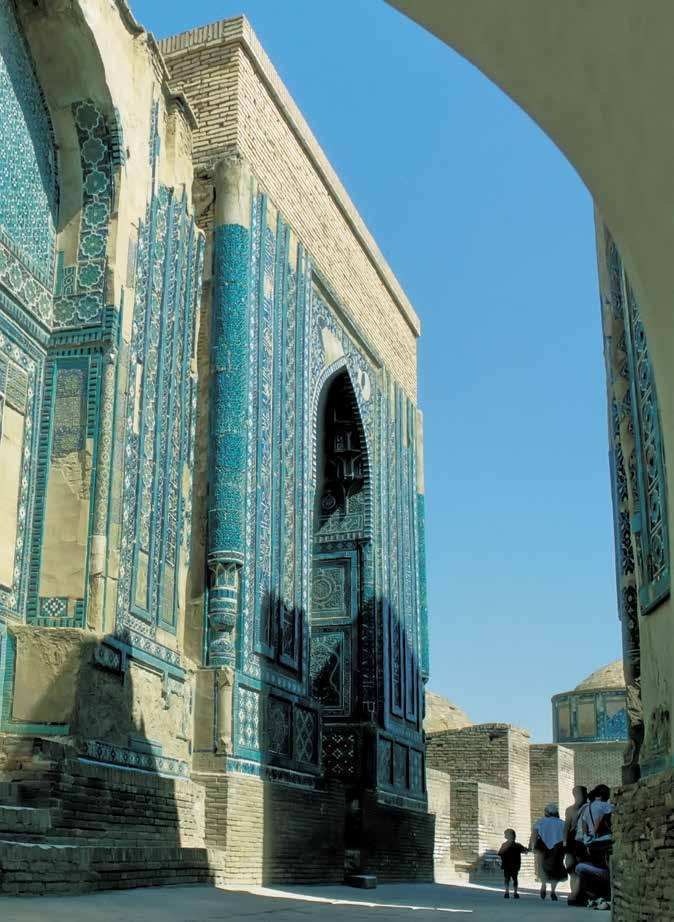
The Silk Road, empires and turning points behind the modern map. A limping shepherd who became an undefeated commander. Squares bear his name…

Culture

Hospitality and the Dastarkhan: Why the Guest Ranks Above Courage

"Hospitality is higher than courage," says an old proverb. To refuse a guest, not to seat them at the table, not to treat them, meant to bring shame not only on yourself but on your whole kin. Behind it lies a whole code: where to sit, when to drink tea and why the bowl is poured not full.

Culture

Navruz: The New Year Greeted in Spring

While half the world counts the new year from a winter midnight, here it's greeted on the day when day equals night and the earth wakes. At Navruz, women take turns all night stirring sumalak in a huge cauldron, forgive grievances and lay the table as generously as they can — so that the year, too, will be just as generous.

People of Uzbekistan

Scientists, rulers and masters whose biographies explain the country. A commander, state builder and patron whose empire changed Central Asia.

Culture

Ramadan and Iftar: A Month of Fasting and Shared Tables

A whole month, from dawn to sunset — no food, no water. And at sundown comes iftar: the breaking of the fast, begun with a date and a sip of water, and shared tables laid for the whole mahalla. Ramadan in Uzbekistan is not only fasting but a time of special generosity and unity.

Culture

Sunnat-Toyi: A Boy's Coming-of-Age Festival

In the life of an Uzbek boy there's a celebration that rivals a wedding in scale: hundreds of guests, music, a generous table and gifts. Sunnat-toyi is an important milestone of growing up, hallowed by tradition and met by the whole family and the mahalla as a great family festival.

Culture

Tea Etiquette: Three Pourings and the Bowl of Respect

Before pouring a guest tea, the host pours it three times from the bowl back into the pot. And the most honored guest is poured the least of all. Behind these gestures lies a whole philosophy: "the first bowl is a muddy stream, the second the aroma, the third real tea."

Silk Road

The Great Silk Road: The Road That Created Uzbekistan

It wasn't one road — and silk was only the most famous of its goods. For a millennium and a half the Great Silk Road linked China with Europe, and the Uzbek cities were not stops along it but its hubs and engines. To understand Samarkand, Bukhara and Khiva, you first have to understand the road they grew up for.

Culture

The Mahalla: The Neighborhood Community as a Way of Life

In an Uzbek neighborhood a neighbor is not just the person behind the wall. Together they hold weddings and see one another off on the final journey, build a house as a whole community and help anyone who's in trouble. This is the mahalla — an ancient institution of the neighborhood community that has survived every era and is today written into the country's Constitution.

Culture

The Toy: An Uzbek Wedding for Hundreds of Guests

An Uzbek wedding isn't a party for fifty people but an event for hundreds, even a thousand guests, prepared for by the whole family and the whole mahalla. It has its own stages, its own rites and its own white runway, down which the bride first enters her new home under a rain of sweets and coins.

Culture

The Tyubeteika: The Cap by Which a Person Is Read

A black cap with a white pattern seems a simple souvenir — but someone in the know will read from it which region its wearer comes from. The shape, color and ornament of the tyubeteika make up a code: four chili pods, a snake's trail, sixteen arches — behind each sign stands a wish and a meaning.

People

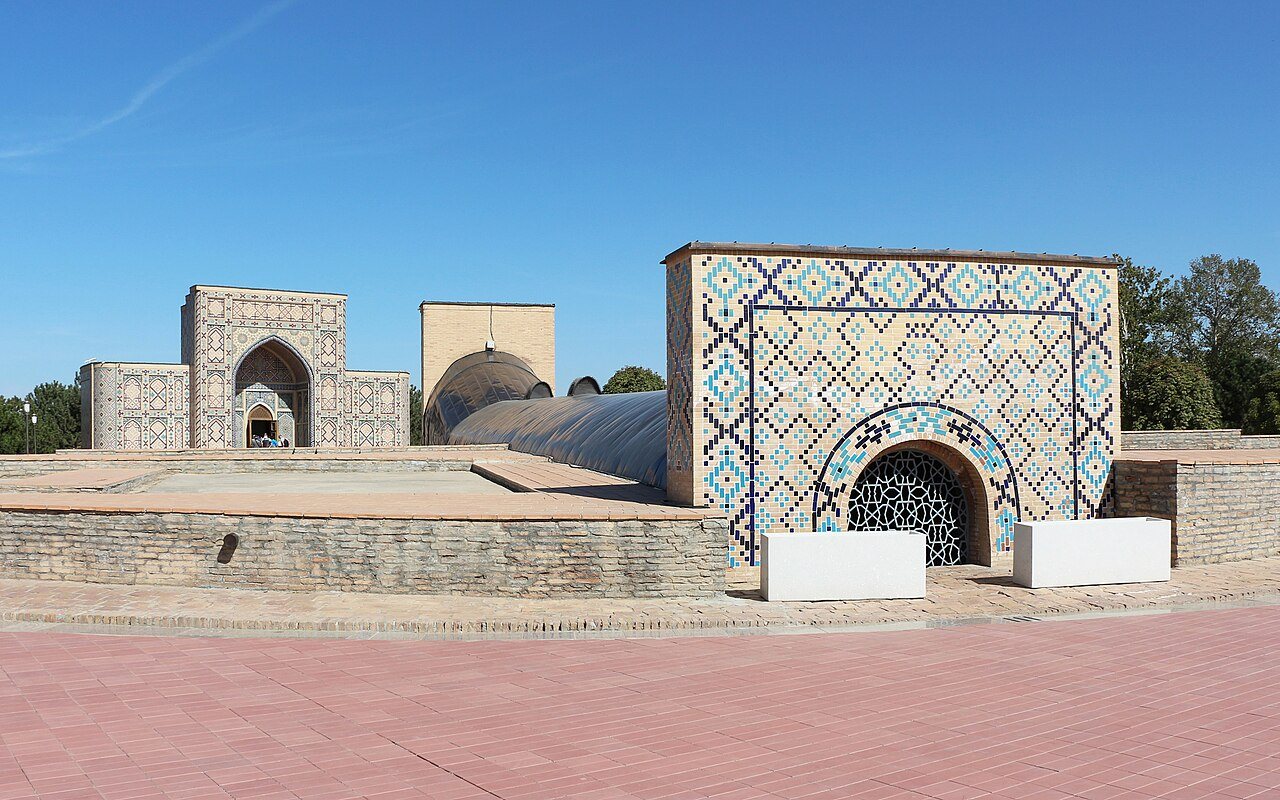
Ulugh Beg: The Ruler of Samarkand Who Looked to the Stars

The grandson of the greatest conqueror of his time could have gone on expanding the empire by the sword. Instead he built an observatory and measured the sky more precisely than anyone in the medieval world. Ulugh Beg was an astronomer on the throne — and it was science, not war, that in the end cost him his power and his head.

Culture

Uzbek Carpets: Julkhirs, Gilam and a Lost Secret

The Spanish king's ambassador at the court of Tamerlane admired the bright red carpets of the Samarkand palaces. Centuries later the technology of the precious silk carpets was lost — but the art of carpet weaving survived. Today Uzbekistan weaves long-pile julkhirs and red-brown Bukhara gilam.

Culture

Why Are the Domes of Samarkand Blue?

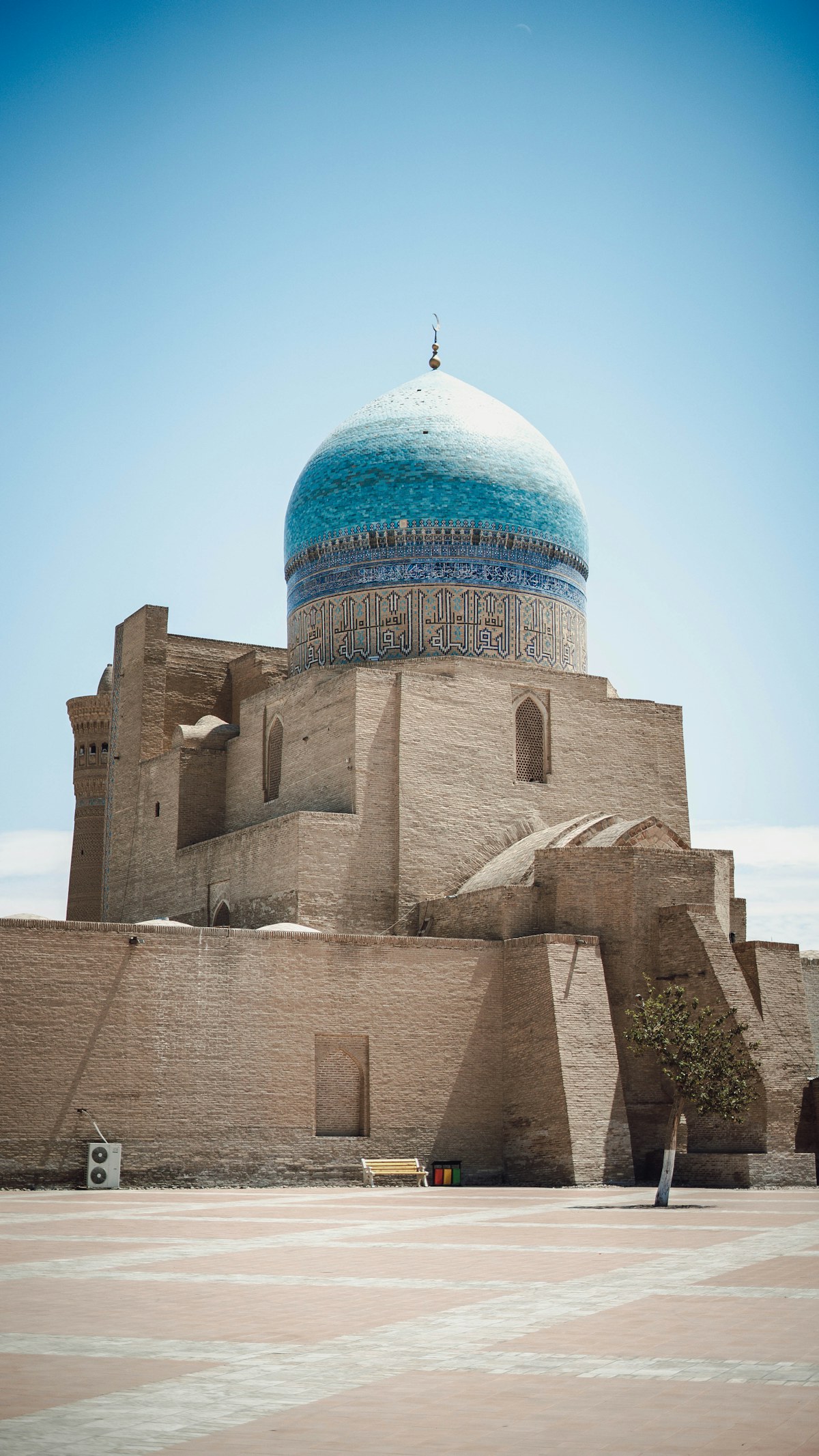
The color is unmistakable: deep turquoise against a bleached sky. But it isn't just beauty — behind it lie the chemistry of distant mines, the symbolism of water in a desert, and the imperial taste of an entire era.