
Seven days gives you Uzbekistan's three core cities. Ten days gives you the country's actual narrative arc — because the fourth city, Khiva, is where the Silk Road stops being a phrase and becomes a walled town in the desert you can walk end to end. The reason ten days is the most-recommended "complete" length isn't that it adds more sights. It's that the extra days absorb the long western journey to Khiva without making you rush everything that comes before it.
Why is 10 days the ideal length?
The structure rewards a west-bound line. You begin in 20th-century Tashkent, move to the Timurid grandeur of Samarkand, then to the denser medieval fabric of Bukhara, and finish inside Khiva's walls — roughly a thousand years of travel in one direction, no doubling back. The trade is the Bukhara–Khiva gap, the only leg the railway doesn't yet make effortless. Plan around it and the rest of the trip flows.
Add a city to a week and you dilute it. Add the right city to ten days and you complete it.
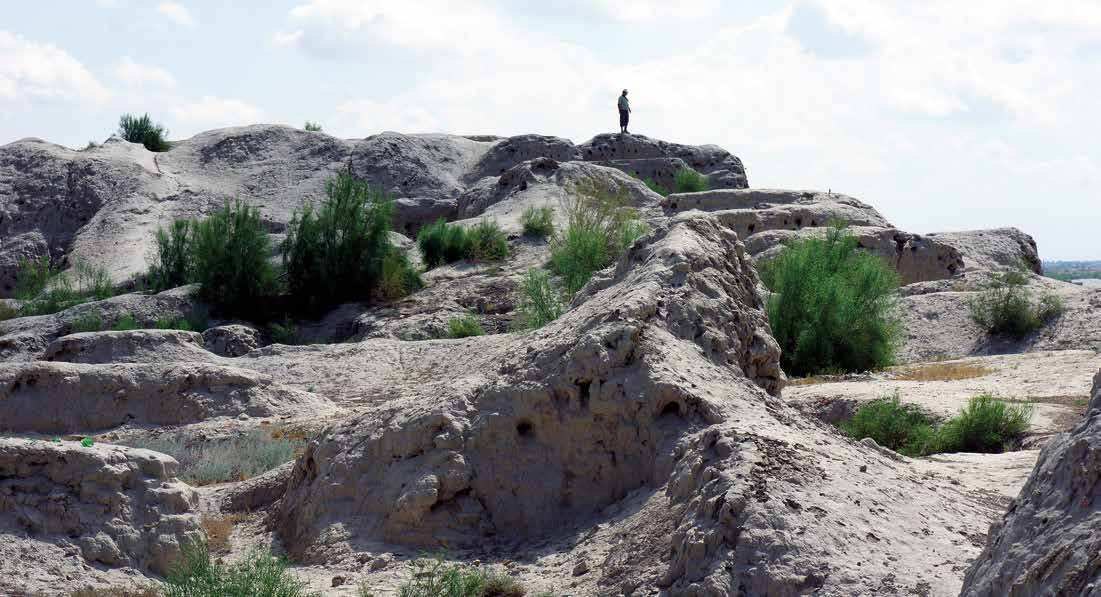
Day 1 — Tashkent: land and acclimatise
Tashkent was rebuilt after the 1966 earthquake, so it reads broad and modern, which surprises first-timers expecting only domes. That's its role here: a contemporary opening chord. See Chorsu Bazaar, Hazrati Imam and a few grand metro stations, then rest. The full city is in the Tashkent guide.
Days 2–4 — Samarkand: the grand opening
Samarkand's essentials — the Registan, Shah-i-Zinda, Gur-e-Amir, Ulugh Beg's observatory — fit comfortably in two days. The extra half day is where ten-day trips earn their keep: use it for Shahrisabz across the mountains, or for a second, slower pass through the things you rushed. Everything is in the Samarkand guide.
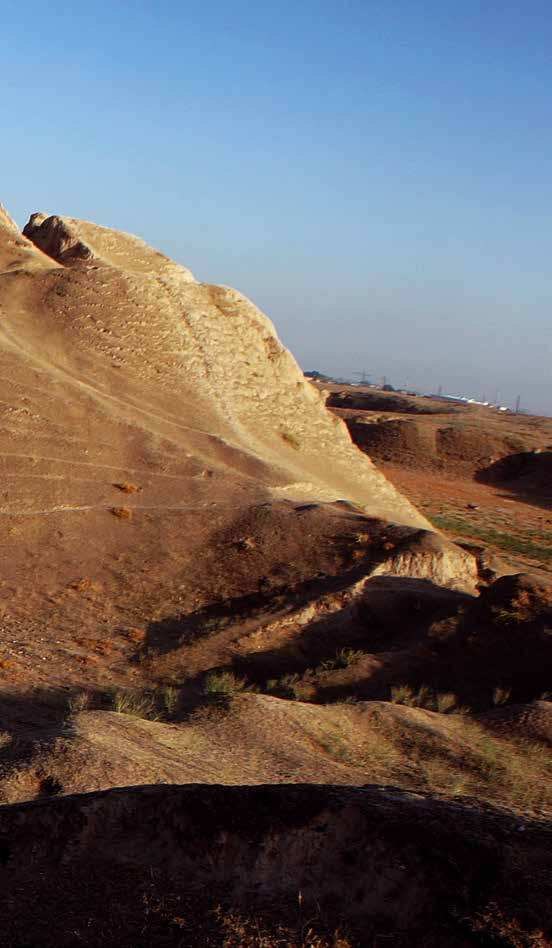
Days 5–7 — Bukhara: the slow centre
Bukhara is where the trip slows on purpose. Where Samarkand impresses, Bukhara accumulates: a continuous medieval fabric you cross on foot, best understood by walking it more than once. Read the Poi-Kalon ensemble, wander the trading domes, and end days at Lyab-i-Hauz. The third day is for a craft workshop, the Samanid mausoleum, or nothing at all. See the Bukhara guide.
Days 8–10 — Khiva: the walled city in the desert
Khiva divides opinion precisely because it's so intact: a complete walled city of madrasas, minarets and palaces, almost a museum of itself. Embrace that. See the Itchan Kala sights — the unfinished Kalta Minor minaret, the forest of columns in the Juma Mosque, Kunya Ark — but save your real attention for dawn, when Khiva belongs to no one. The full city is in the Khiva guide.
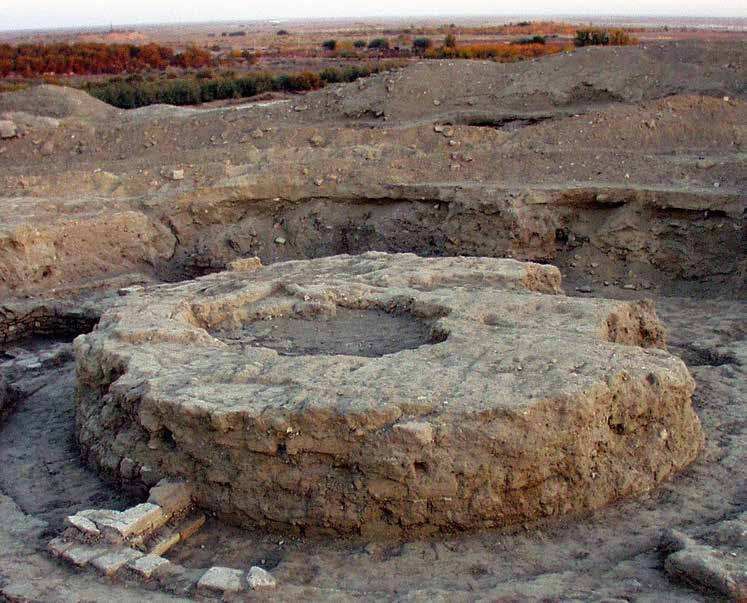
How do you get from Bukhara to Khiva?
This is the one leg that needs planning. Three ways across: the overnight train, which turns travel into sleep and is an experience in itself; a private car through the desert, ideally with a stop at the Khorezm desert fortresses to break the drive; or, increasingly, the new high-speed rail service as it comes online during 2026. Whichever you choose, build the travel time into your plan rather than against it.
What can you add or swap on a 10-day trip?
If you have a little flexibility, the western end is rich. The Savitsky Museum in Nukus holds the world's second-largest collection of Russian avant-garde art — improbably, in a desert city — and the Aral Sea and Moynaq deliver one of the most haunting landscapes in Central Asia. Alternatively, swap a day for Shahrisabz from Samarkand, or save the Fergana Valley for the 14-day route.
Frequently asked questions about a 10-day Uzbekistan trip
Is 10 days enough to see Uzbekistan properly?
Yes — ten days is widely considered the ideal length for a complete first trip. It covers all four Silk Road cities at a comfortable pace and leaves a little room for a day trip or a slow afternoon. To add the Aral Sea or the Fergana Valley without rushing, stretch to 12–14 days.
Should I do the route east-to-west or west-to-east?
West-bound (Tashkent → Khiva) lets you fly out of Urgench and avoid backtracking, and builds from a modern city to a medieval one. East-bound (flying into Urgench, ending in Tashkent) works equally well and is handy if your international flights favour Tashkent. Both avoid a return leg if you fly open-jaw.
How do I get home from Khiva?
Urgench, about 30 minutes from Khiva, has the nearest airport, with domestic flights to Tashkent and some international connections (including Istanbul). Alternatively, take the overnight train or a domestic flight back to Tashkent to connect onward. Flying open-jaw — in to Tashkent, out of Urgench — saves the most time.
Can I add the Aral Sea to 10 days?
It's tight but possible if you treat it as the trip's finale: a two-day excursion from Khiva or Nukus to Moynaq's ship graveyard and a yurt camp, then fly out of Nukus or Urgench. Most people who prioritise the Aral Sea end up at 12 days. Expect long desert drives — it's remote, and that remoteness is the point.
Do I need a guide or tour for this route?
The four cities are fully doable independently by train and on foot. The exceptions are the desert legs — the Khorezm fortresses and especially the Aral Sea — which need a 4×4 with a driver or a tour, simply because there's no public transport across that terrain. For the cities themselves, a guide is optional.
Want to see Uzbekistan the way the people who live here see it?
Become a Kvazar Explorer →