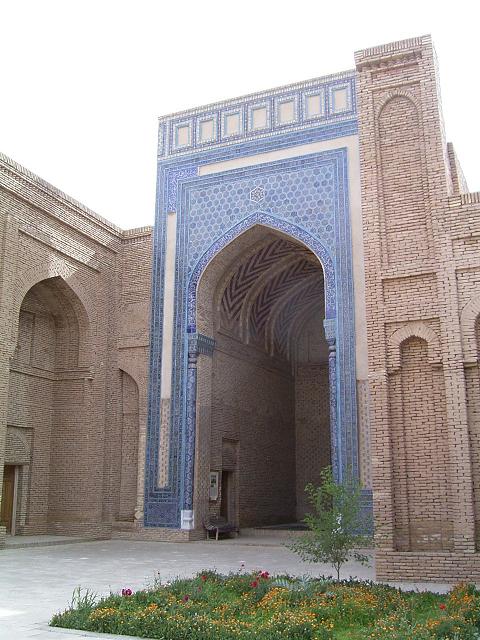
Baysun is a mountain district in the south of Uzbekistan, the complete opposite of the Silk Road cities: not ceremonial architecture but the hinterland, with living traditions, mountain villages and landscapes you would not expect of the country. UNESCO recognised Baysun precisely for its living culture — rites, music, crafts. It is the least accessible and most authentic part of Uzbekistan. This guide covers the nature and culture there, how to get there, and who such a trip really suits.
What is Baysun, and why go there?
If all of classic Uzbekistan is the Silk Road cities, Baysun is its complete opposite: not ceremonial architecture but the hinterland, where the way of life changed more slowly than anywhere. UNESCO recognised Baysun precisely for its living culture — rites, music, crafts, oral traditions. For the traveller it is a rare chance to see the Uzbekistan that is not in the guidebooks.
Baysun lies in the south, on the road between the central part of the country and Termez, so it is logical to combine it with the southern route. On Termez itself and its surroundings, see our Termez in two days guide, and an overview of all the mountain areas is in our mountains of Uzbekistan guide.
What is the nature like in Baysun?
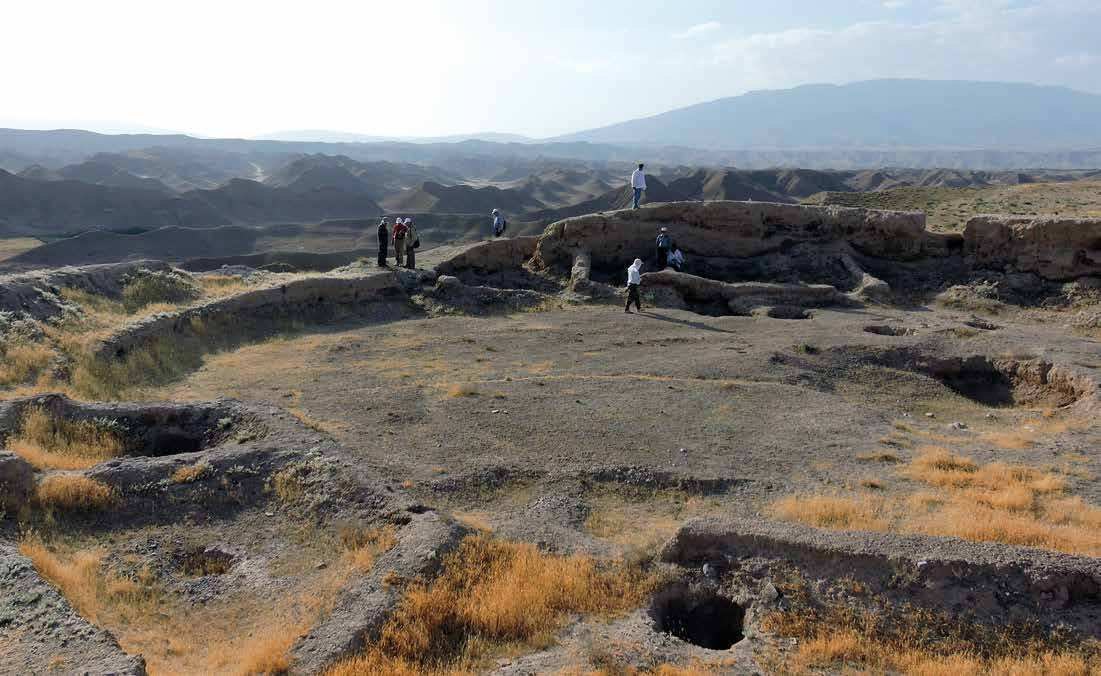
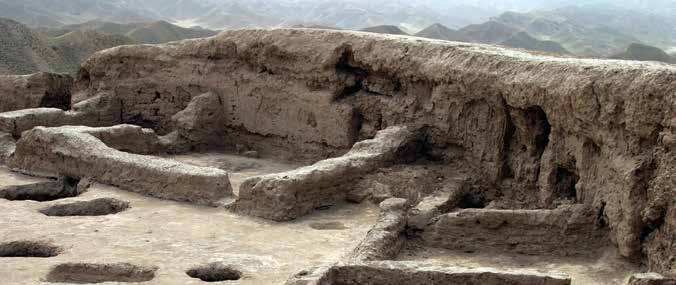
Baysun's nature differs sharply from the deserts and oases of the rest of Uzbekistan: it is a real mountain country with changes of altitude, clean air and spring water. The Teshiktash cave entered the history of archaeology: one of the pieces of evidence for the presence of Neanderthals in Central Asia was found here. So Baysun links living modern culture with the most ancient history of humans on these lands.
Baysun is Uzbekistan as it was before the cities and the caravans: mountains, springs and a way of life that changed more slowly than anywhere. Not a monument in a museum but living antiquity in the open air.
What is Baysun's culture famous for?
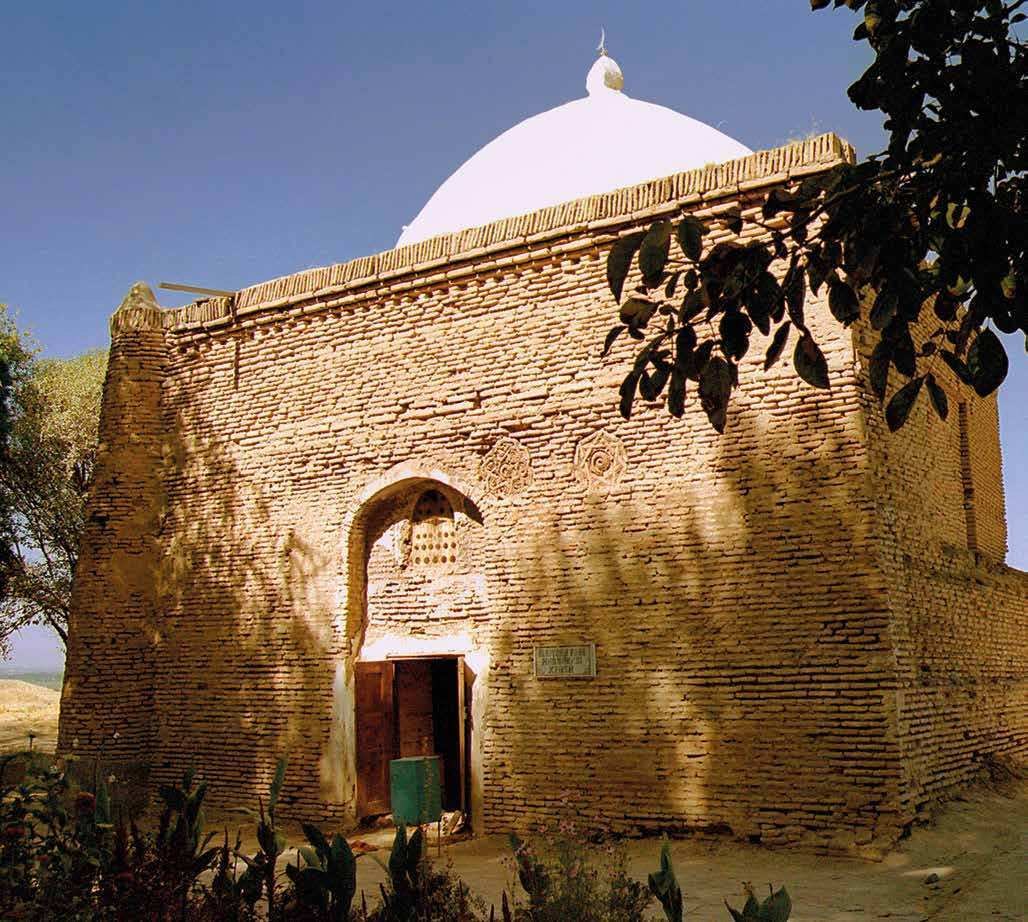
Baysun's value is not in a single building but in a whole way of life: how people here dress, sing, weave and mark festivals adds up to a living tradition, not a museum reconstruction. For the thoughtful traveller this is deeper than viewing yet another mosque: you see culture at work. Respectfulness matters especially here — this is not an attraction but living villages with their own life.
How do you reach Baysun, and what to keep in mind?
It is practical to plan Baysun as part of the southern block: central Uzbekistan → Baysun/Derbent → Termez, or the other way round. The best season is spring and autumn, when the mountains are comfortable and the slopes green. Take comfortable shoes for the trails and be ready for a simple but sincere rural hospitality. How the southern route works is in our Samarkand to Termez guide.
Who is a trip to Baysun for?
Honestly, Baysun is not for everyone and not for a first visit: it is worth coming when you want to see the country beyond the postcards. But for those ready for the road and simple living, it is one of the strongest and most authentic experiences in Uzbekistan. What else is in the south is in our Termez in two days guide, and the whole long route is in Uzbekistan in 14 days.
Frequently asked questions about Baysun
What is Baysun?
Baysun is a mountain district in the south of Uzbekistan, in Surkhandarya, recognised by UNESCO for its intangible cultural heritage. It is a distinctive world of gorges, springs and an archaic way of life with living traditions — music, rites, crafts. The least accessible and least touristy part of the country, where people come for authenticity rather than monuments.
What makes Baysun interesting for a traveller?
Living culture and mountain nature far from the tourist trails: folk music and rites that have survived more fully than in the lowlands, gorges, springs and caves including the famous Teshiktash with its Palaeolithic site. It is Uzbekistan as it was before the cities and the caravans — living antiquity in the open air.
How do you get to Baysun?
Baysun lies in Surkhandarya in the south, and is most conveniently combined with a trip to Termez — the road from the north runs through these parts. You get there by car with a driver: public transport to the mountain villages is awkward. The infrastructure is modest, so Baysun suits those ready for simple accommodation for the sake of authenticity.
When is best to go to Baysun?
In spring and autumn, when the mountains are comfortable and the slopes green; summer is hot, winter cold with worse roads. Take comfortable shoes for the mountain trails. Baysun is part of a southern route, logically built in combination with Termez and the Derbent canyon.
Who should go to Baysun?
Those who have already seen the main cities and want to go deeper into the country — living culture and mountain nature rather than another mosque. It is a choice of authenticity over comfort. For a first and short visit it is wiser to start with the classic route and leave Baysun for a deeper, repeat acquaintance with Uzbekistan.
Want to see Uzbekistan the way the people who live here see it?
Become a Kvazar Explorer →