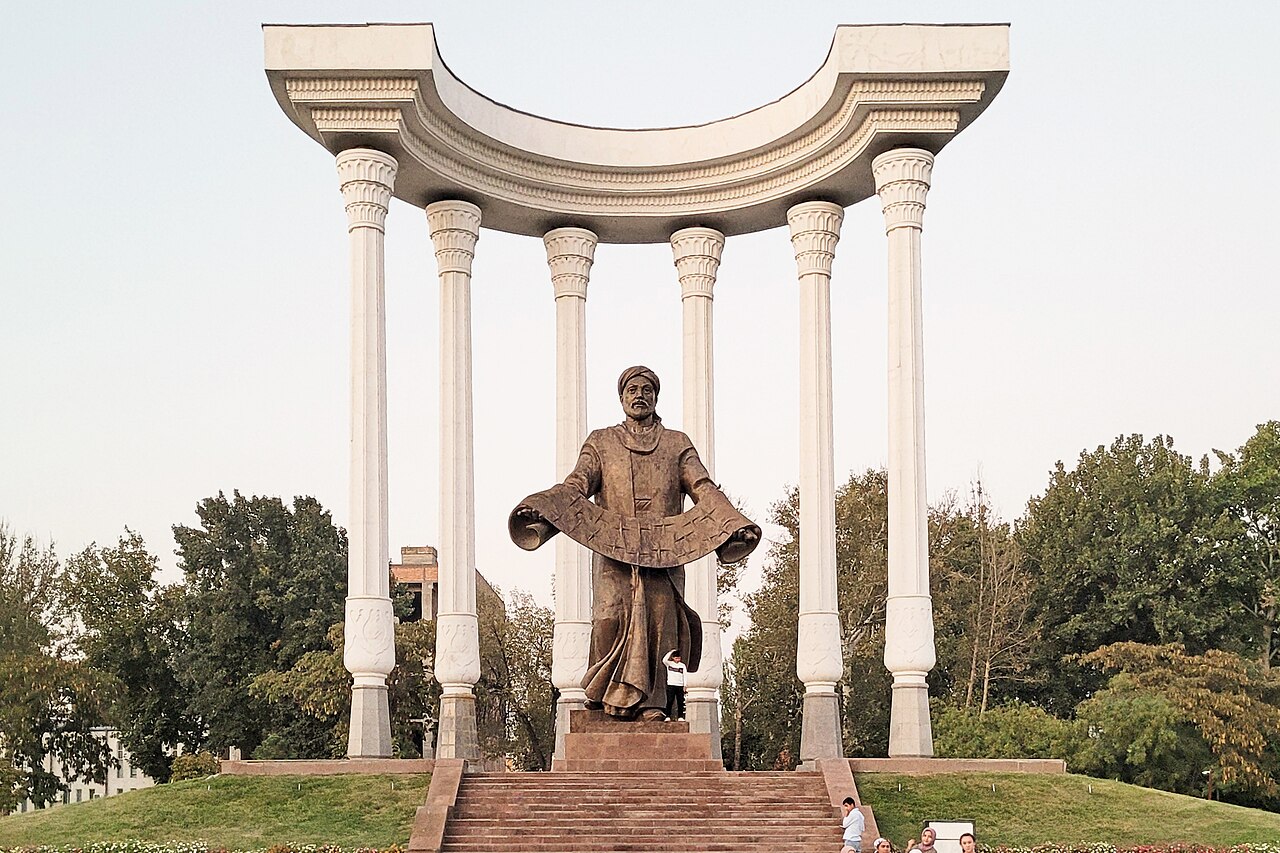
Almost everyone who comes to Uzbekistan sees the same four cities, and they should — Samarkand, Bukhara and the rest earn every visitor. But the country has a quieter self that the Silk Road circuit never touches: a landscape of desert forts, biosphere-reserve villages, prehistoric rock art and folk-culture mountain towns where mass tourism simply hasn't arrived. This guide is for the second-time visitor, the curious, and anyone who suspects the real country is hiding just past the postcard. Here's where to find it.
Why go beyond the Silk Road cities?
There's a particular fatigue that sets in after the fifth magnificent mosque — not boredom, exactly, but a hunger for something living rather than restored. That's what the country's quieter corners provide. A night in a village homestay, baking non bread in a tandyr oven, walking a valley where wild mountain sheep breed, standing alone before a desert fort — these are the textures that turn a sightseeing trip into an encounter. They're harder to reach, which is exactly why they stay unspoiled. For the classic route these complement, see our first-trip guide.
Past the famous domes, the country stops performing for visitors and starts simply living alongside them. That shift is the whole reward.
Where can you experience village life?
This is the classic antidote to monument overload, and one of the most rewarding things you can add to a trip. The Nuratau-Kyzylkum Biosphere Reserve shelters a string of villages pioneering community tourism, where charming family guesthouses — some with a stream running through the garden — anchor days of gentle hiking past water mills and ancient rock carvings. You might spot mouflon, the wild mountain sheep breeding in the reserve. Combine it with a Kazakh-style yurt camp at Aydarkul Lake nearby for camel rides, bonfires and the deep stillness of the desert. The nearby town of Nurata adds petroglyphs and a fortress said to date to Alexander the Great.
What are the desert fortresses?
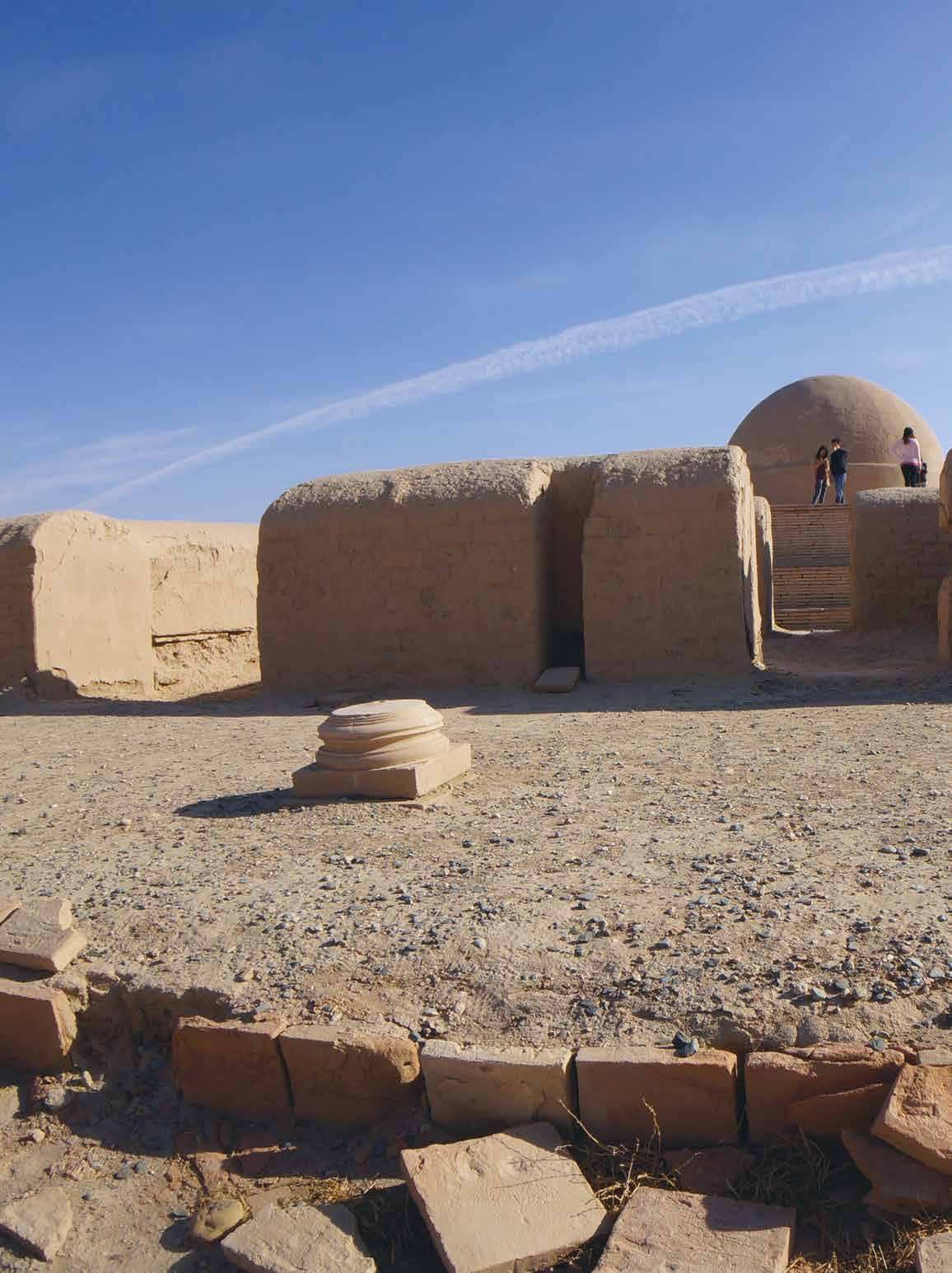
These are among the country's most atmospheric and least-crowded sights. The Khorezm desert fortresses were the strongholds of an ancient civilisation, and standing on the ramparts of Ayaz-Kala with nothing but desert to every horizon is a different kind of awe from the polished madrasas — rawer, older, emptier. They make a natural and spectacular break on the long drive between Khiva and Nukus, and a yurt camp beneath one turns the visit into an overnight adventure. Bring water, sun protection and a sense of scale.
Where can you see prehistoric rock art?
For travelers drawn to deep time, the petroglyphs are extraordinary. Sarmishsay is the great one — a secluded canyon where you can trace the lines of drawings made by people who roamed here long before any city stood, hunting scenes and animal forms etched across the stone. Smaller clusters appear on the valley walls around the Nuratau villages, often encountered on a hike. These sites ask for a guide or a tour to find and read properly, but the reward is a tangible connection to a prehistoric past most visitors never know exists.
What about Boysun and the south?
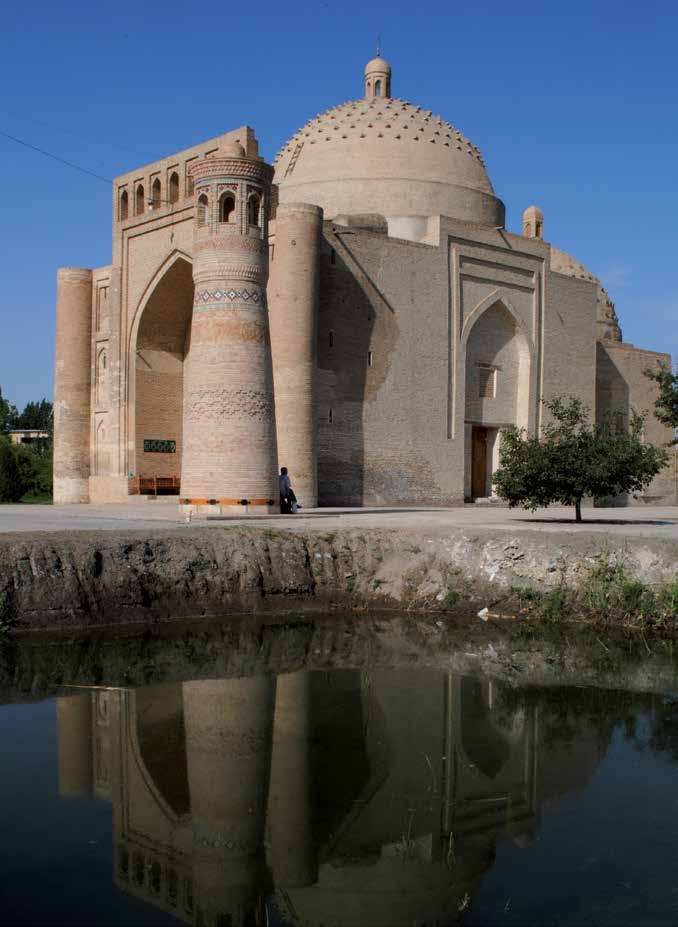
The south is Uzbekistan at its most surprising and least packaged. Termez, on the Afghan border, holds the country's Buddhist heritage — a reminder that this was a Buddhist crossroads long before Islam. Inland, Boysun preserves living folk traditions UNESCO has singled out, best experienced at the Boysun Bahori festival, when the mountains fill with music, wrestling and craft. The scenery around Sherabad and Langar is stunning and almost entirely free of other travelers. This is two-week-trip or second-visit territory — see how it fits in our 14-day route.
What's in the far west?
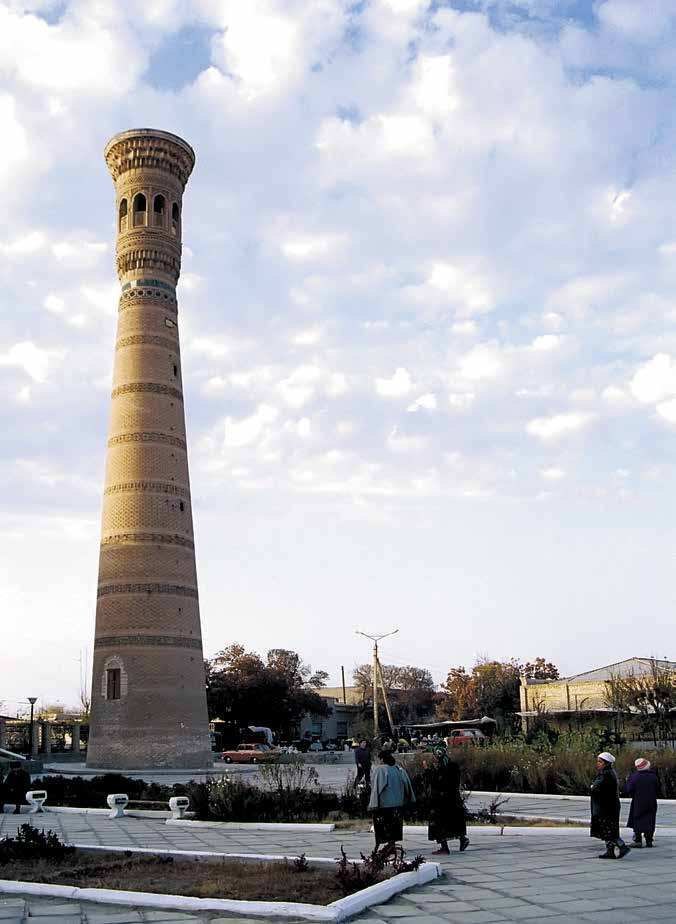
The far west feels like a different country, and that's its draw. The Savitsky Museum is a genuine wonder — forbidden Soviet-era avant-garde art preserved against the odds in Nukus — and the Aral Sea and Moynaq deliver one of the most haunting landscapes in Central Asia, a ship graveyard on a vanished sea. The Karakalpak people add their own distinct culture and hospitality. It's a long way out, best as a dedicated extension, and detailed in our coverage of Nukus and the Aral Sea.
How do you reach these places?
Reaching these places is the main reason most visitors miss them — and the main reason they stay unspoiled. The desert and mountain routes have little or no public transport, so a hired car and driver, or a tour built around community-based tourism, is usually the practical choice. The exception is the Fergana Valley, easily reached by a comfortable daily train. Build in buffer time: roads can be slow, and the whole point of these places is that they can't be rushed. The mechanics of getting around are in our transport guide.
Frequently asked questions about off-the-beaten-path Uzbekistan
Where should I go in Uzbekistan beyond Samarkand and Bukhara?
The best lesser-known options are the Nuratau Mountain villages for community tourism and hiking, the Khorezm desert fortresses, Sarmishsay canyon for petroglyphs, Boysun for folk culture, Termez for Buddhist history, and Karakalpakstan for the Savitsky Museum and the Aral Sea. The Fergana Valley adds living crafts and is the easiest to reach.
Is off-the-beaten-path Uzbekistan suitable for a first trip?
Some of it, in small doses — a night in a Nuratau village or a yurt camp pairs well with a first trip. But the remote south and far west are better as a second visit or a longer two-week trip, since they cost time and travel a first-timer rarely has. Start with the cities, then go deeper on a return.
Do I need a guide or tour for these places?
For most, yes — the desert forts, petroglyph canyons, Nuratau villages and Boysun lack public transport, so a car and driver or an organised tour is the practical way in. Community-based tourism operators are ideal, as they connect you with village guesthouses and ensure your money benefits locals. The Fergana Valley is the main DIY exception, by train.
What's the most unusual thing to see in Uzbekistan?
Contenders: the rusting ships of the Aral Sea on a dry seabed, the world-class avant-garde art of the Savitsky Museum in a remote desert city, the 2,000-year-old desert fortresses rising from empty sand, and the 6,000-year-old petroglyphs of Sarmishsay. Each is utterly unlike the famous Silk Road monuments.
When is the best time for these remote areas?
Spring and autumn, for the same reason as the rest of the country — the desert and mountains are punishing in high summer and cold in winter. Spring also brings the Boysun Bahori festival and green landscapes; autumn brings clear hiking weather. Avoid the deserts of Karakalpakstan and the forts in July and August.
Want to see Uzbekistan the way the people who live here see it?
Become a Kvazar Explorer →