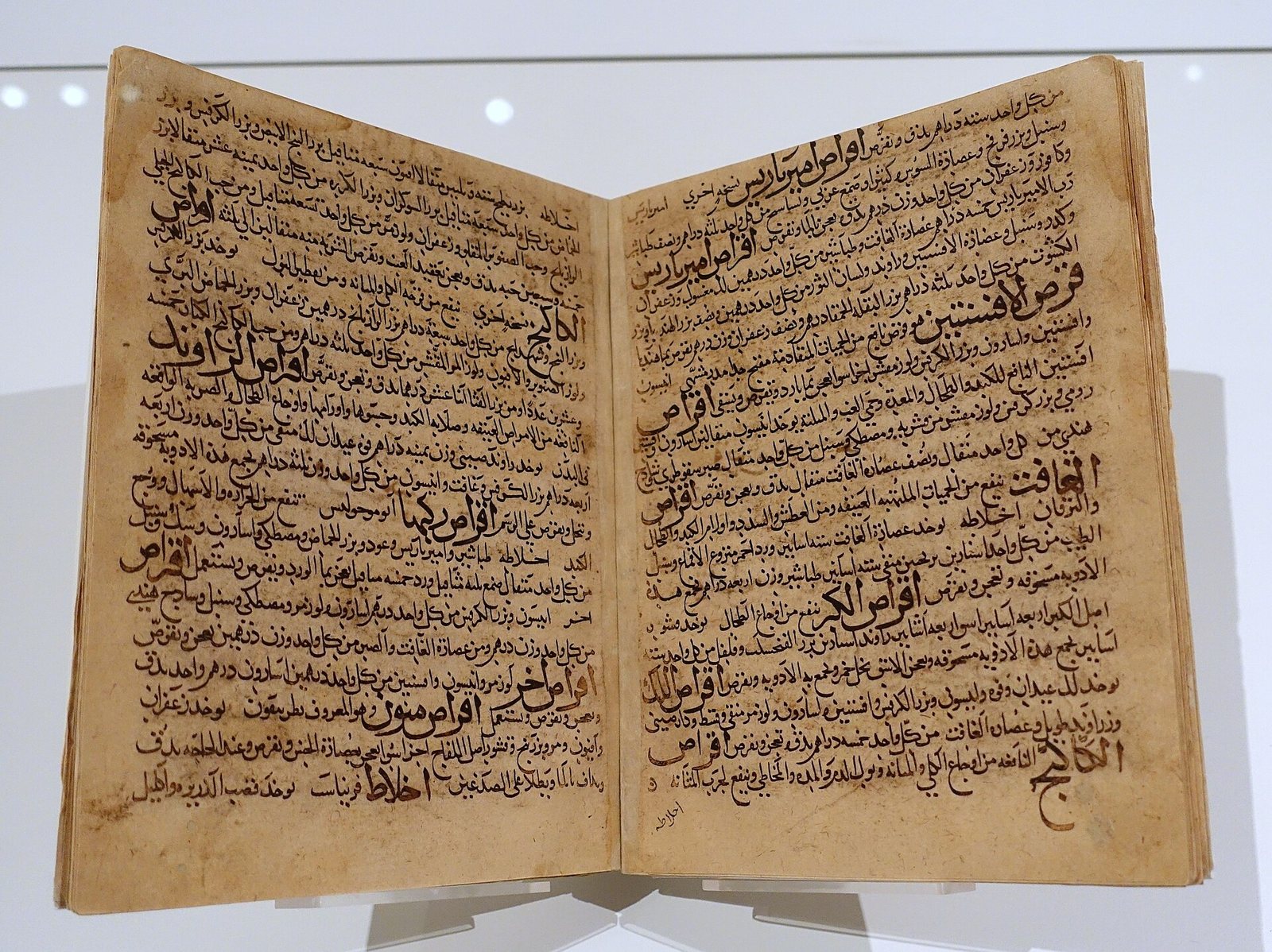
When we speak of the intellectual heritage of the lands of present-day Uzbekistan, one name stands apart — Ibn Sina, known in the West as Avicenna. He was born near Bukhara in an age when that city was one of the scientific and cultural capitals of the Islamic world, with the richest of palace libraries and scholars gathering from everywhere. In this environment grew a man whose works on medicine and philosophy shaped the thought of both East and West for hundreds of years. The story of Avicenna is the story of the heights science reached on this land a thousand years ago.
Who was Avicenna (Ibn Sina)?
The scale of Ibn Sina is hard to overstate: a figure of Aristotle's stature for his world, a man who systematized and developed all the knowledge available to him. He was not only a theorist but a practicing physician, a court doctor and even a vizier under various rulers. For Uzbekistan he's the high point of the scientific tradition that flowered on the Silk Road.
What role did Bukhara play?
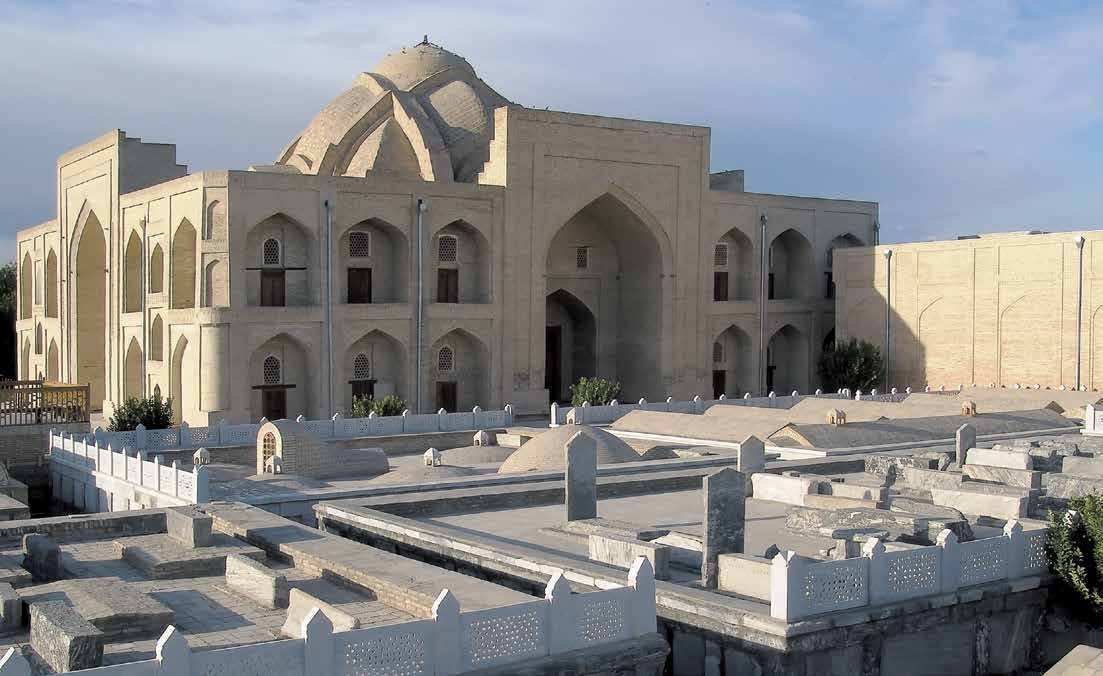
Bukhara gave Ibn Sina what was rare in any age — an environment. By his own recollection, by the age of fourteen he had read every medical treatise to be found in the city and begun visiting the most difficult patients. Very early he surpassed his teachers and moved to studying the sciences on his own. Without the intellectual wealth of Samanid Bukhara, the phenomenon of Avicenna would have been impossible.
What is the "Canon of Medicine"?
The uniqueness of the "Canon" lies in its systematic nature: Ibn Sina didn't just collect knowledge but built it into a logical structure convenient for teaching and practice. He described the properties of hundreds of medicines, methods of diagnosis, the contagiousness of a number of diseases. It was this encyclopedic completeness that made the book a reference for doctors from Central Asia to Europe. The fact that a work written near Bukhara taught European physicians for half a thousand years is one of the most vivid testaments to the greatness of this land's science.
What else is Ibn Sina famous for?
Ibn Sina was an encyclopedist in the full sense of the word: for him there were no borders between the sciences. His philosophical ideas influenced both Islamic thought and medieval European scholasticism. The "Book of Healing," despite its name, is devoted not to medicine but to "healing the soul of ignorance" — that is, to the whole body of knowledge. This was a mind that sought to embrace the world entire.
How did Avicenna influence Europe?
This is an example of how knowledge born in the East became the foundation of Western science. The European Renaissance and the Scientific Revolution rested in part on works that came from the Islamic world — and Ibn Sina was among their main sources. His memory is preserved even today: a crater on the Moon, a genus of plants and scientific institutions in various countries bear his name.
A book written in a village near Bukhara taught European doctors for five hundred years — such was the echo of the science of the Silk Road.
What is Avicenna's legacy for Uzbekistan?
Ibn Sina's legacy reminds us that the splendor of Samarkand and Bukhara was measured not only in architecture and trade but in intellect. He stands alongside other giants born of this land — Al-Khwarizmi and Al-Biruni — and together they make up the golden constellation of Central Asian science that Kvazar explores as part of the living heritage of the region.
Frequently asked questions about Avicenna
Who was Avicenna?
Ibn Sina (Avicenna, c. 980–1037) was an outstanding encyclopedic scholar, physician and philosopher of the Islamic Golden Age. Author of "The Canon of Medicine," which was Europe's medical textbook until the 17th century.
Where was Ibn Sina born?
In the village of Afshana near Bukhara, in the Samanid state on the territory of modern Uzbekistan, around 980. He spent his youth in Bukhara, drawing on its famous palace library.
What is the "Canon of Medicine" famous for?
It's a five-part medical encyclopedia that systematized the medicine of its time. After translation into Latin it was the principal medical textbook in European universities for centuries.
How many works did Ibn Sina write?
More than 450 works in dozens of fields of science, of which about 270 survive. Besides medicine, he worked in philosophy, astronomy, mathematics, chemistry, music and poetry.
Why is he called the "prince of physicians"?
For his unsurpassed mastery and authority in medicine, above all thanks to "The Canon of Medicine," which brought him worldwide fame.
Can you visit places connected with Avicenna?
Yes. In the village of Afshana near Bukhara there's an Ibn Sina museum, and streets in Bukhara and Samarkand bear his name.
Want to see Uzbekistan the way the people who live here see it?
Become a Kvazar Explorer →