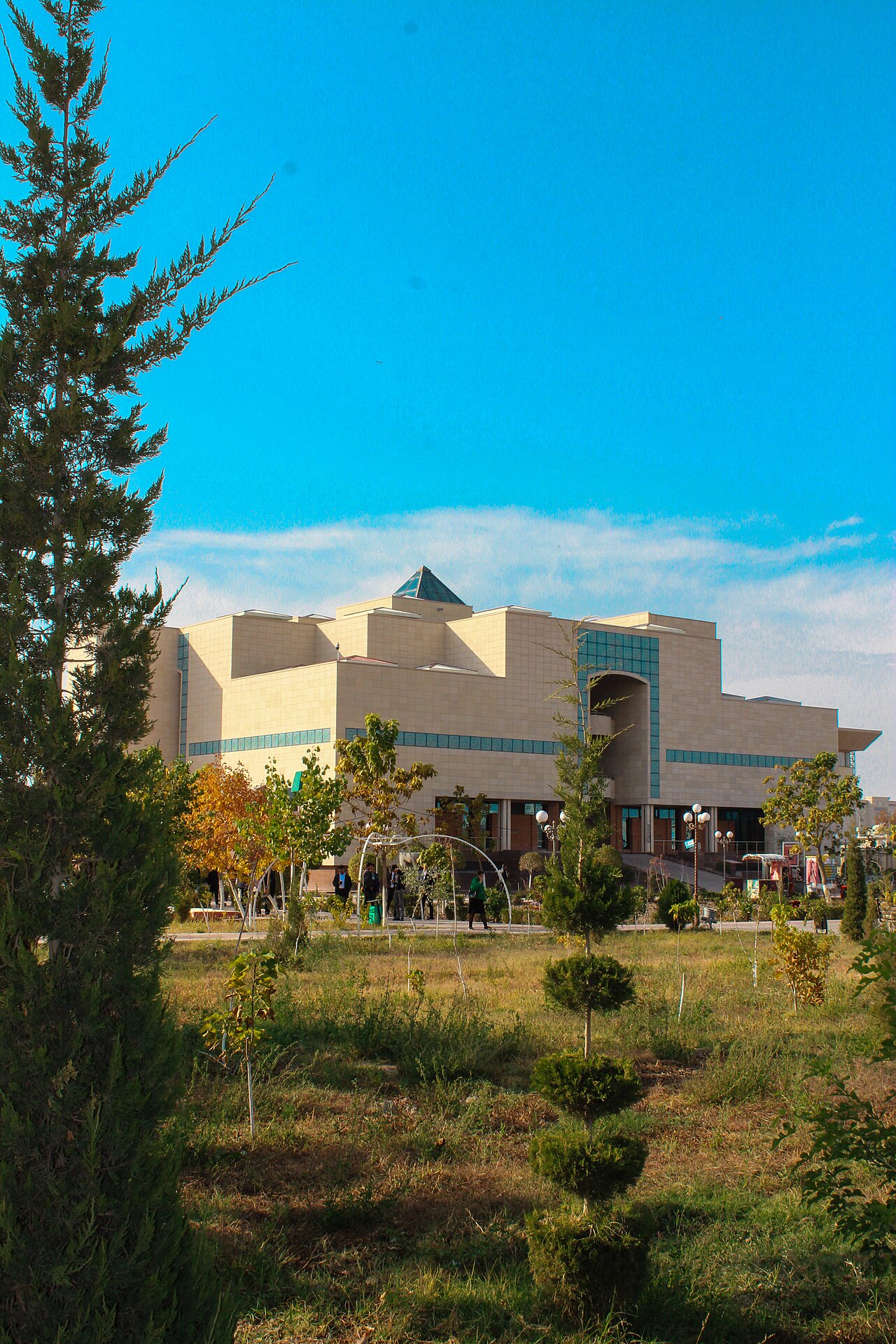
The Aral Sea was once the fourth-largest lake on the planet, all but vanished within a few decades after the rivers feeding it were diverted. Today it is one of the world's most vivid environmental catastrophes: the former port of Muynak hundreds of kilometres from the water and rusting ships on the dried-up seabed. To come here is to see not natural beauty but the consequences of human interference with nature. This guide covers how to get there, what to see, and how to organise the trip from Nukus.
What is the Aral Sea today?
To go to the Aral is to see not natural beauty but the consequences of human interference with nature. It is a heavy but powerful impression: desert where, within one generation's memory, a sea once lapped, and ships in the sand a hundred kilometres from the present shore. At the same time, in recent years a process of partial restoration of the northern part of the sea has begun, though the long-term consequences are not yet clear.
A trip to the Aral is a separate one- or two-day destination, not a day excursion. The base is Nukus, the capital of Karakalpakstan; the city itself and the Savitsky Museum are in our Nukus in one day guide. How to fit the west into the wider plan is in Uzbekistan in 14 days.
What to see in Muynak and at the ship cemetery?
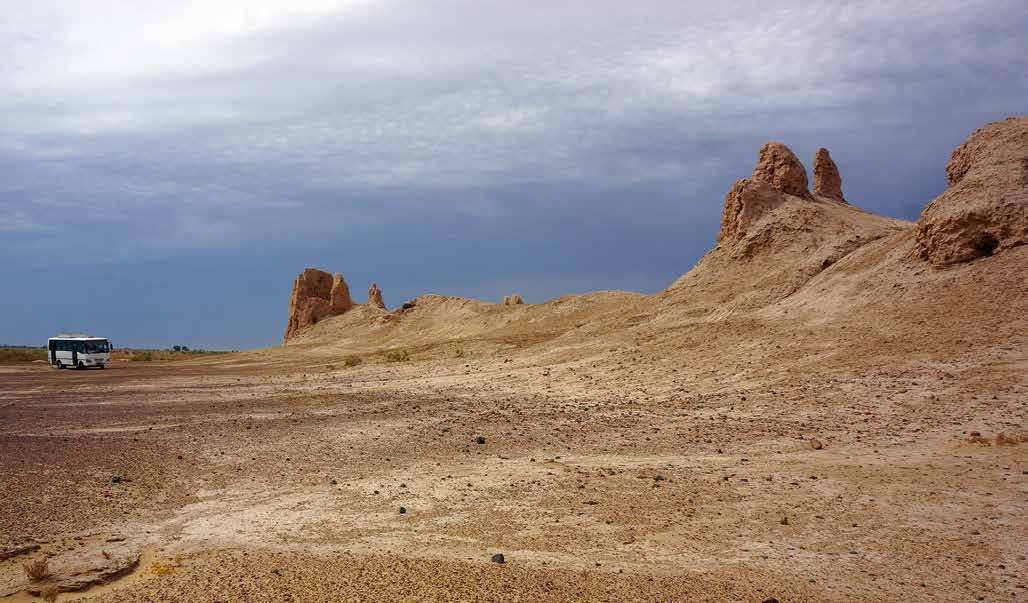
Muynak today is almost a ghost town: when the water left, so did the fishing economy and most of the residents. To walk down the stairs onto the former seabed and up to the rusting ships is the most powerful experience of the trip. Many come to Muynak on a day trip from Nukus, without an overnight: to see the ship cemetery and return. Since 2018 Muynak has also hosted an electronic music-and-environment festival, Stihia.
Ships in the middle of the desert, a hundred kilometres from water — Muynak shows what a person can do to a sea in a single human lifetime. It is not a monument but a warning.
Is it worth going to the Aral shore itself?
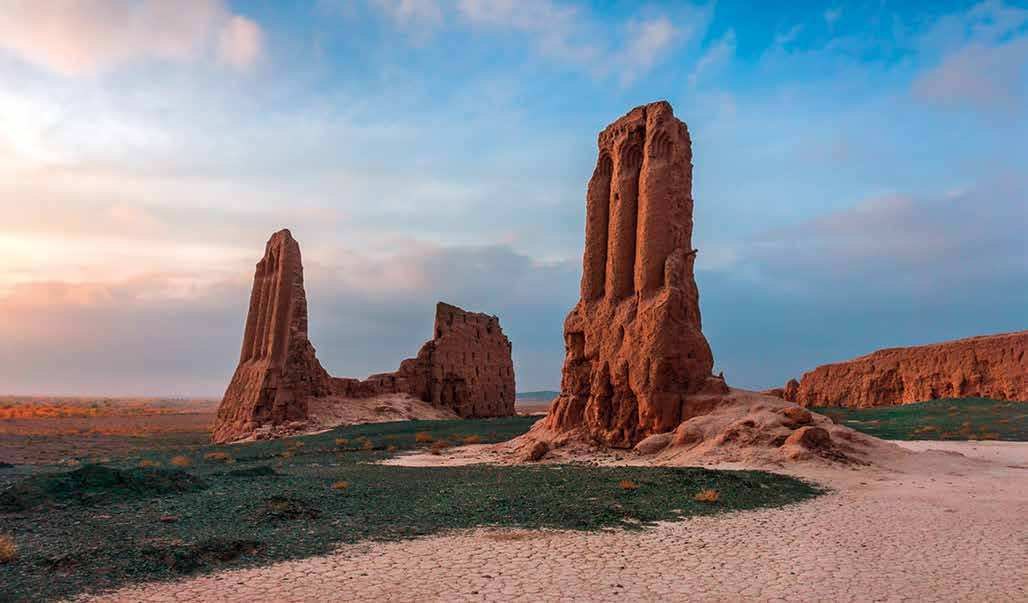
The road to the shore is part of the experience: the Martian landscapes of Ustyurt, red canyons, the Barsa-Kelmes salt flats. But it is long and bumpy, so not everyone needs it: you can grasp the essence of the catastrophe in Muynak in a day. The full trip to the shore with a yurt is taken by those who want not just to "tick it off" but to spend a night at the edge of a vanished sea. Bring motion-sickness medicine — the road is off-road.
What to see on the way to the Aral?
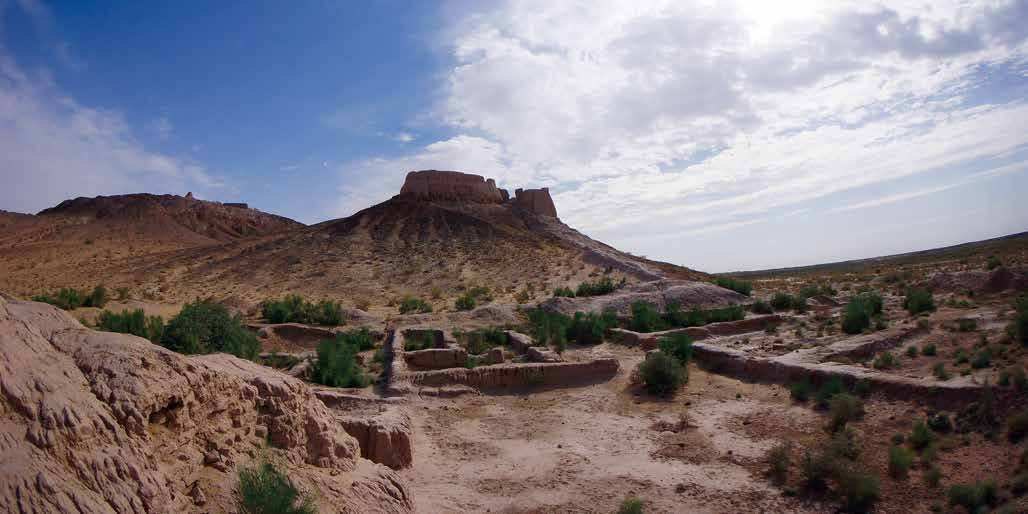
These antiquities are a reminder that the west of the country has been settled for thousands of years. Gyaur-Kala was a Zoroastrian settlement, and Mizdakhan remains a place of pilgrimage. Many tours combine the ship cemetery with these stops, so check the programme in advance. On Nukus itself and its museum, see our Nukus in one day guide.
How to organise a trip to the Aral?
The best season is spring and autumn: summers in the west are very hot, winters cold and windy. Take warm clothes for the night (the desert has a sharp swing), water and motion-sickness medicine. Many make the Aral the final, most powerful point of the western route after Khiva and Nukus. How to link this with the rest of the trip is in our Khiva in three days guide.
Frequently asked questions about the Aral Sea
Is the Aral Sea worth visiting?
Worth it if you want to see one of the world's most vivid environmental catastrophes and grasp its scale. It is a heavy but powerful impression: the former port of Muynak hundreds of kilometres from the water and a cemetery of rusting ships on the dried-up seabed. For many it is the most memorable part of a trip to Uzbekistan.
How do you get to the Aral Sea?
The base is Nukus. To Muynak with the ship cemetery — about 200 km and three hours, possible as a day trip. To the sea shore itself — another few hours off-road by 4WD across the Ustyurt plateau, usually as a '2 days / 1 night' format with an overnight in a yurt. The shore requires prepared transport and an organised tour.
What is the ship cemetery in Muynak?
It is a dozen fishing vessels standing on the former bed of the Aral Sea in the sand, in the former port of Muynak. When the sea left, the ships remained rusting on dry land more than a hundred kilometres from the present water. Nearby are a viewing platform, a lighthouse and a small Aral museum — the main symbol of the catastrophe.
How many days do you need for the Aral Sea?
It depends on the depth of the trip: the ship cemetery in Muynak can be seen on a day trip from Nukus, while reaching the sea shore with an overnight in a yurt needs a '2 days / 1 night' format. If the Savitsky Museum in Nukus is also on the plan, allow two to three days for the whole western block.
Is the Aral Sea recovering?
In recent years a process of partial restoration of the northern part of the sea has begun, which gives hope, but the long-term consequences are not yet clear, and the southern part within Uzbekistan remains in a severe state. A trip to the Aral still shows above all the scale of the catastrophe rather than its reversal.
Want to see Uzbekistan the way the people who live here see it?
Become a Kvazar Explorer →