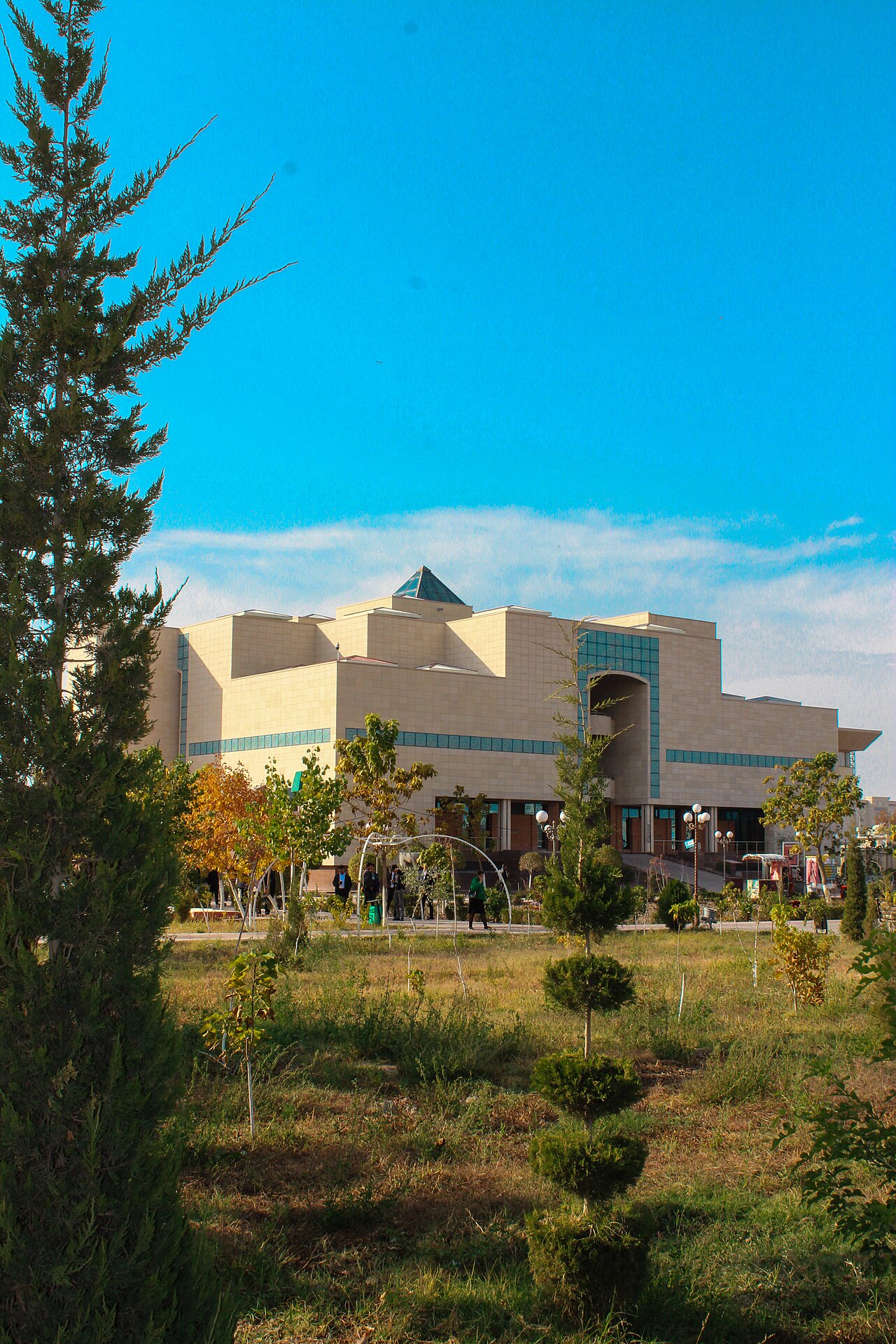
Nukus stands apart from the golden triangle: another republic, another landscape, another language. People come here above all for the Savitsky Museum — one of the world's finest collections of Soviet avant-garde, ended up in the desert capital of Karakalpakstan. Beyond the museum, Nukus is the gateway to the Aral Sea and to the region's pre-Islamic antiquities. This guide shows what to fit into a day, what to see out of town, and how to link Nukus with Khiva and the Aral.
Why go to Nukus?
Nukus stands apart from the golden triangle: another republic, another landscape, another language. People do not come here for domes — they come for art, for the environmental story of the Aral, and for the edge of the world, where the desert passes into a former seabed. For many travellers this is the most unexpected and memorable part of the trip, precisely because it resembles nothing else.
One day in Nukus is the Savitsky Museum and, if you wish, the nearby antiquities out of town. The Aral itself requires a separate one- or two-day trip, covered in our Aral Sea from Nukus guide. How to reach Khiva and back is in our Khiva in three days guide, where Nukus is mentioned as a western continuation of the route.
What is the Savitsky Museum?
The museum's paradox is that world-class avant-garde ended up in a desert city hard to reach — and it is this remoteness that saved it. A walk through the halls feels like stepping into a museum in Paris or Berlin in the middle of the steppe. Note that part of the collection is periodically closed for restoration, so it is best to check the current state of the halls on site. Allow at least an hour and a half to two hours for the museum.
World avant-garde in the remote desert — the Savitsky Museum was saved by the very fact that it is hard to reach. What was burned and hidden in the capitals survived at the edge of the world, in Nukus.
What else to see in the city and nearby?
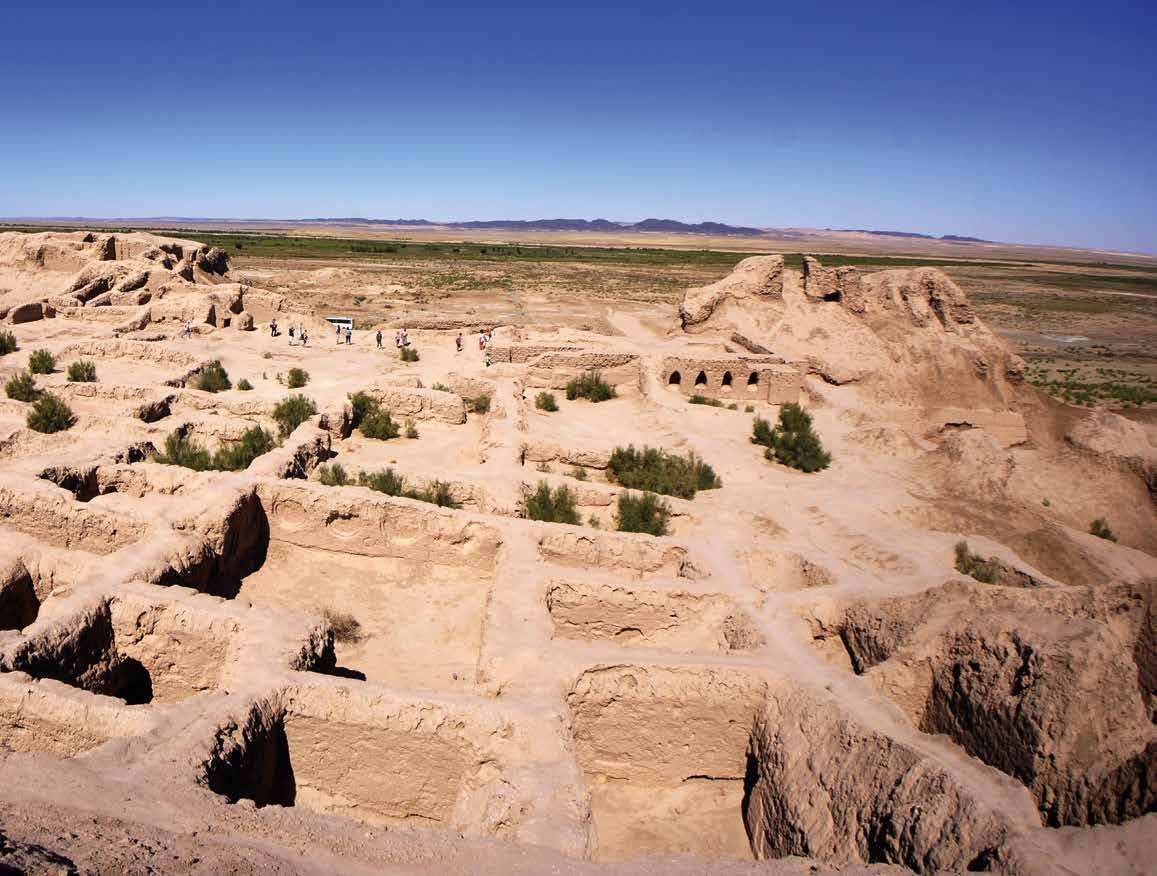
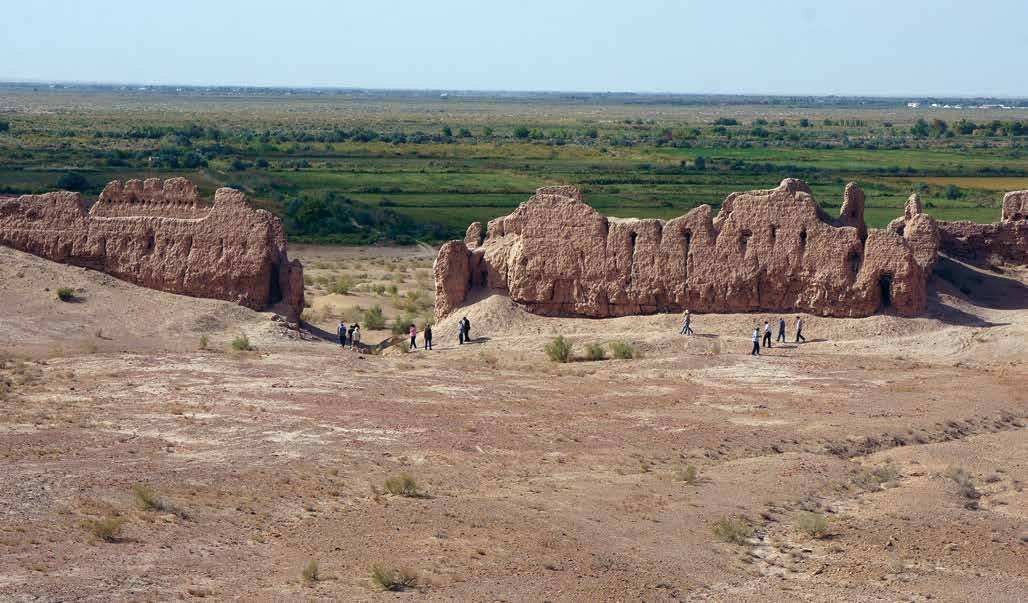
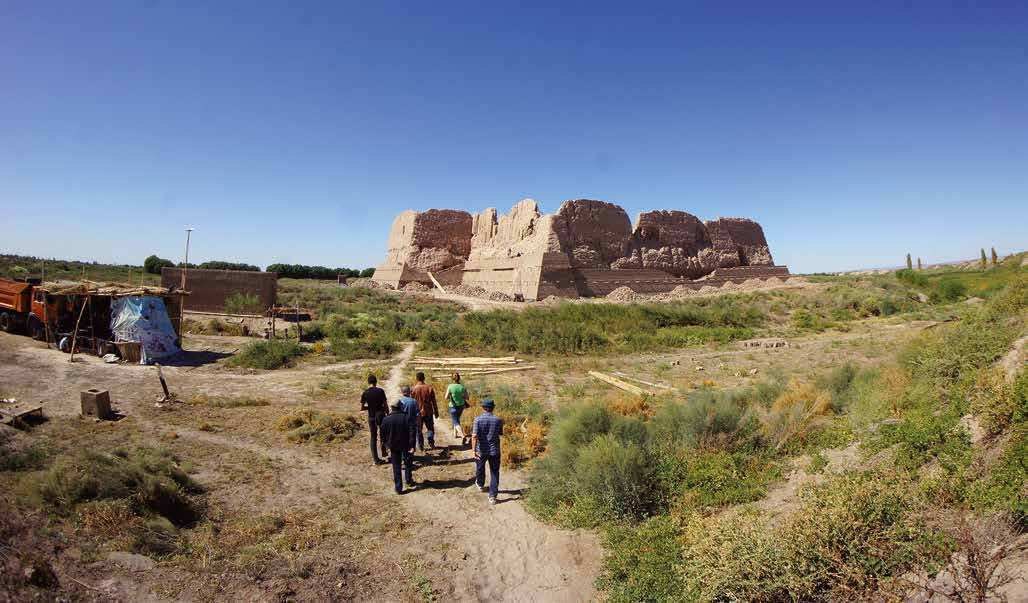
These antiquities are a pre-Islamic layer on the lands of modern Uzbekistan: Gyaur-Kala was a Zoroastrian settlement with a fire temple, and Mizdakhan remains a place of pilgrimage with mausoleums of various centuries. On the road toward Khiva stands Chilpik-Kala too — a Zoroastrian tower of silence. Together with the museum, this makes Nukus an unexpectedly deep cultural stop: 20th-century avant-garde and antiquities more than two thousand years old in one trip.
How do you reach Nukus?
Nukus is almost always either a separate flight for the museum and the Aral, or a continuation of the Khiva route westward. If the Aral is on your plan, Nukus is the logical base: trips to Muynak and the ship cemetery leave from here. How that trip works is in our Aral Sea guide, and the whole western route is in Uzbekistan in 14 days.
When to go, and how much time to allow?
Nukus is rarely an end in itself for a single day — usually it is part of a larger western plan: the museum plus the Aral. If you have already reached this far corner of the country, it makes sense to see both. The city itself is calm and safe; Karakalpak culture and cuisine add a colour to the trip not found in the centre of the country.
Frequently asked questions about one day in Nukus
Is Nukus worth visiting?
Worth it if you are interested in the Savitsky Museum — one of the world's finest collections of Soviet avant-garde, ended up in the desert capital of Karakalpakstan. Nukus also serves as the gateway to the Aral Sea and to the region's Zoroastrian antiquities. It is the most unexpected part of the trip and unlike the rest of the country.
What to see in Nukus in one day?
Above all the Savitsky Museum (allow an hour and a half to two hours), and, if time allows, the Zoroastrian antiquities out of town: the Mizdakhan necropolis and the ruins of the Gyaur-Kala fortress of the 4th century BC. The city itself is calm: a central square, a monument to the poet Berdakh, a drama theatre.
What is the Savitsky Museum famous for?
Igor Savitsky assembled in Nukus, far from the capitals, a vast collection of 1920s–1930s Soviet avant-garde, saving art banned in the centre of the country. Today it is one of the largest such collections in the world, for which the museum is called the 'Louvre of the Steppe'. Part of the collection is periodically closed for restoration — check on site.
How do you get to Nukus?
The fastest way is a flight from Tashkent (about an hour and a half); there are also trains. Overland, Nukus is linked to Khiva (about three hours by car), so it is convenient to visit in combination with the western route. Many arrive in Nukus from Khiva, continuing the trip further west to the Aral.
Do you need to go to Nukus for the Aral Sea?
Yes, Nukus is the logical base for a trip to the Aral: tours to Muynak with the ship cemetery and to the sea shore leave from here. The Aral itself requires an extra day or two beyond seeing the city. If the Aral is on your plan, it is sensible to combine the Savitsky Museum and the trip to the sea in one western journey.
Want to see Uzbekistan the way the people who live here see it?
Become a Kvazar Explorer →