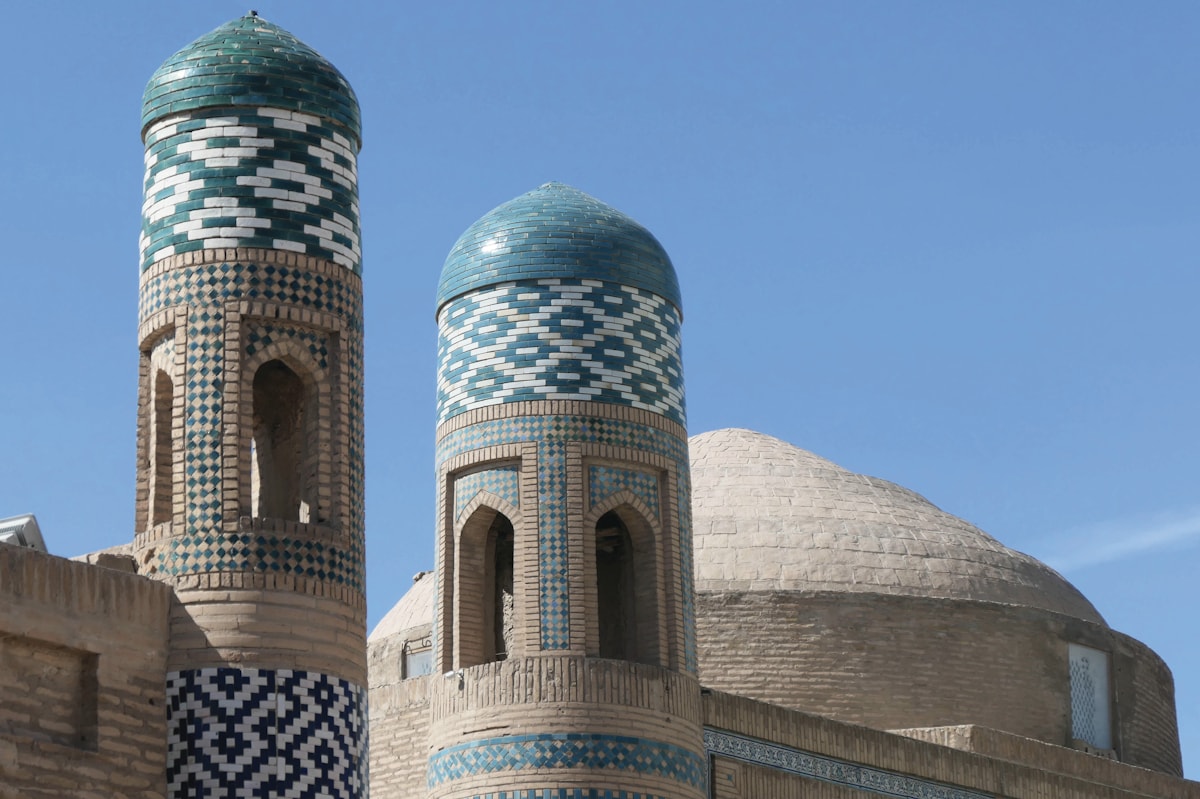
Khiva is the most compact and complete of Uzbekistan's cities, and its strength is not the number of sights but the atmosphere. Two days give both the fortress-town and its ancient prehistory in the desert. The third day is not "more monuments" but a choice: either live Khiva slowly, see its crafts and catch the empty morning and sunset, or honestly turn it into the first day of a quite different journey — to the Aral. This guide lays out both scenarios.
Why does Khiva need a third day?
Khiva is the most compact and complete of Uzbekistan's cities, and its strength is not the number of sights but the atmosphere. Two days give both the city and its ancient prehistory in the desert. The third day is about either living Khiva from within, as locals do, or honestly admitting that what lies beyond is a different journey — to the dried-up Aral.
The logic is simple: the first two days are Itchan Kala and the Khorezm fortresses (their routes are in our one day and two days guides), the third is either a slow craft day inside the walls or the start of a big westward route to Nukus and the Aral.
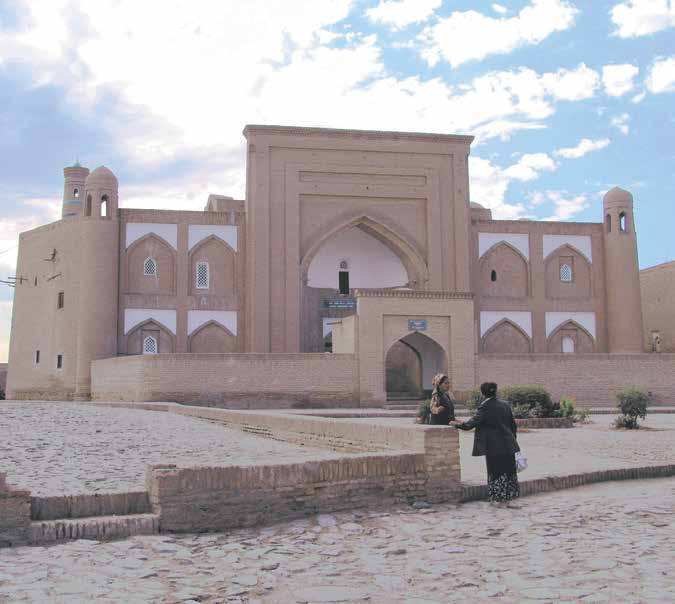
What do the first two days look like?
The detailed routes for the first two days are in separate guides. One thing matters here: by the third day you have seen both the ceremonial Khiva inside the walls and its two-thousand-year prehistory in the sands, so the third day is about pace and a choice of direction, not about collecting more sights.
What crafts are worth seeing in Khiva?
Woodcarving is Khiva's signature: columns, doors and mihrabs are made by hand in a tradition centuries old. A slow third day inside the walls is the best way to see this without rushing: step into a workshop, talk to a master, understand the difference between schools. Which of the country's crafts truly merit attention is in our crafts of Uzbekistan guide; Khivan carving is kept there separate from, say, Fergana silk.
For two days you photograph Khiva's carved columns. The third day is about seeing how they are carved. The city turns from a stage set into a workshop.
How to live a slow day in Khiva?
This is exactly why it is worth sleeping inside the walls: daytime Khiva is packed with tours from Urgench, while the morning and evening belong to those who stayed. The third day cements what people come to Khiva for — the sense that you are briefly living in a medieval city rather than inspecting it.
And if you go further — Nukus and the Aral?
The fork is an honest one: either the third day stays a quiet finale to the Khiva part and you turn back east, or it becomes the first day of a quite different journey — to the Aral, one of the country's most powerful and saddest places. How that trip works is in our Aral Sea from Nukus guide. Do not try to see the Aral "in a day from Khiva" — the distances do not allow it.
Where to go next from Khiva?
Khiva is the western peak of the route; further east lie Bukhara and Samarkand, further west only the Aral. How to link Khiva with the other cities is in our Bukhara to Khiva and Uzbekistan in 10 days guides.
Frequently asked questions about three days in Khiva
Do you need three days in Khiva?
Itchan Kala and the Khorezm fortresses fit into two days; a third is justified if you want to live Khiva slowly — crafts, empty morning streets, the sunset wall without the rush — or to start a big westward trip to Nukus and the Aral from it. For the walled city alone, two days are enough.
What to do on the third day in Khiva?
Two scenarios: a slow day inside the walls (woodcarving and embroidery workshops, the farther corners of Itchan Kala, shivit oshi, sunset without crowds) or the start of a big westward route — Nukus with the Savitsky Museum and the dried-up Aral. The second is a separate destination over several days, not a day trip.
Can you visit the Aral on the third day from Khiva?
Not in a day: Nukus and the dried-up Aral with its ship graveyard lie considerably further west and require separate days. If the Aral is on your plan, it is wiser to turn the third day into the first day of a western trip than to try to round-trip from Khiva in a day.
Which Khiva crafts are worth seeing?
Above all Khorezmian woodcarving — the patterned columns of the Juma Mosque and the carved doors are still made here. Khorezm is also known for suzani (embroidery) and ceramics. Khivan carving is its own school and should not be mixed with the crafts of other regions.
Should you sleep inside the walls for all three days?
Yes, this is the key advice for Khiva. Staying in a guesthouse inside Itchan Kala gives you the empty city early in the morning and at sunset, once the day groups from Urgench have left. It is the slow morning and evening, not the daytime sightseeing, that leave the strongest impression of Khiva.
Want to see Uzbekistan the way the people who live here see it?
Become a Kvazar Explorer →