Aydarkul and Nurata are the most accessible way to see not cities but the nature and nomadic culture of Uzbekistan. A vast lake at the edge of the Kyzylkum, a night in a yurt by the campfire, a sacred spring and the ruins of an ancient fortress — all of it lies right between Samarkand and Bukhara, so it fits easily into a route. This guide lays out the "2 days / 1 night" trip: what to see along the way, how the yurt camp works, and when is best to go.
Why go to Aydarkul and Nurata?
After the dense Silk Road cities, Aydarkul works as an exhale: quiet, space and a quite different rhythm. It is not "another sight" but a change of register — from architecture to nature and living nomadic culture. A night in a yurt by the campfire, with an akyn's songs and a starry sky free of city light, is what many call the strongest impression of the trip.
The main convenience: Aydarkul and Nurata lie right between Samarkand and Bukhara, so they are easy to build into a route without a detour. How to link the cities is in our Samarkand to Bukhara guide, and an overview of all the mountain and nature areas is in our mountains of Uzbekistan guide.
How to build the two-day route?
This order follows the geography: Sarmishsay and Nurata lie on the way to the lake, so it is logical to see them on the way in and leave Aydarkul itself for sunset and morning, when the light is softer and there are fewer tourists. The rock carvings along the way are in a separate guide, Sarmishsay petroglyphs. The trip is best done with a driver: there is no public transport to the yurts.
What is Lake Aydarkul?
Aydarkul astonishes by the very fact of its existence: a vast lake where you expect only dunes. A walk along the sandy shore at sunset, when the desert cools and the water turns mirror-like, is a quiet climax of the trip. Swimming is most comfortable in the warm months; at other times the lake is good for walks, fishing and birdwatching.
A vast lake in the middle of the desert — Aydarkul overturns everything you thought about Uzbekistan. Here the sands meet water, and the silence is such that you can hear birds calling on the far shore.
How does the yurt camp work?
The yurt is the traditional dwelling of nomads, with a history thousands of years old, and a night in it gives what a hotel cannot: a sense of an ancient way of life and a complete break from city noise. An evening by the campfire with an akyn's improvised songs and falling stars is the "non-touristy" magic worth building this night into the route for. The facilities are usually shared, so it is about atmosphere rather than five-star comfort.
What to see in Nurata itself?
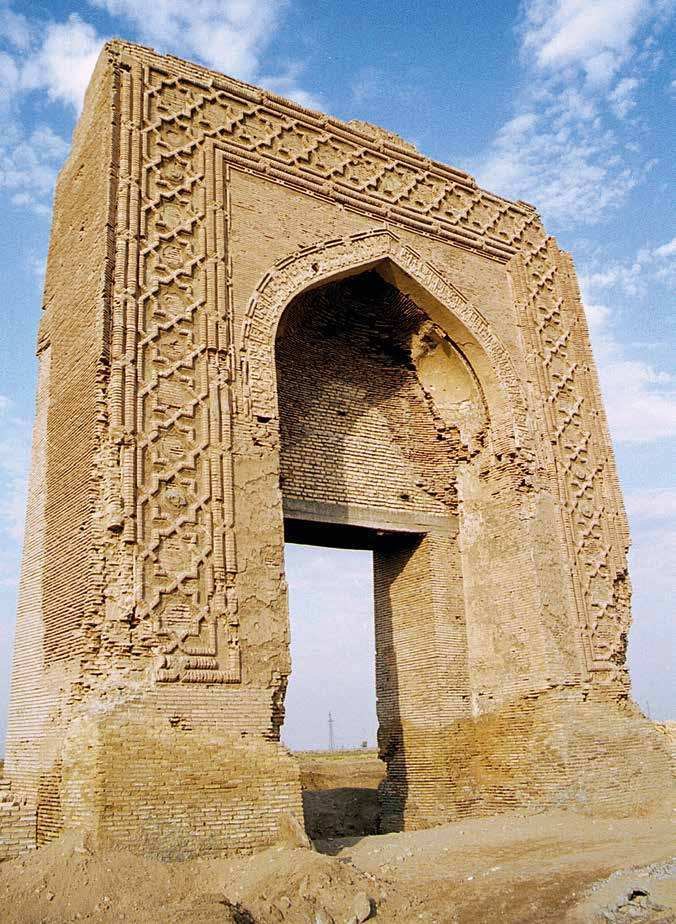
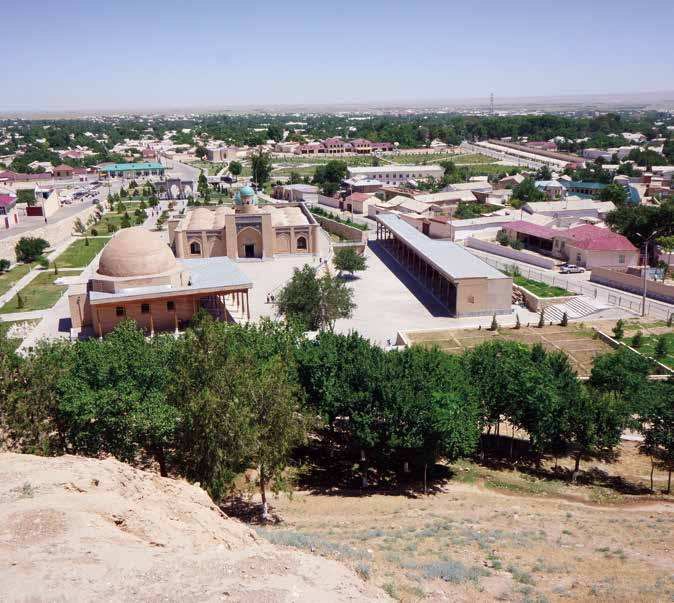
Nurata adds a historical and spiritual layer to the nature part. The fortress on the hill is a reminder that these places were settled as far back as antiquity — long before Islam — and the Chashma spring shows a living tradition of pilgrimage not found in the tourist centres. Half an hour to an hour here on the way to the lake noticeably deepens the trip: this is not just nature but a land with two thousand years of history.
When to go, and what to keep in mind?
A practical tip: do not expect hotel comfort — the yurt is about atmosphere rather than amenities, and that is its value. Lantern light at night is minimal, so the starry sky here is one of the best in the country. How to build this trip into the wider plan is in our 10 and 14-day itineraries.
Frequently asked questions about Aydarkul and Nurata
Is Aydarkul and Nurata worth visiting?
Worth it if you want to see not cities but another Uzbekistan — the desert, a lake and the nomadic way of life. In two days with a night in a yurt you get Lake Aydarkul, camel rides, a starry sky and the Sarmishsay rock carvings along the way. It is a change of register after the dense Silk Road cities and often the strongest impression of the trip.
How many days do you need for Aydarkul?
The classic format is '2 days / 1 night': day one the drive with a visit to Sarmishsay and Nurata and a check-in at a yurt by the lake, day two a morning by Aydarkul and the onward transfer. More time is needed only if you want to add a homestay in the mountain villages of the Nurata range.
How do you reach Aydarkul and the yurt camp?
The easiest way is with a driver: the lake and the yurts lie in the Kyzylkum desert right between Samarkand and Bukhara, so the trip is easy to combine with the transfer between the cities. There is no public transport to the yurts. Along the way people see the Sarmishsay petroglyphs and the town of Nurata.
What is a night in a yurt like?
The Kazakh-type yurts are decorated with carpets and felt shirdaks, clean and cosy inside. The programme usually includes a camel ride, dinner by the campfire, songs by a local akyn and a starry sky. The facilities are usually shared — it is an experience about atmosphere and the nomadic way of life rather than hotel comfort.
When is best to go to Aydarkul?
Spring and autumn have milder weather; in summer the desert is hot by day, but a swim in the lake is the remedy, and yurt nights are cool in any season. Take warm clothes for the evening because of the sharp temperature swing, a hat and water. The starry sky here is one of the best in the country thanks to the absence of light pollution.
Want to see Uzbekistan the way the people who live here see it?
Become a Kvazar Explorer →