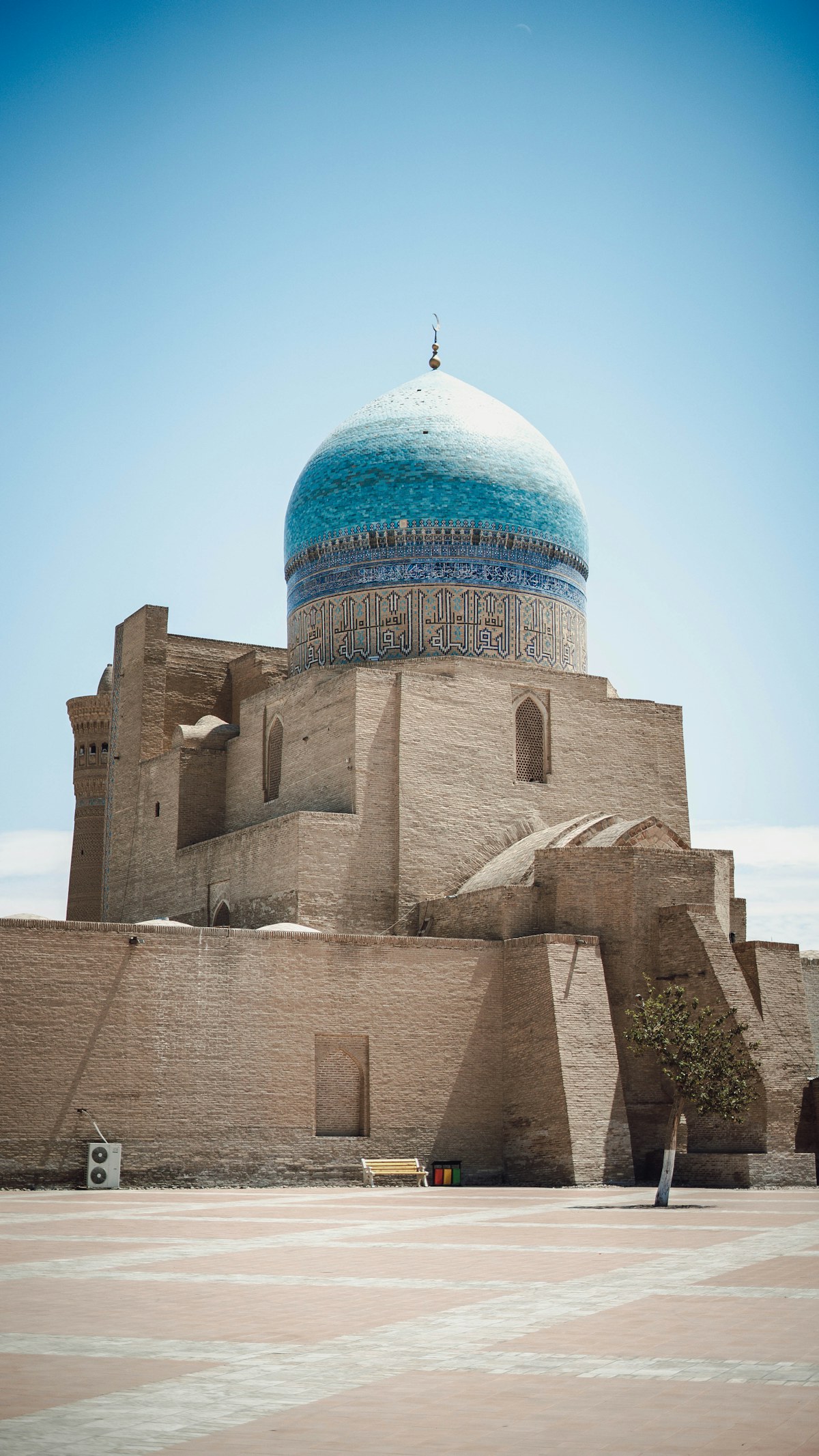
Two days cover Bukhara as a city and as an emirate. The third day poses a choice of depth: either drive to the potters of Gijduvan, where the craft has run unbroken for generations, or stay and live Bukhara slowly — workshops, a hammam, a dawn Poi-Kalyan without crowds. Bukhara is one of the country's best cities for craft, and this guide lays out both scenarios for the third day so that it adds craft depth to the trip rather than another list of ticks.
What does a third day in Bukhara give you?
Two days explain Bukhara as a city and as an emirate. The third day is a choice of depth: either drive to the potters of Gijduvan, where the craft has run unbroken for generations, or stay in Bukhara and live it slowly — workshops, a hammam, a teahouse by Lyabi-Hauz without the rush. Bukhara is one of the country's best cities for craft, and the third day is logically devoted to exactly that.
The logic is simple: the first two days are the city and the emirate's surroundings (their routes are in our one day and two days guides), the third is either a day trip to Gijduvan or a slow craft day in Bukhara. The Gijduvan trip fills a half-day to a day and is easily combined with the drive toward Samarkand.
What do the first two days look like?
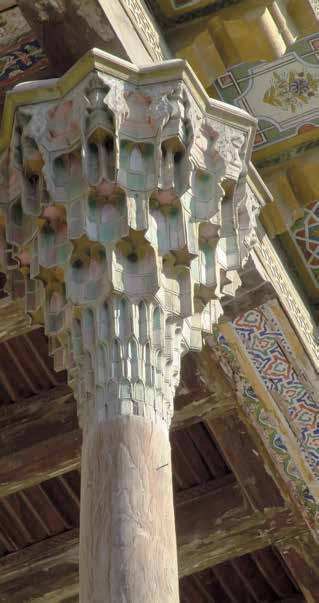
The detailed routes for the first two days are in separate guides. One thing matters here: by the third day you have seen both the trading and the spiritual Bukhara, so the third works as an immersion in craft — either at the masters in Gijduvan or in Bukhara's own workshops.
Is Gijduvan worth the trip for ceramics?
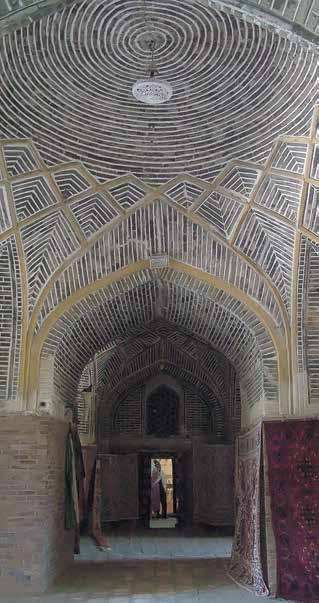
The Gijduvan school is a warm, earthy palette and a distinctive floral ornament, and it differs fundamentally from, say, the Rishtan turquoise of the Fergana Valley: these are different schools, and they should not be confused. Gijduvan's value is that the craft here is not reconstructed for tourists but genuinely unbroken — you enter a working family workshop, not an attraction.
Bukhara's old town shows what was sold here. Gijduvan shows what was made here by hand — and is still made the same way as a century ago.
How do you reach Gijduvan, and what to keep in mind?
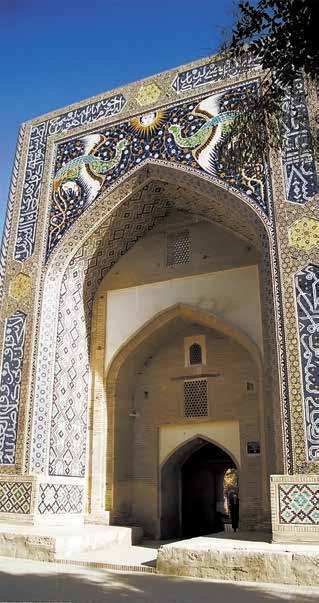
It is practical to fit Gijduvan into a transfer day: leave Bukhara in the morning, spend a few hours with the potters over a master class and lunch, then continue to Samarkand. The same road holds other "non-postcard" sites — the Rabat-i-Malik caravanserai and the 12th-century Vabkent minaret. Which of the country's crafts merit attention is in our crafts of Uzbekistan guide.
And if you stay in the city — how to fill the third day?
A third day in Bukhara itself is good because it removes the museum rush of the first days: you can return to the Kalyan minaret early in the morning when the square is empty, step into a workshop and talk to a craftsman, try a historic hammam for the experience. Bukhara rewards a slow pace more than many cities — it is for living in, not for ticking off.
Where to go next from Bukhara?
Bukhara is the second peak of the "golden triangle", so three days here link conveniently with its neighbours. How to travel onward is in our Samarkand to Bukhara and Bukhara to Khiva guides, and how to fit the city into the wider plan is in the 10-day itinerary.
Frequently asked questions about three days in Bukhara
Do you need three days in Bukhara?
The city and its surroundings fit into two days; a third is justified if you want to add Gijduvan ceramics or to live Bukhara slowly, with crafts and a hammam. It is a day of immersion in craft — either at the masters in Gijduvan or in Bukhara's own workshops, without the rush of the first days.
What to do on the third day in Bukhara?
The main option is a day trip to Gijduvan, a ceramics centre an hour away, with a wheel master class and lunch with the masters. The alternative is a slow day in Bukhara itself: workshops around Lyabi-Hauz and in the trading domes, a historic hammam, a dawn return to Poi-Kalyan without crowds.
How do you get from Bukhara to Gijduvan?
Gijduvan is about 45–50 km and an hour on the road toward Samarkand. The easiest way is with a driver — either as a separate half-day trip or as a stop during the transfer to Samarkand. The same road holds the Rabat-i-Malik caravanserai and the Vabkent minaret.
How does Gijduvan ceramics differ from Rishtan?
They are different schools and should not be confused. Gijduvan ceramics are a warm, earthy palette with a distinctive floral ornament; Rishtan, from the Fergana Valley, is a recognisable turquoise and blue on white. Both traditions are alive, but each has its own recognisable hand and its own masters.
Is Gijduvan worth it if you have already seen Bukhara's domes?
Worth it if you want to see the craft at work rather than finished pieces on a stall. Bukhara's trading domes sell ceramics; Gijduvan makes them — whole dynasties at the wheel and the kiln. A wheel master class gives an understanding you cannot buy in a shop.
Want to see Uzbekistan the way the people who live here see it?
Become a Kvazar Explorer →