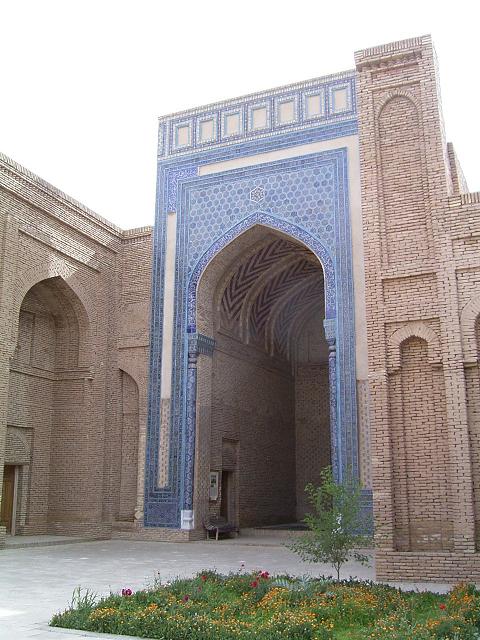
Termez opens a quite different chapter of Uzbekistan from Samarkand and Bukhara: not turquoise domes but Buddhist stupas, Greco-Bactrian fortresses and layers of pre-Islamic civilisations on the bank of the Amu Darya. It is about the depth of time rather than ceremonial architecture. This guide shows what you can realistically fit into one day — the Buddhist-archaeological core plus the main Islamic monument — and what to keep in mind in a frontier city on the far south of the country.
Why go to Termez?
If the whole classic Uzbekistan route is turquoise domes and minarets, Termez shows what came before them. Here, on the lands of modern Uzbekistan, Buddhism, Zoroastrianism, Hellenism and Islam coexisted over two thousand years. Termez is about the depth of time rather than ceremonial architecture: people come not for a postcard but for the rare feeling of pre-medieval Asia.
One day in Termez is its Buddhist-archaeological layer plus the main Islamic monument. The city is small (about 150,000 people), and the sites are scattered on the outskirts, so it is most logical to take a car with a driver for the day. How to get there and how to stretch the route over two days is in our Samarkand to Termez and Termez in two days guides.
Where to start — the Archaeological Museum?
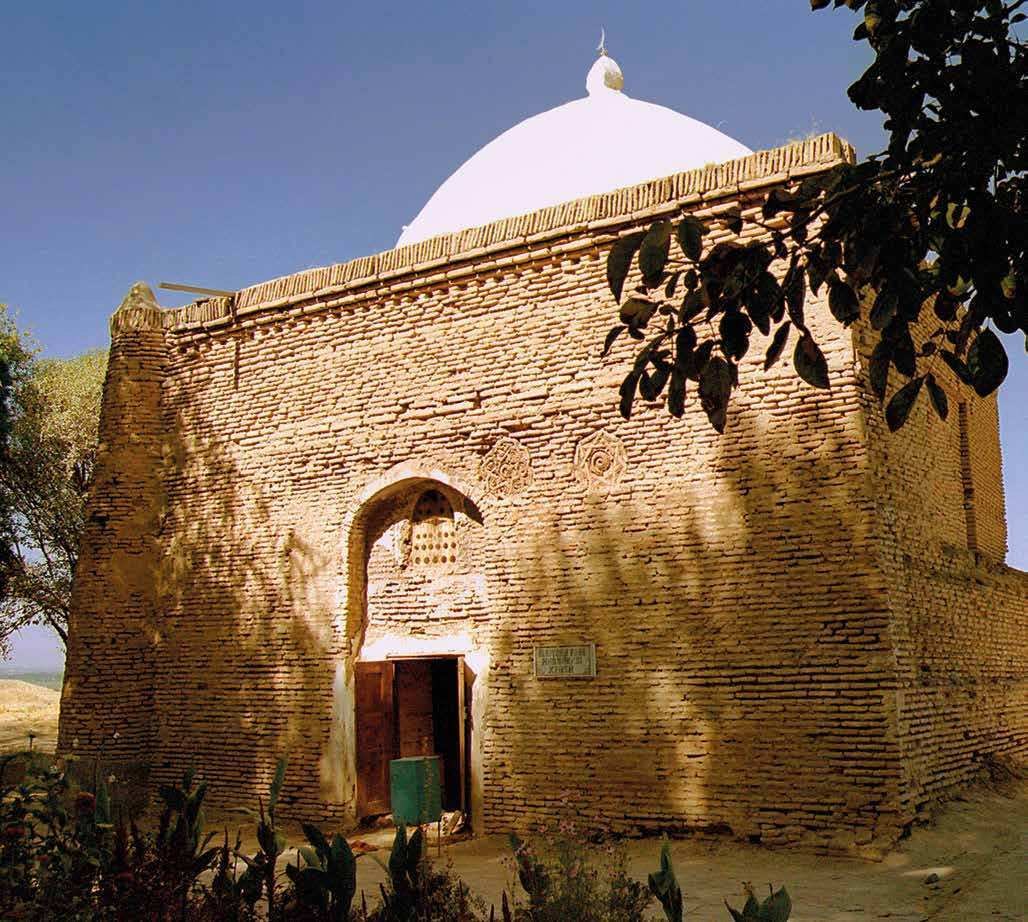
The museum in Termez is not a box to tick before setting out but the framing idea of the whole day: its collection of Buddhist sculpture and finds is unique in Central Asia. Half an hour to an hour here markedly changes how you see Fayaz-Tepe and Zurmala — you already understand what civilisation left these traces. So the museum comes first on the route.
What Buddhist heritage to see in a day?
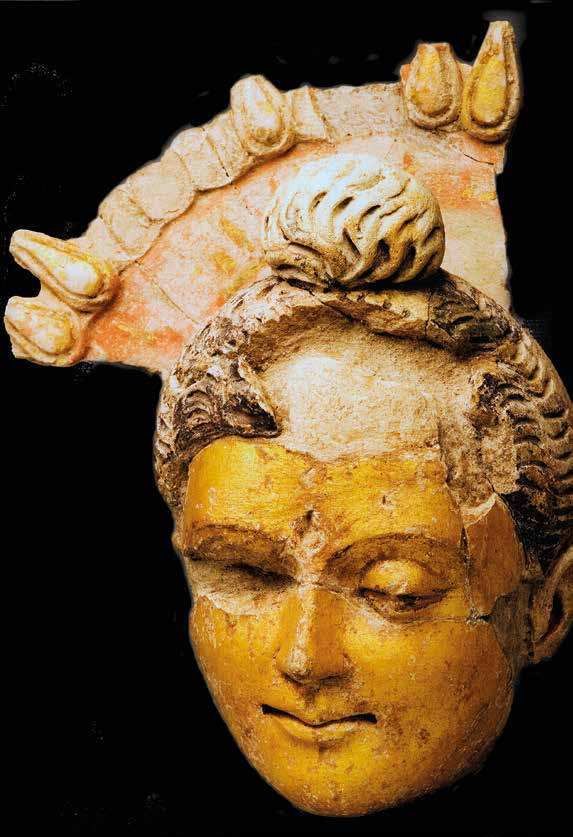
These are traces of the time when, from the 1st to the 7th century, Termez was one of the centres of Buddhism in Central Asia — long before Islam. Fayaz-Tepe gives a whole monastery: courtyard, cells, stupa; Zurmala is a pure monument, a huge brick pillar you walk to across a field from the road. Nearby is Kara-Tepe too — a Buddhist cave complex — but it lies right against the Afghan border, and access sometimes requires a permit from the border service: this is best checked in advance, so it is risky to build it into a one-day route.
The whole country shows Islamic Uzbekistan. Termez shows what was there a thousand years before it — Buddhist monks on the bank of the same Amu Darya. Not an exotic curiosity, but a forgotten layer of the same land.
What of Islamic Termez to see the same day?
Al-Hakim at-Tirmidhi is a world figure born on the lands of modern Uzbekistan: a theologian and theorist of Islamic mysticism whose works were known far beyond the region. His mausoleum stands right by the river, and from this point you see how much Termez is a frontier, borderland city. So in one day the layers come together: Buddhist antiquity, Islamic spirituality and the living border on the Amu Darya.
What is the border with Afghanistan and the Friendship Bridge?
The border location is part of Termez's character, not a cause for anxiety: the city is calm and hospitable. It is worth remembering only that some sites right at the border (like Kara-Tepe) may require a permit, and the bridge and border zone are not photographed. Otherwise the country's southern edge welcomes the traveller as warmly as the centre.
Frequently asked questions about one day in Termez
Is Termez worth visiting?
Worth it if you are interested in pre-medieval Asia, not only Islamic architecture. Termez is the only place in Uzbekistan where Buddhist stupas, Greco-Bactrian fortresses and Islamic shrines converge so densely. It is about the depth of time: in one day you see layers of Buddhism, Hellenism and Islam on the bank of the Amu Darya at the Afghan border.
What to see in Termez in one day?
Optimally: the Archaeological Museum (as a key to everything), the Buddhist monastery of Fayaz-Tepe, the Zurmala stupa, the mausoleum of al-Hakim at-Tirmidhi and, if time allows, the Sultan Saodat ensemble. The sites are scattered on the outskirts, so it is most convenient to see them with a car and driver for the day.
Can you get into Kara-Tepe?
Not always: the Buddhist cave complex of Kara-Tepe lies right against the Afghan border, and access sometimes requires a border-service permit arranged in advance. The situation changes, so it is best to check the current status locally, for example at the Archaeological Museum. It is risky to build it into a one-day route — take Fayaz-Tepe and Zurmala instead.
How safe is Termez at the border with Afghanistan?
Termez is a calm and hospitable city, and its border location does not make it dangerous to visit. It is worth remembering only about restricted sites: the Friendship Bridge and the border zone are not photographed, and some monuments right at the border may require a permit. Otherwise the south welcomes you as warmly as the centre of the country.
When is best to go to Termez?
In spring (April–May) and autumn (September–October): summers in the south are very hot, up to 45°C. Winters are mild. Because of the heat, the Buddhist-archaeological route across open sites is more comfortable in the shoulder seasons, when walking across fields to the stupas is not exhausting.
Want to see Uzbekistan the way the people who live here see it?
Become a Kvazar Explorer →