Experiences

Not what there is to see. What there is to live through.

Today I want to taste it

Choose a mood

Today I want to…

Taste it

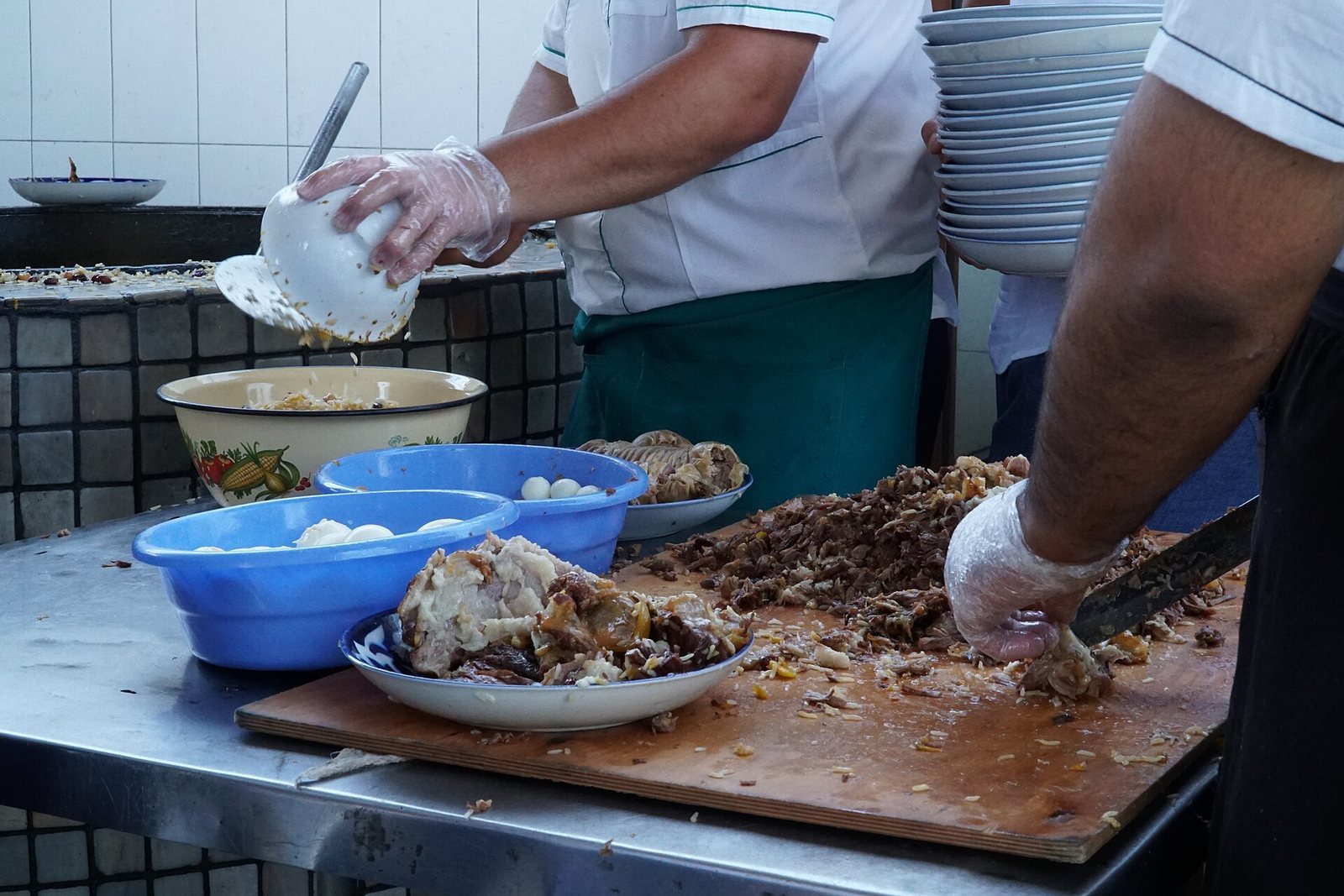
Where to Find the Best Plov in Tashkent

In Uzbekistan you don't eat plov in a restaurant but at the cauldron — and timing matters more than the address. The city's best plov goes not to whoever found the right place, but to whoever arrived before the cauldron ran dry.

11 in this section

Eat somewhere

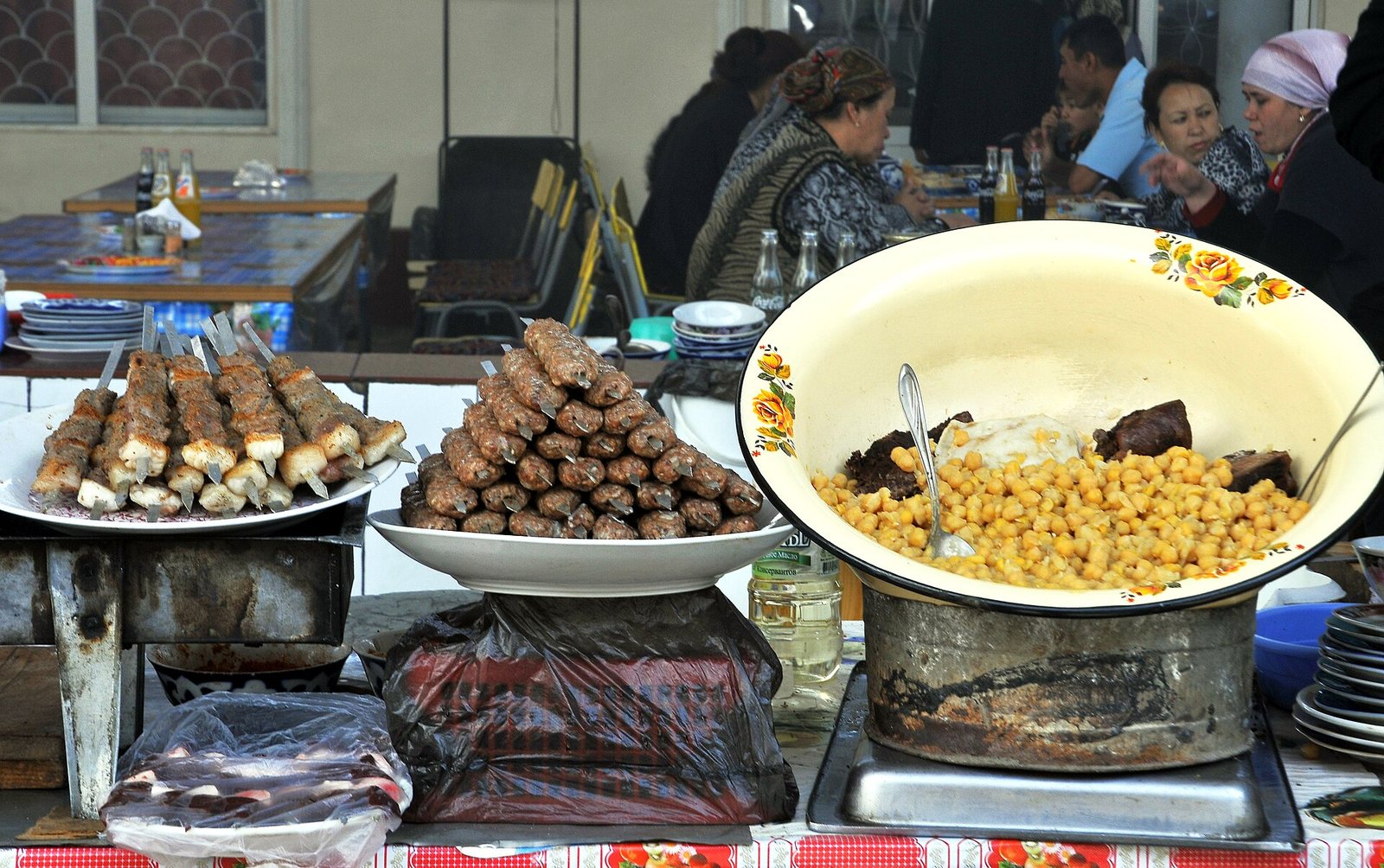
The Chaikhana: Why Everything in Uzbekistan Is Settled Over a Bowl of Tea

Pour someone a full bowl of tea and you're politely asking them to leave. Pour a third, and you're glad of them and want them to stay. In the Uzbek chaikhana, tea long ago stopped being a drink: it's the language in which hospitality, respect and unhurriedness are spoken.

4 in this section

Make it

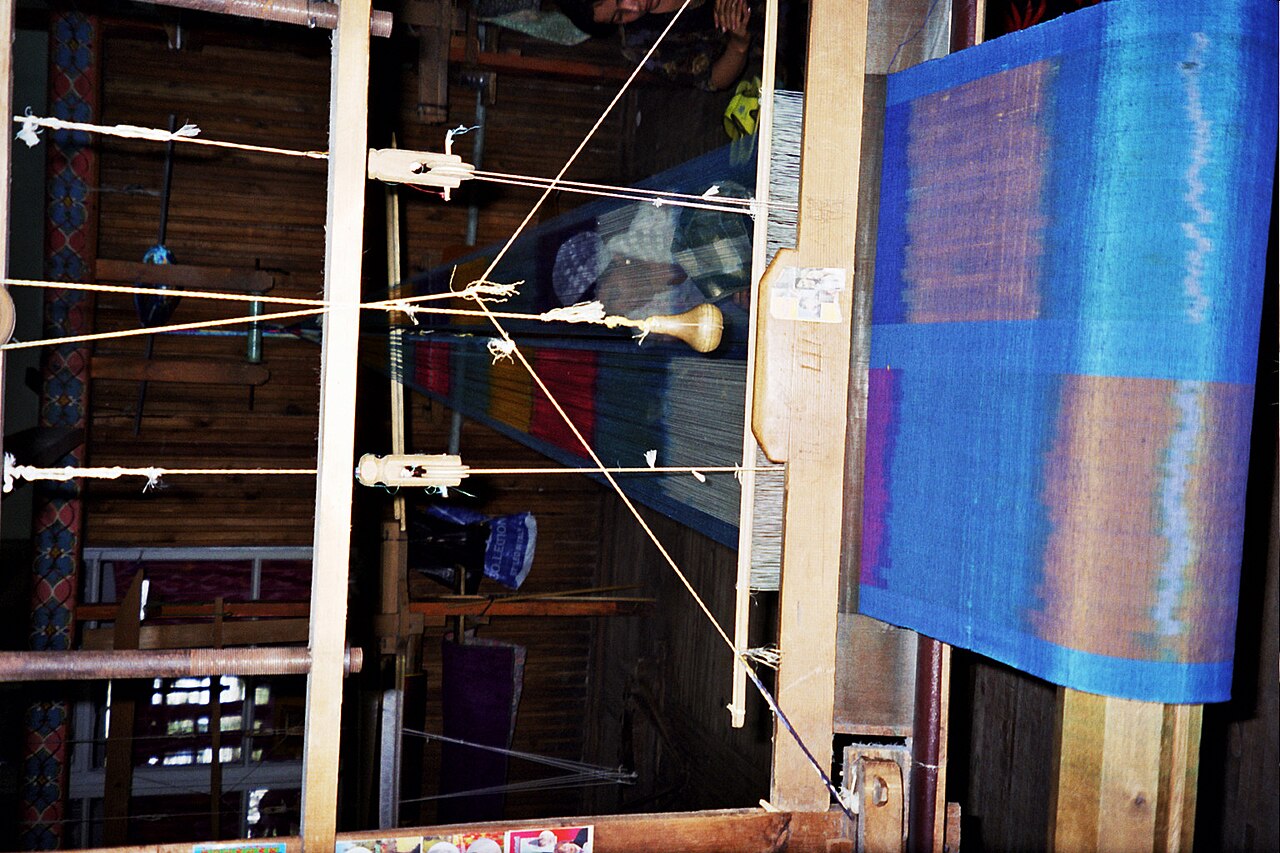
Margilan: The City of Silk and Khan-Atlas

Here the Silk Road isn't a guidebook metaphor but a loom clattering right now. Margilan has made silk by the same hands and the same methods for two thousand years, and here that continuity is not a slogan but a sound in a workshop.

2 in this section

Understand it

Gastronomic Atlas of Uzbekistan

Seven culinary regions, eight schools of plov and the dishes that define them — an interactive food map of Uzbekistan with editors' guides on where to eat.

3 in this section

Experiences

Where to Find the Best Plov in Tashkent

In Uzbekistan you don't eat plov in a restaurant but at the cauldron — and timing matters more than the address. The city's best plov goes not to whoever found the right place, but to whoever arrived before the cauldron ran dry.
Experiences

Margilan: The City of Silk and Khan-Atlas

Here the Silk Road isn't a guidebook metaphor but a loom clattering right now. Margilan has made silk by the same hands and the same methods for two thousand years, and here that continuity is not a slogan but a sound in a workshop.

Experiences

Rishtan: The City of Blue Ceramics

That sky colour you'll take for "Uzbek turquoise" is born here — from the ash of desert plants and local red clay. Rishtan doesn't sell souvenirs; it keeps a recipe its masters have passed down by blood for eight generations.

Food and Cuisine in Uzbekistan

What to eat, where to try it and how Uzbek food rituals actually work. To call manty "big dumplings" is to insult both manty and dumplings.

Gastronomic Atlas of Uzbekistan

Seven culinary regions, eight schools of plov and the dishes that define them — an interactive food map of Uzbekistan with editors' guides on where to eat.

Glossary of Uzbek food terms

Thirty terms that unlock Uzbek cuisine — from kazan and zirvak to dastarkhan and sumalak — each explained in plain words as part of the Gastronomic Atlas.

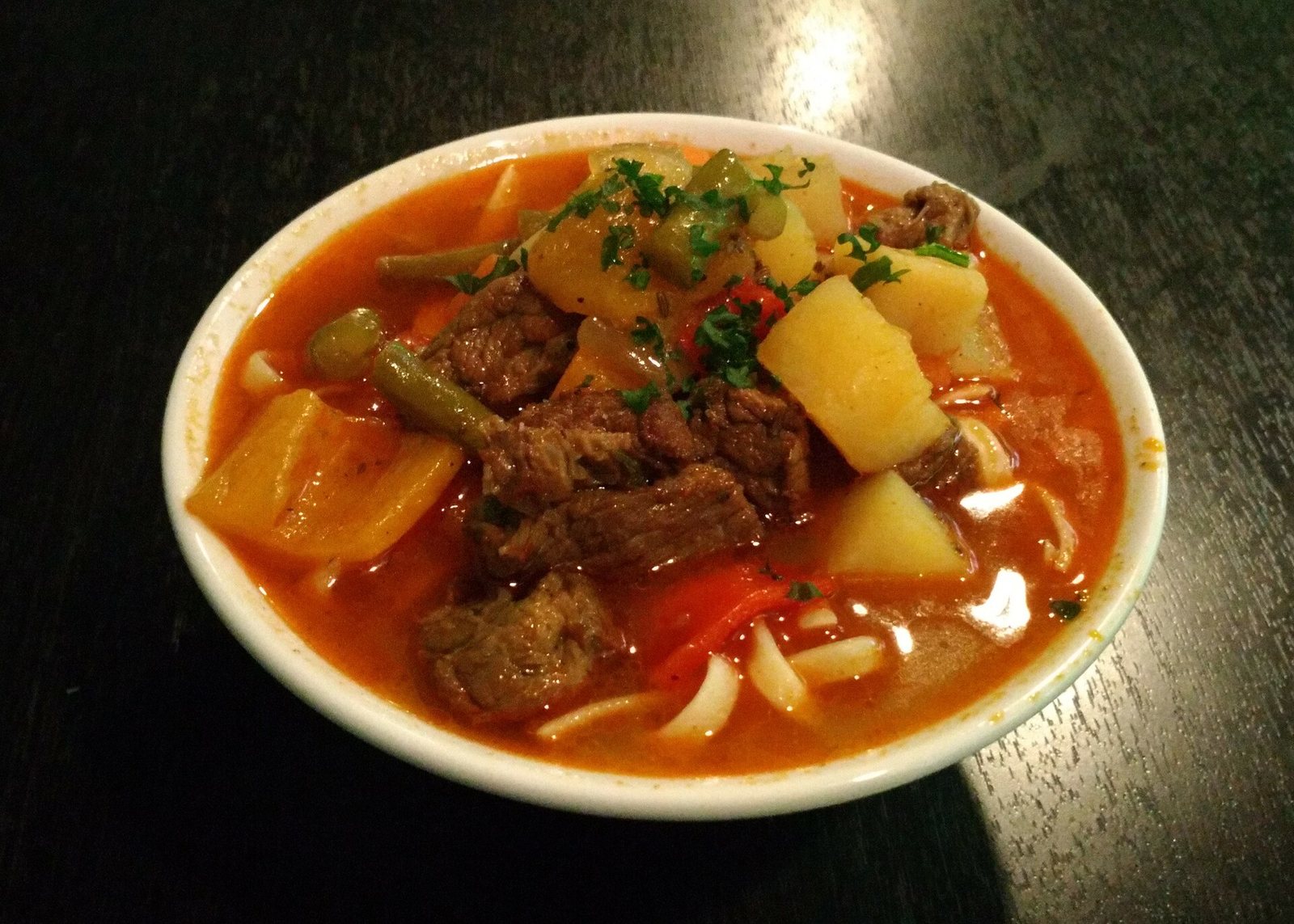
Lagman

Lagman: The Dish That Can't Decide If It's Soup or Main

Order lagman twice in different places and you'll get two different dishes: now almost a soup with broth, now noodles with a thick sauce. That's not the cook's mistake. Lagman is about noodles pulled by hand into strands meters long — and how much broth there is comes down to taste.

Manty

Manty: Why They're Cooked Only Over Steam

To call manty "big dumplings" is to insult both manty and dumplings. They're never boiled in water, only steamed; the meat is chopped by knife, not minced; and pumpkin often goes into the filling. These three rules make manty a completely different dish.

Mastava

Mastava: The "Liquid Plov" You Eat with a Spoon

Take plov — meat, rice, carrot, onion, cumin — and leave in more broth. You get mastava, which in Uzbekistan is called exactly that, "liquid plov." It's the everyday home soup: simpler than plov, more filling than an ordinary soup, and instantly familiar to anyone who's already tried plov.

Shurpa

Shurpa: The Uzbek Soup Cooked Two Ways

Under one name, Uzbekistan hides two different soups: one is simply boiled, and the broth comes out clear and light; the other is fried in a cauldron and turns thick and heavy. To order "shurpa" is to choose how filling your lunch will be.

Bread

Uzbek Non: The Bread You Can't Turn Over

A round flatbread with a pattern in the center looks like simple bread — until you lay it upside down. In Uzbekistan the non has a code of rules: it isn't cut with a knife, isn't laid bottom up on the table, and is broken by hand. Bread here is almost a living thing.

Plov

Uzbek Plov: How One Dish Became a Map of the Country

In Uzbekistan there's no such thing as "just plov." From whether it's light or dark, the vegetables fried or steamed, whether there are raisins in it, a local will tell you unerringly which city you're from. Plov here isn't a recipe — it's a way of reading the country.

Samsa

Uzbek Samsa: The Pastry Baked on the Wall of an Oven

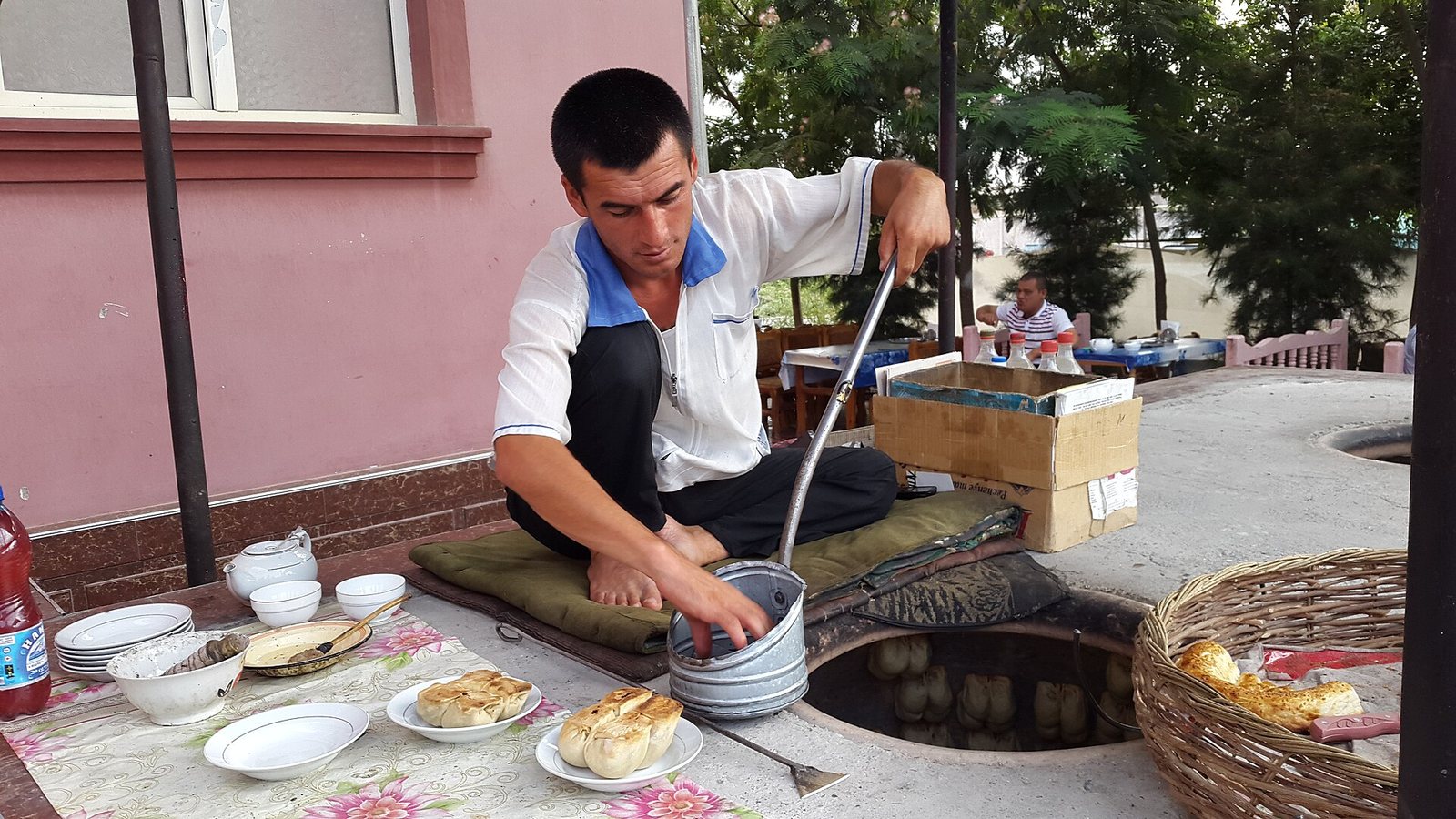
From the outside, an ordinary meat pastry. But real samsa isn't fried or baked on a tray: it's stuck to the scorching wall of a tandyr, the meat is chopped with a knife rather than minced, and there's at least as much onion as meat. Hence the juice that runs down your hand.

Shashlik

Uzbek Shashlik: Why There's Always a Piece of Fat Between the Meat

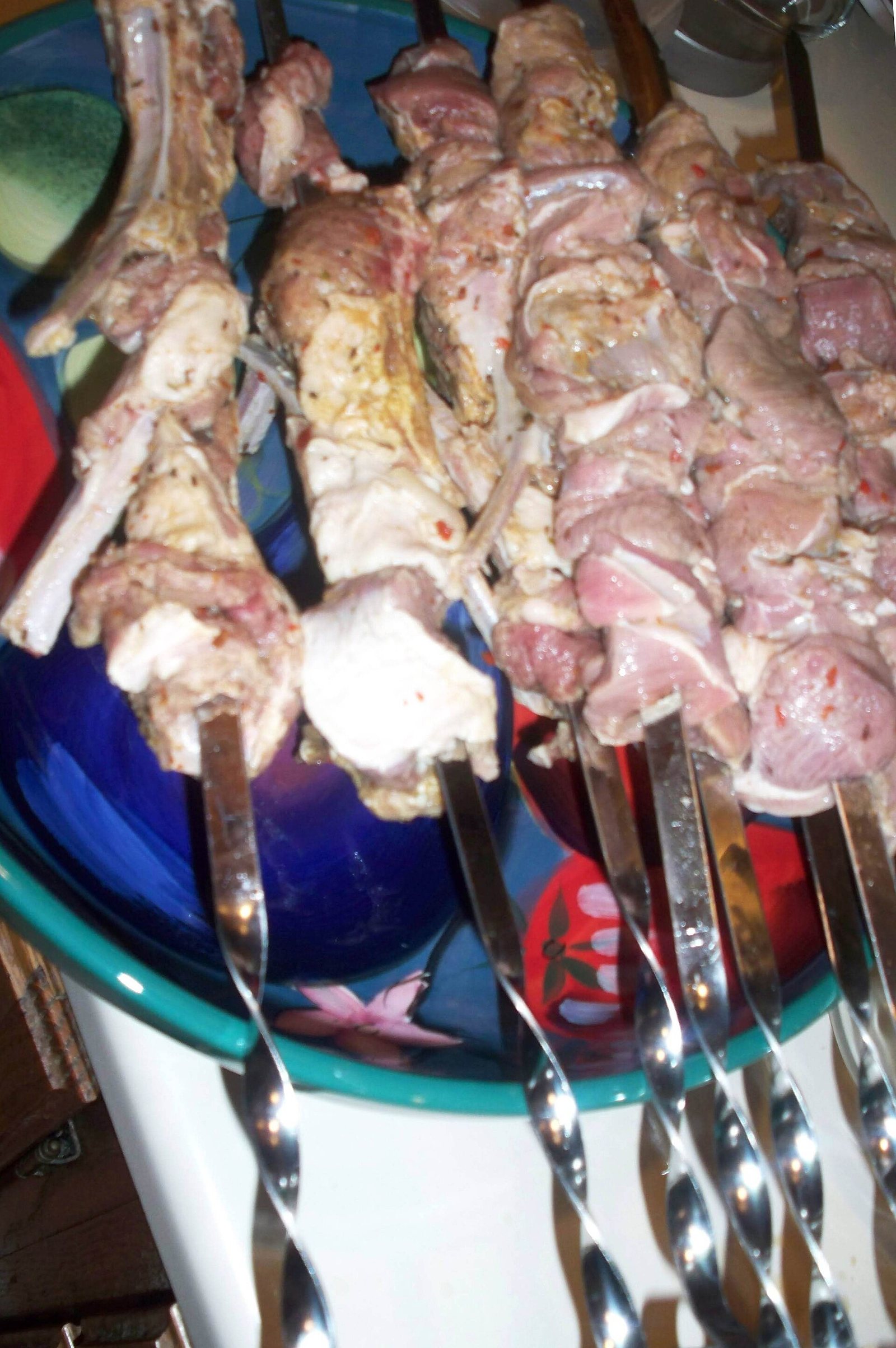
Look at a proper Uzbek skewer: pieces of meat alternate with white cubes of tail fat. It's not chance and not thrift — it's exactly the fat that melts over the coals, soaks the meat and makes the shashlik juicy. Take it away and you get dry cracklings.

Sweets

Uzbek Sweets and Dried Fruit: What's Served with Tea

In Uzbekistan the table is laid with sweets before the food even arrives: a bowl of tea is unthinkable without navat, parvarda, halva and a heap of dried fruit. This isn't dessert "for later" — it's the beginning of hospitality, a way of telling a guest "sit down, don't hurry."

Bukhara

What to Eat in Bukhara: A Food Guide

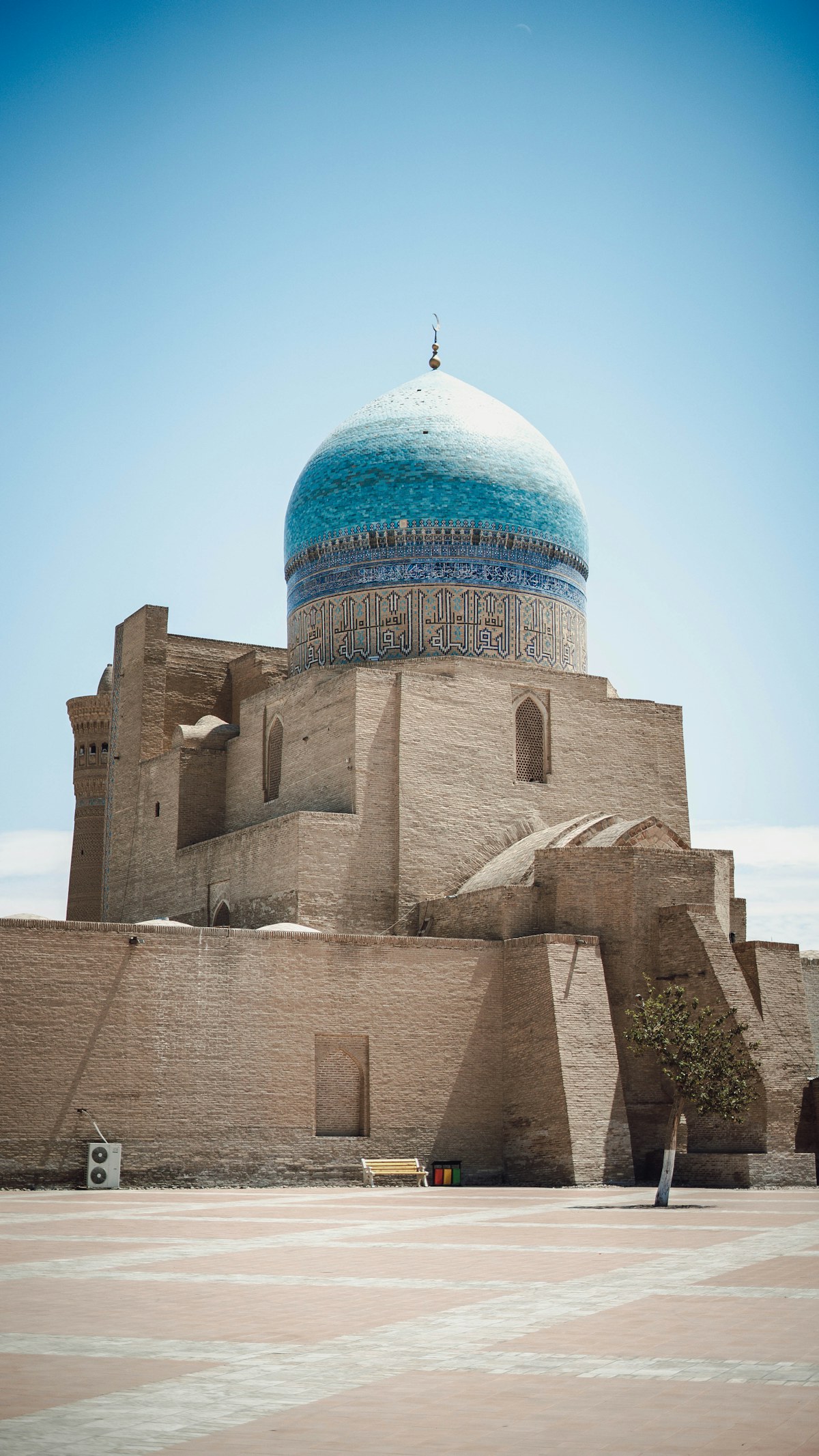
Bukhara is the most "museum-like" of Uzbekistan's cities, and the cuisine here is to match: carefully preserved, with old recipes found in no other region. If Samarkand wins you over with light layered plov, Bukhara does it with a sweet plov of dried fruit and the unique heritage of the Bukharian Jews.

Samarkand

What to Eat in Samarkand: A Food Guide

Samarkand astonishes with more than the Registan. It has its own plov — light, made on linseed oil — its own flatbread that doesn't go stale for weeks, and the Siab Bazaar selling the very things people ate on this land two thousand years ago. The city is read not only with the eyes but on the tongue.

Ferghana Valley

What to Eat in the Ferghana Valley: A Food Guide

The Ferghana Valley is the most fertile and densely populated part of Uzbekistan, hemmed in by mountains in the east of the country. Tourists reach it less often than Samarkand and Bukhara — quite wrongly. For understanding Uzbek cuisine, Ferghana is the key place: the "right" rice and the school of plov the whole country calls classic come from here.

The strongest souvenir is often
a taste you finally understand.