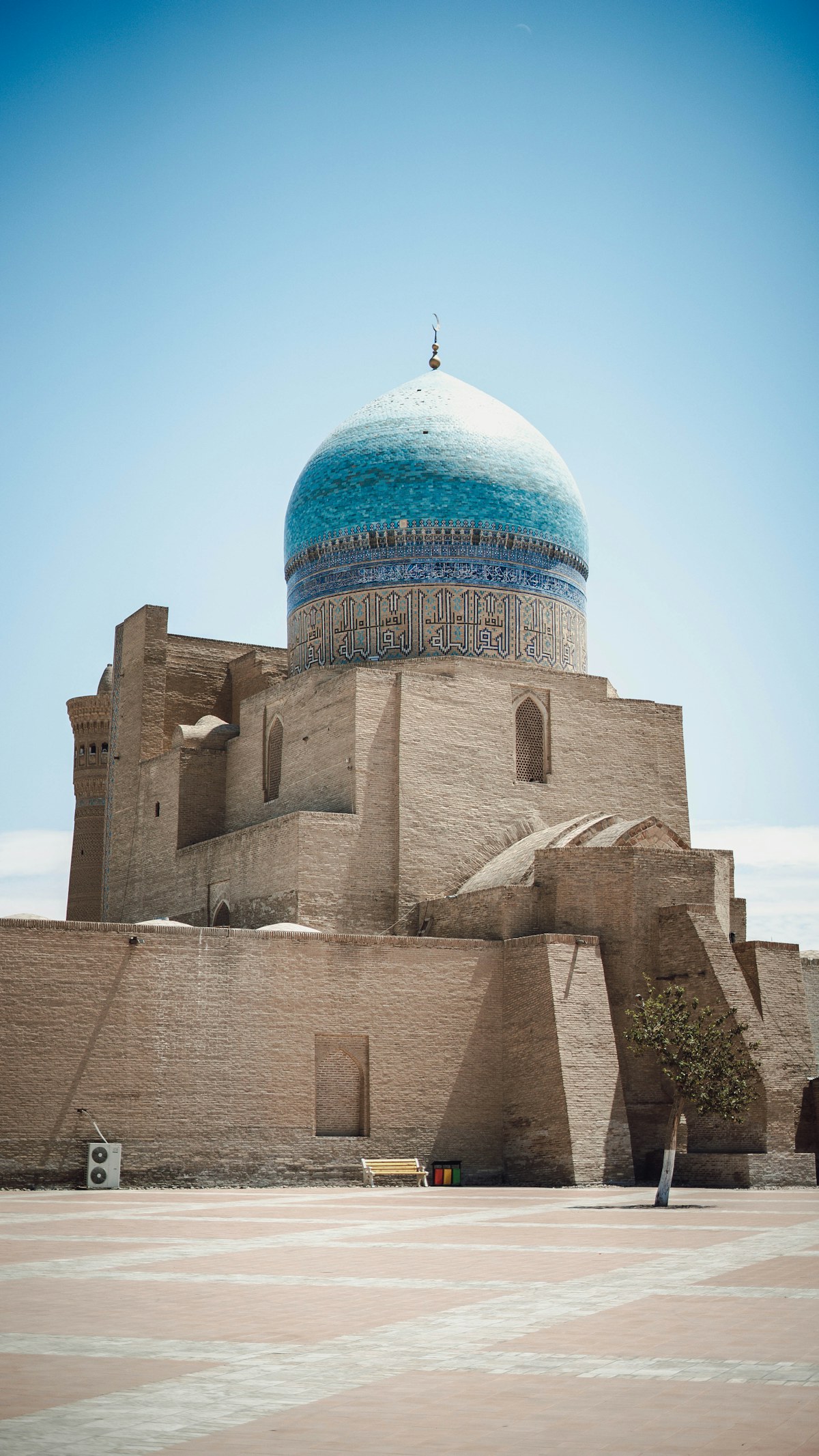
Bukhara in a day is its core. Bukhara in two days is its explanation. The out-of-town complexes tell what the dense centre cannot: how the emir lived on the threshold of the 20th century, where the reputation as a spiritual capital comes from, how the city built even its necropolises as streets. This guide lays out both days as "concentrate and context": a walkable old town on the first day, the emirate beyond the walls on the second.
What does a second day in Bukhara add?
In one day Bukhara shows its core. In two it explains itself. The out-of-town sites tell what the dense centre cannot: how the emir lived in the early 20th century, where the city's reputation as a spiritual capital comes from, how death and memory were organised. The second day is not a "top-up" but a change of scale from street to emirate.
Split it simply: day one is the walkable old town (its route is in our Bukhara in one day guide); day two is the out-of-town complexes by taxi, plus a return to the old town towards evening for crafts and a hammam. That way Bukhara opens both outward and inward.
How to walk the first day?
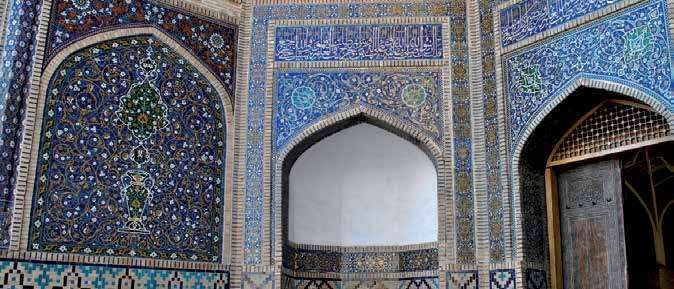
We have put the detailed first-day logic in a separate guide. One thing matters here: do not smear the first day onto out-of-town sites — they need transport and time, and are better given the whole second day.
Is Sitorai Mohi-Hosa worth the trip?
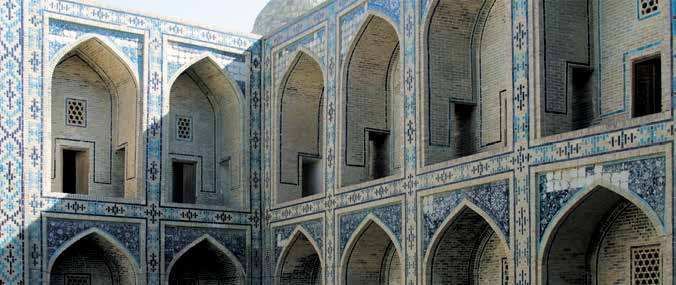
Sitorai Mohi-Hosa ("the palace like stars and the moon") shows another Bukhara — not medieval but imperial-twilight, on the brink of the khanates' collapse. The mixing of styles here is not bad taste but a document of its age: the ruler of an ancient emirate commissioned European decor in an attempt to be modern. It is a useful second layer to the ceremonial old town.
What is the Bahauddin Naqshband complex?
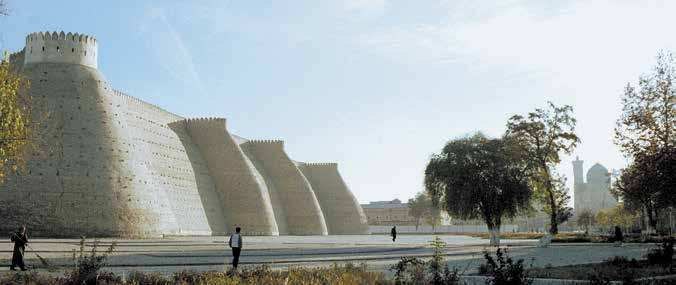
Bukhara was not called a sanctuary for nothing: it had the region's densest concentration of madrasas and Sufi teachers. The Naqshband complex explains that reputation better than any museum — pilgrims, not tourists, come here, and the atmosphere differs from the city's trading centre. It is the counterweight to the first day's domes and bazaars.
Bukhara's old town tells of trade and power. The out-of-town complexes tell of faith and the emirate's twilight. Without the second day, the portrait stays flat.
Why see Chor-Bakr?
Chor-Bakr was built as a city — with streets and gates, only for the dead. That idea, a necropolis as a continuation of the city, is rare and powerful; walk it slowly. All three out-of-town sites lie near Bukhara and gather logically into one taxi day.
Where to see crafts and visit a hammam in Bukhara?
Bukhara is one of the country's best cities for craft because the tradition never broke. What truly merits attention and what is the tourist current is discussed in our crafts of Uzbekistan guide. The hammam is a separate story: the historic baths have run for centuries, and they are worth visiting for the experience rather than the comfort. Where to go next from Bukhara is in our Bukhara to Khiva guide.
Frequently asked questions about two days in Bukhara
Do you need two days in Bukhara?
If you want to see not just the old town but the region — yes. Day one covers the core on foot, day two adds the out-of-town complexes (Sitorai Mohi-Hosa, Bahauddin Naqshband, Chor-Bakr) and time for crafts and a hammam. For the old town alone, a day is enough.
What to see on the second day in Bukhara?
The out-of-town sites: the emir's summer palace Sitorai Mohi-Hosa, the Sufi complex of Bahauddin Naqshband, and the Chor-Bakr necropolis — convenient to combine into one taxi circuit. The afternoon is best given to crafts in the old town and, if you wish, a historic hammam.
How do you reach Bukhara's out-of-town complexes?
By taxi: Sitorai Mohi-Hosa, Naqshband and Chor-Bakr lie in the city's surroundings and close to one another, so they are combined into one half-day to full-day route. City taxi apps work and are inexpensive.
Is a historic hammam in Bukhara worth it?
Worth it if you are interested in the experience rather than spa comfort. Bukhara's historic baths have run for centuries and give an authentic sense of the city's tradition, but the setting is austere. Check hours, prices and rules (men's/women's sessions) locally.
Is Bukhara in two days too much?
No, if you include the out-of-town complexes and do not rush. Two days give a comfortable pace: a concentrated walkable old town on the first day and the calmer context of the emirate on the second. If only the centre interests you, one day suffices.
Want to see Uzbekistan the way the people who live here see it?
Become a Kvazar Explorer →