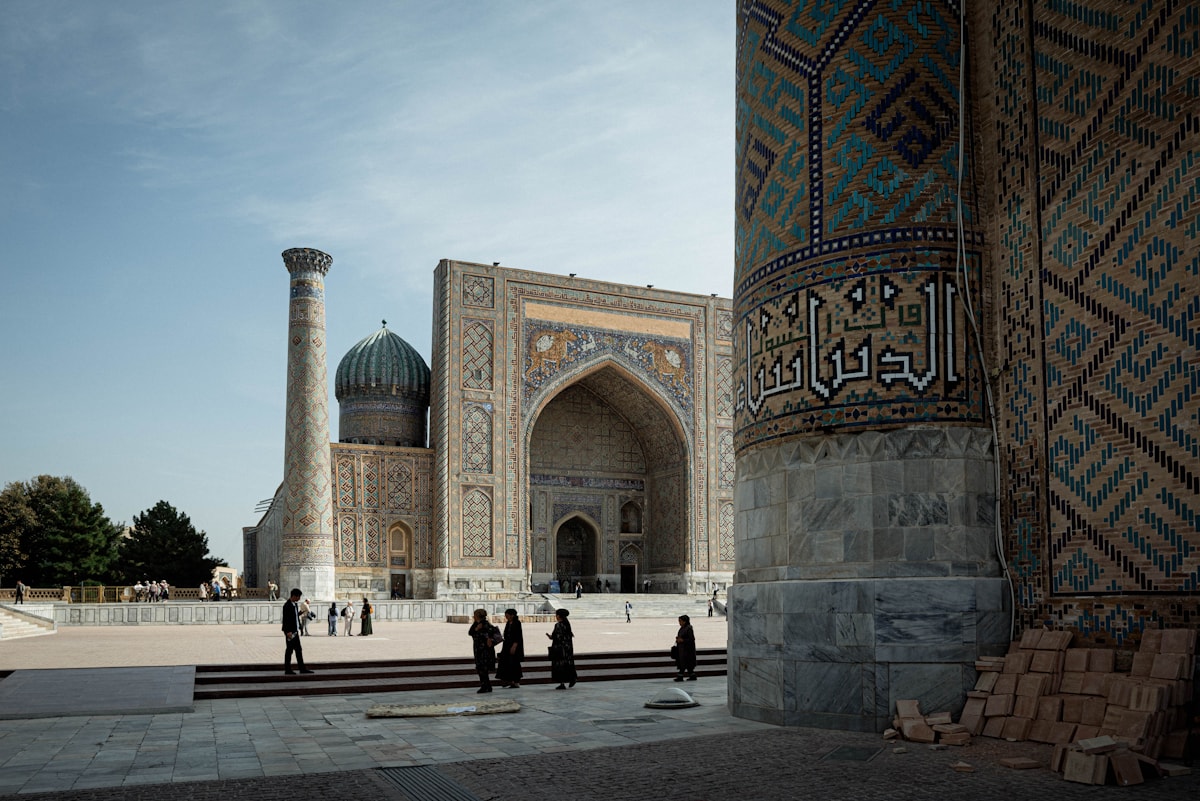
Samarkand does its job almost too well. It's the image that sells the country, the first name on every list, the place people fly in for. But it's also, for most travelers, only the doorway — and the real question, the one worth answering properly, is what lies past it. This guide is built for that moment: you're sold on Samarkand, now you want to know what else Uzbekistan holds, and in what order to reach for it as your time and curiosity grow.
What should you see right after Samarkand?
If Samarkand has hooked you, Bukhara is the natural next step and, for many, the city they end up loving most — where Samarkand overwhelms with scale, Bukhara works through density, a continuous old town you can walk in an afternoon. Khiva completes the set: a walled city so intact it feels like a film set, unforgettable at dawn. These three are the heart of any "what else" answer, and how they fit together by trip length is laid out in our 7-day and 10-day routes.
Samarkand is the country's opening line. Bukhara is where it starts telling you the real story.
Is Tashkent worth seeing?
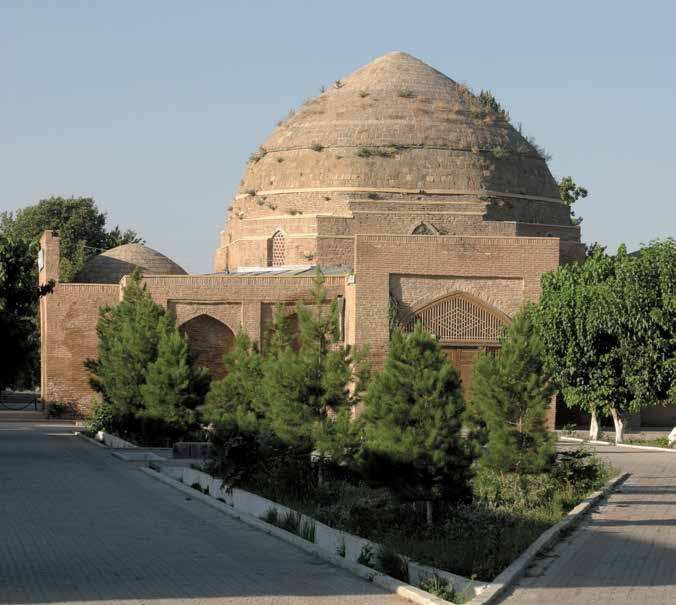
Tashkent surprises people who expect only domes: it's broad, green and contemporary, the country's modern face. That contrast is exactly its value on a trip otherwise spent travelling back through time. Give it a relaxed day for Chorsu Bazaar, the Hazrati Imam complex, the best museums in the country, and a ride through the metro. More on the capital is in the Tashkent guide.
What are the best day trips from Samarkand?
If you're based in Samarkand and want to go further without committing to another city, the day-trip options are rich. Shahrisabz is the obvious one — the birthplace of Tamerlane, with the towering remains of his Ak-Saray palace, less visited than Samarkand but historically its equal. The weekly Urgut bazaar nearby is a genuine local market, not a tourist one. For something deeper, the Nuratau villages and an Aydarkul yurt stay turn a day trip into an overnight encounter with rural life.
Where do you go for living crafts?
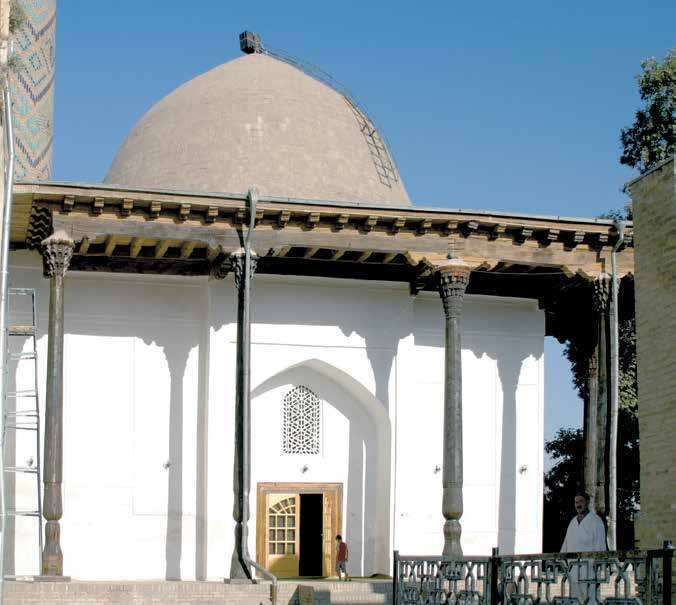
For travelers who care how things are made — and who want to see Uzbekistan's culture as a living practice rather than a preserved monument — the Fergana Valley is the answer. It's the one region that separates a curious traveler from a checklist tourist: working silk and ceramic workshops, a fertile lived-in landscape, and crafts you can watch being made and carry home. Crucially, it's also one of the easier additions, reachable by a comfortable daily train rather than a desert drive.
What if you want landscape, not architecture?
Uzbekistan surprises people with its landscapes, and they're the natural pivot when the architecture has done its work. The Aral Sea is the most dramatic — rusting ships stranded on a dry seabed, one of Central Asia's most sobering sights. The Chimgan Mountains near Tashkent offer easy hiking and winter skiing, and the desert yurt camps near Aydarkul give you stillness and stars. These pair beautifully with the cities to make a trip that's more than a monument circuit.
What's worth it if you go really deep?
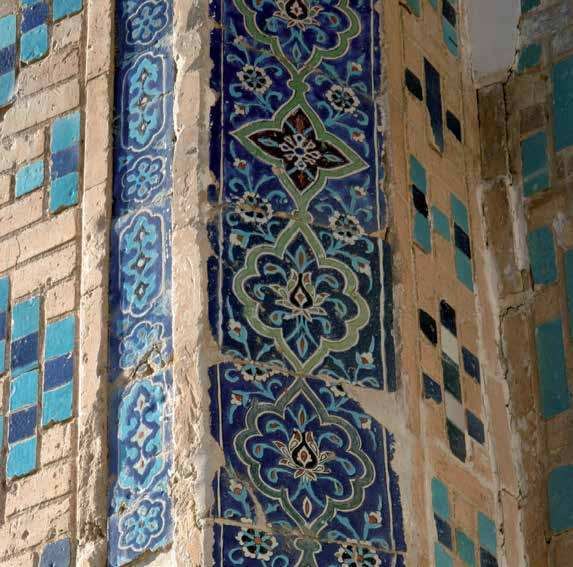
For the curious who've already seen the quartet, the country's least-visited corners are the real reward. Termez and its Buddhist past, the folk traditions of Boysun, and the improbable avant-garde hoard of the Savitsky Museum in Nukus each justify a dedicated trip. They're harder to reach and less polished, which is exactly their appeal. We map them out in our guide to off-the-beaten-path Uzbekistan.
In what order should you add places?
The principle is to add depth before distance. Most travelers get the most from completing the Silk Road quartet well, then choosing one extension — crafts (Fergana) or landscape (desert/Aral) — rather than trying to do everything at once. The south and far west reward a return visit. To match all this to specific trip lengths, see how many days you need, and to decide between regions, our where-to-go guide.
Frequently asked questions about what else to see
Is there more to Uzbekistan than Samarkand?
Far more. Samarkand is the famous opener, but Bukhara and Khiva rival it, the Fergana Valley offers living crafts, the desert and Aral Sea deliver dramatic landscapes, and the south holds Buddhist history and folk culture. Many travelers end up preferring Bukhara, and almost everyone leaves with reasons to return.
If I've seen Samarkand, where should I go next?
Bukhara, then Khiva — the other two great Silk Road cities. Bukhara especially is the natural next step and, for many, the highlight of the whole country. After the quartet, the Fergana Valley for crafts or the Aral Sea for landscape are the strongest additions, depending on whether you want culture or scenery.
What's the best alternative to the crowded famous sites?
The Fergana Valley, the Nuratau Mountain villages, the desert fortresses of Khorezm, and the south around Termez and Boysun are all far less crowded than the headline monuments. They trade polish for authenticity and rural hospitality, and most support community-based tourism, so your visit benefits local communities.
Can I see everything in one trip?
Not comfortably. Uzbekistan rewards depth over breadth, and trying to cover the cities, the valley, the desert and the south in one trip means rushing all of them. Better to complete the Silk Road quartet plus one extension, and save the rest for a return — the country tends to inspire one.
What's the most underrated place in Uzbekistan?
Strong contenders: Bukhara, which quietly outshines Samarkand for many; the Fergana Valley, skipped by most first-timers despite being the craft heart; and the Savitsky Museum in Nukus, a world-class art collection in a remote desert city. Each is undervalued precisely because Samarkand absorbs so much attention.
Want to see Uzbekistan the way the people who live here see it?
Become a Kvazar Explorer →