Explore Uzbekistan

The English overview now exposes the real city and landmark pages directly in HTML, so every card opens a page that exists.

Places

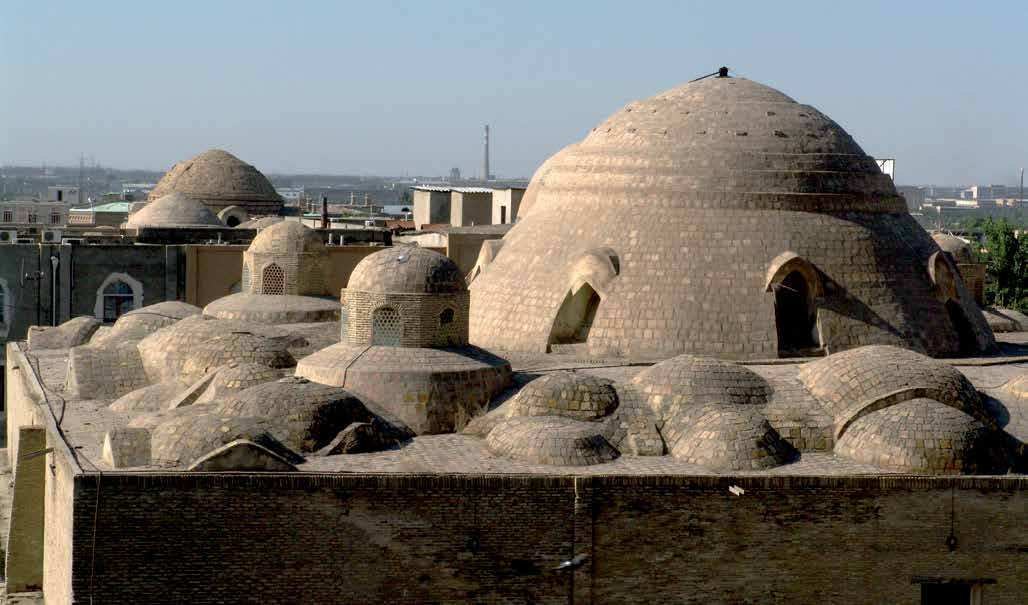
Bukhara's Trading Domes: A Shopping Guide

Five centuries ago, under these domes, people changed gold, sold skullcaps and sharpened knives. Today they do the same — and it's a rare bazaar built not for tourists but simply never closed since the 16th century.
Places

Center of Islamic Civilization

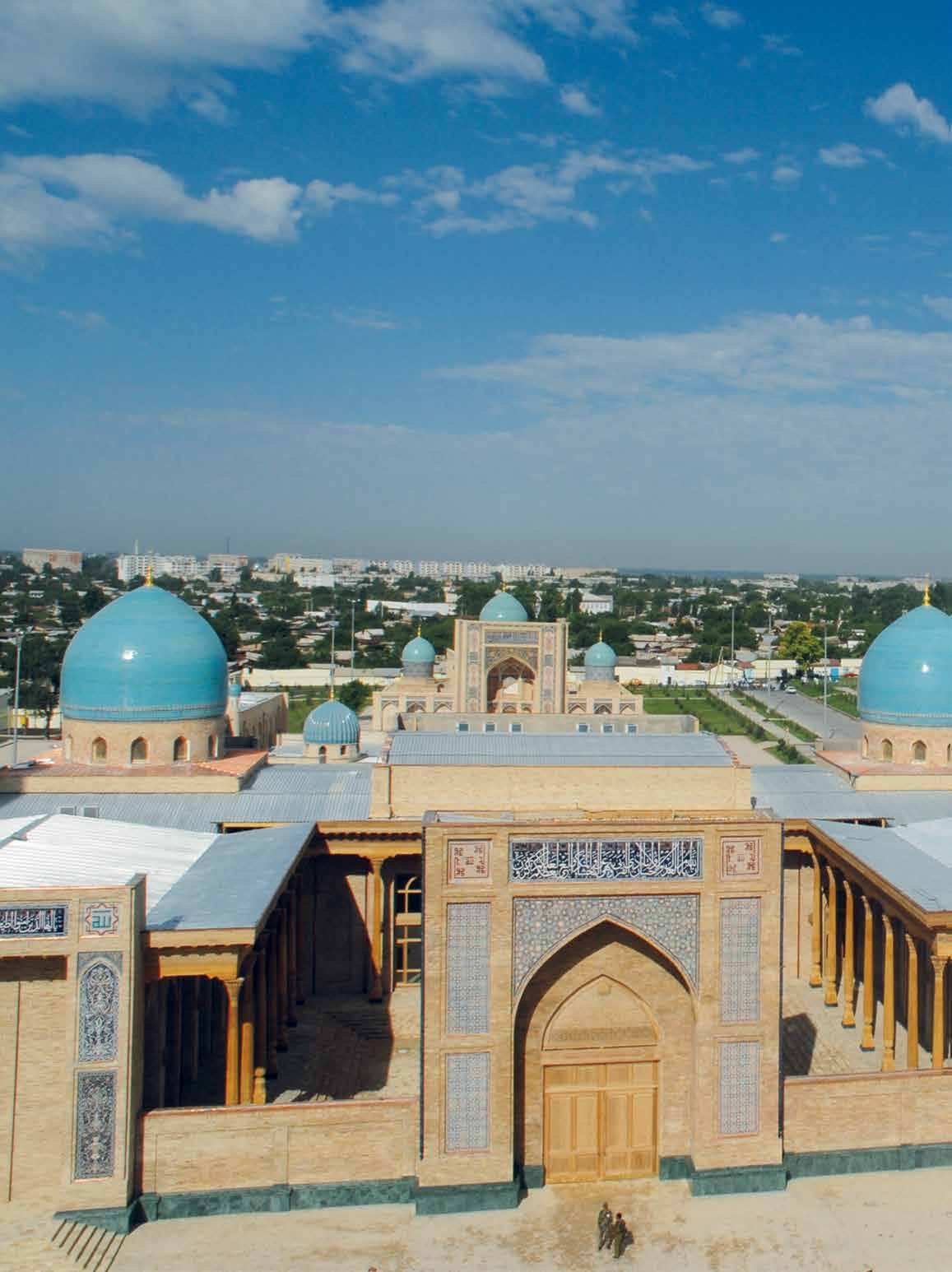
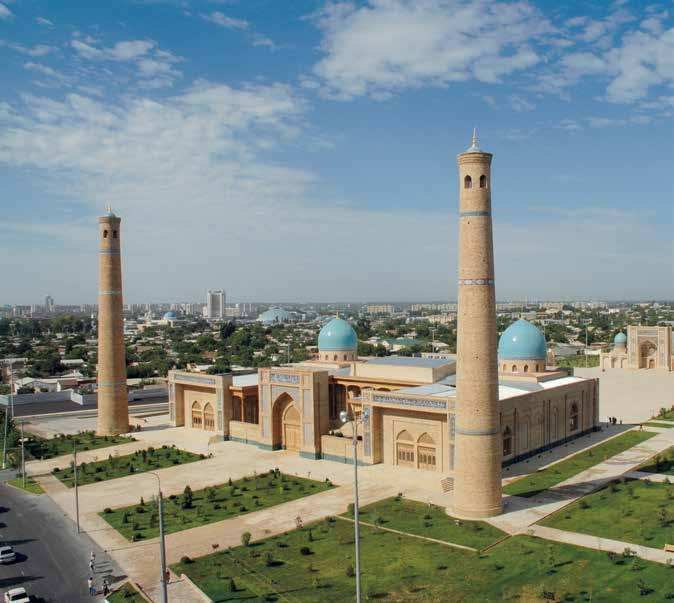
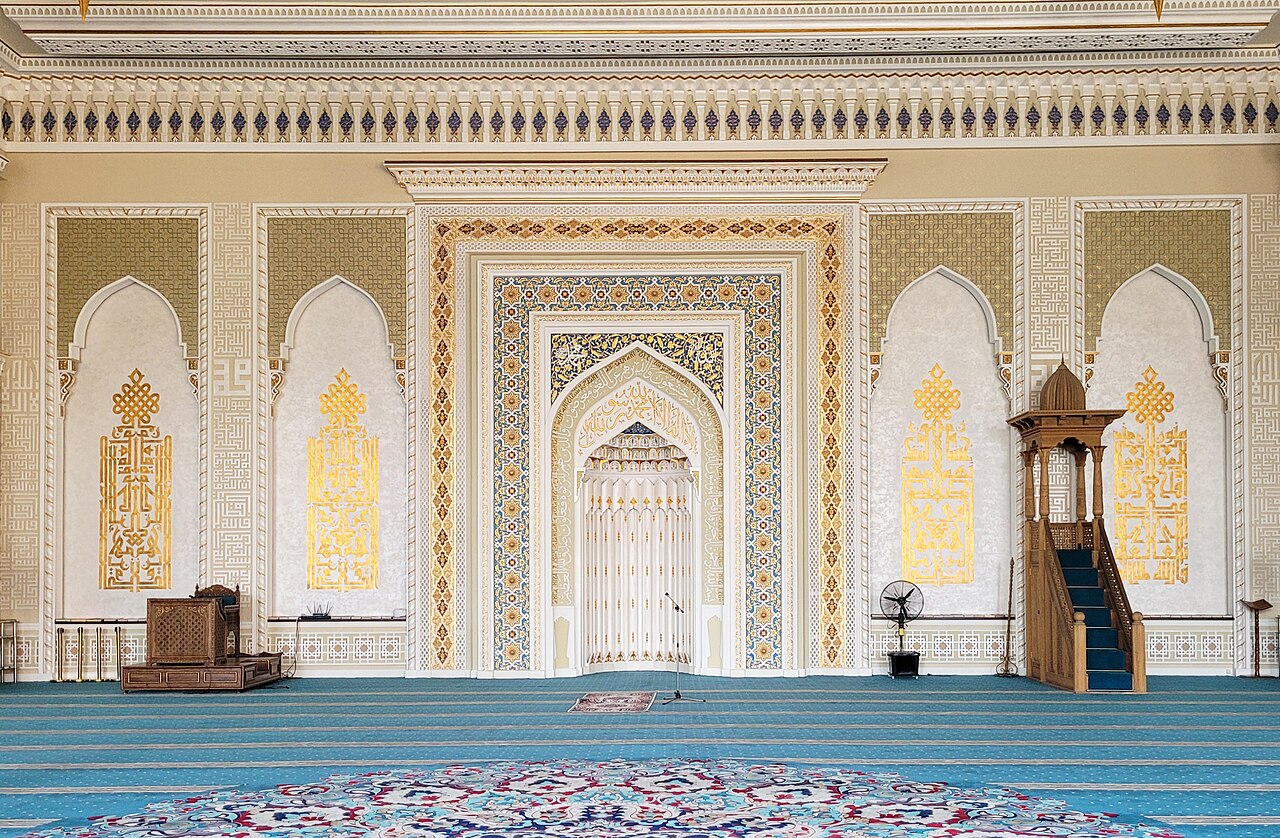
The biggest thing to appear on Tashkent's map in 2026. Not a mosque and not a local-history museum, but an attempt to gather the whole intellectual history of the region — from the golden age of science to the Uthman Quran — into one building under a sixty-metre dome.

Shakhrisabz

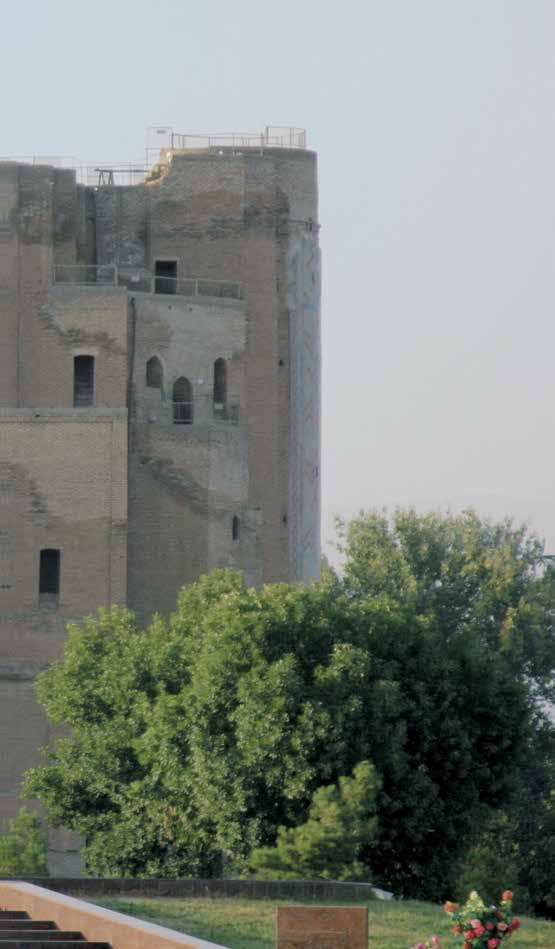
Ak-Saray: The "White Palace" of Amir Timur

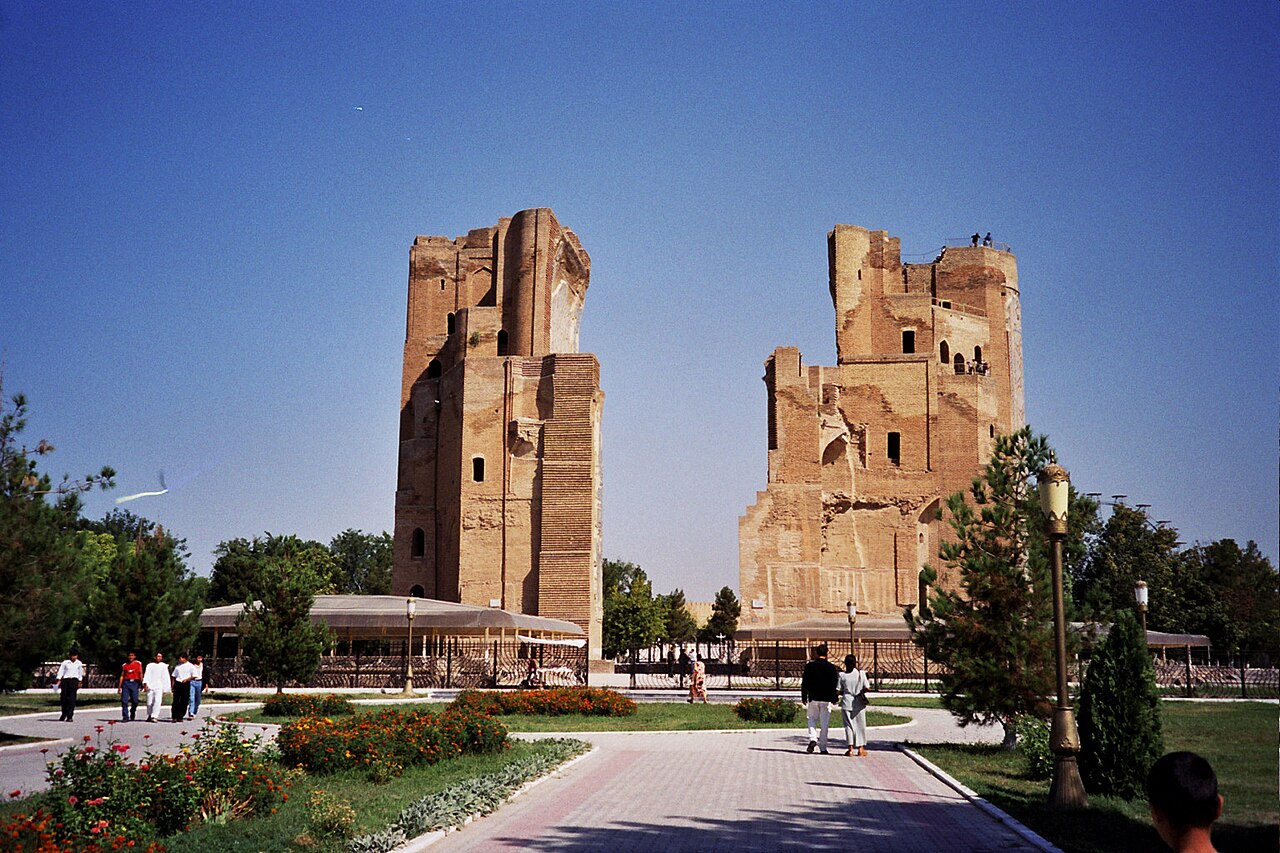
Amir Timur had already filled Samarkand with the greatest buildings of his age — and then wanted to surpass them in his own home city. So Ak-Saray was born, a palace conceived to eclipse everything built before. All that remains are two piers of the entrance portal, but even these ruins make you tip your head back.

Amir Timur Square

Amir Timur Square: The Point From Which All of Tashkent Radiates

The city's main avenues fan out from this square. Different monuments from different eras have stood on this spot — and who stands at the center today tells you more about the country than any guidebook. Right now it's Tamerlane on horseback.

Andijan

Andijan: What to See in the Birthplace of Babur

From this city, a boy named Babur set out to conquer India and founded the Mughal Empire — and then spent his whole life longing for Andijan in verse. Almost no ancient monuments remain here, but the story itself — "this is the home of the man who changed history" — makes the city special.

Termez

Buddhist Termez: Fayaz-Tepa and Kara-Tepa

Uzbekistan is usually seen as a country of blue domes and madrasas. But a thousand years before Islam, in the south, on the banks of the Amu Darya, monks in red robes prayed to the Buddha. Termez was a major Buddhist center of the Silk Road — and its monasteries still lie in the sand by the Afghan border.

Cities

All city guides on Kvazar: Samarkand, Bukhara, Khiva, Tashkent, Ferghana, Margilan, Kokand, Andijan, Nukus, Shakhrisabz and Termez.

Shakhrisabz

Dorus-Saodat: The Tomb Timur Prepared for Himself

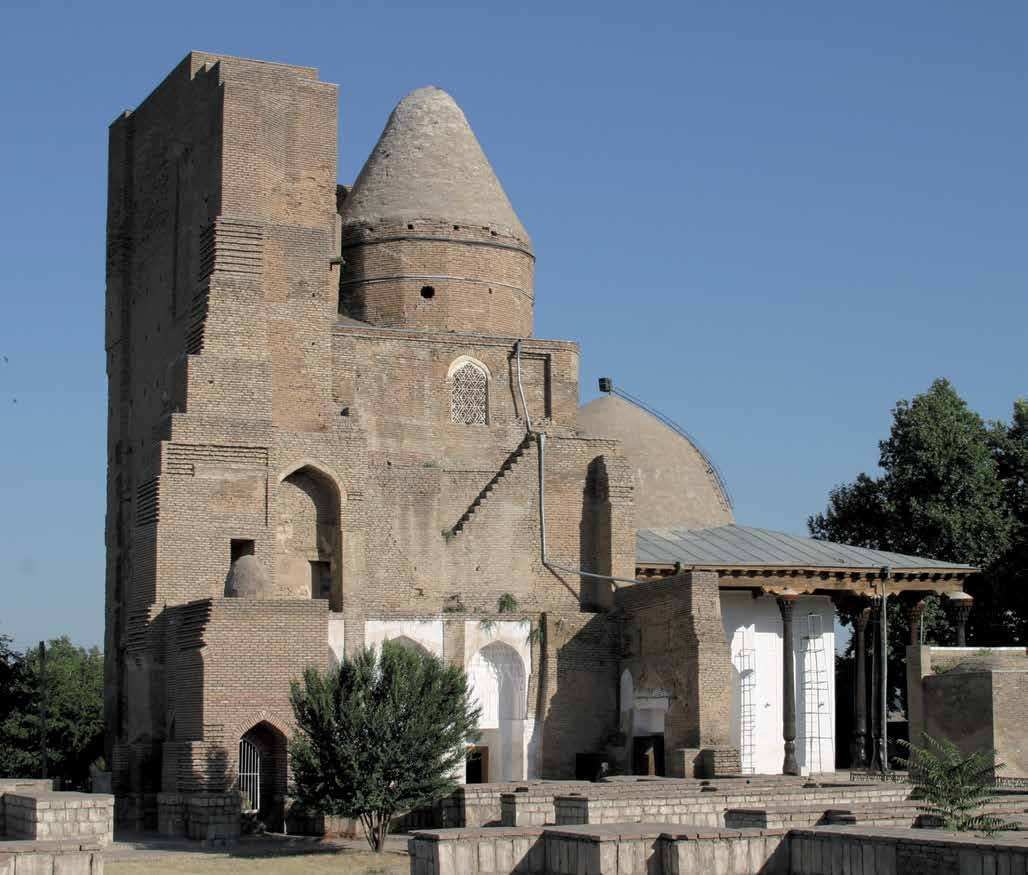
Having lost his beloved son, Amir Timur built a memorial in his home city and prepared a crypt for himself beside it — he wanted to be buried here, in Shakhrisabz. But fate decided otherwise: the great conqueror came to rest in Samarkand, and the prepared crypt remained empty.

Shakhrisabz

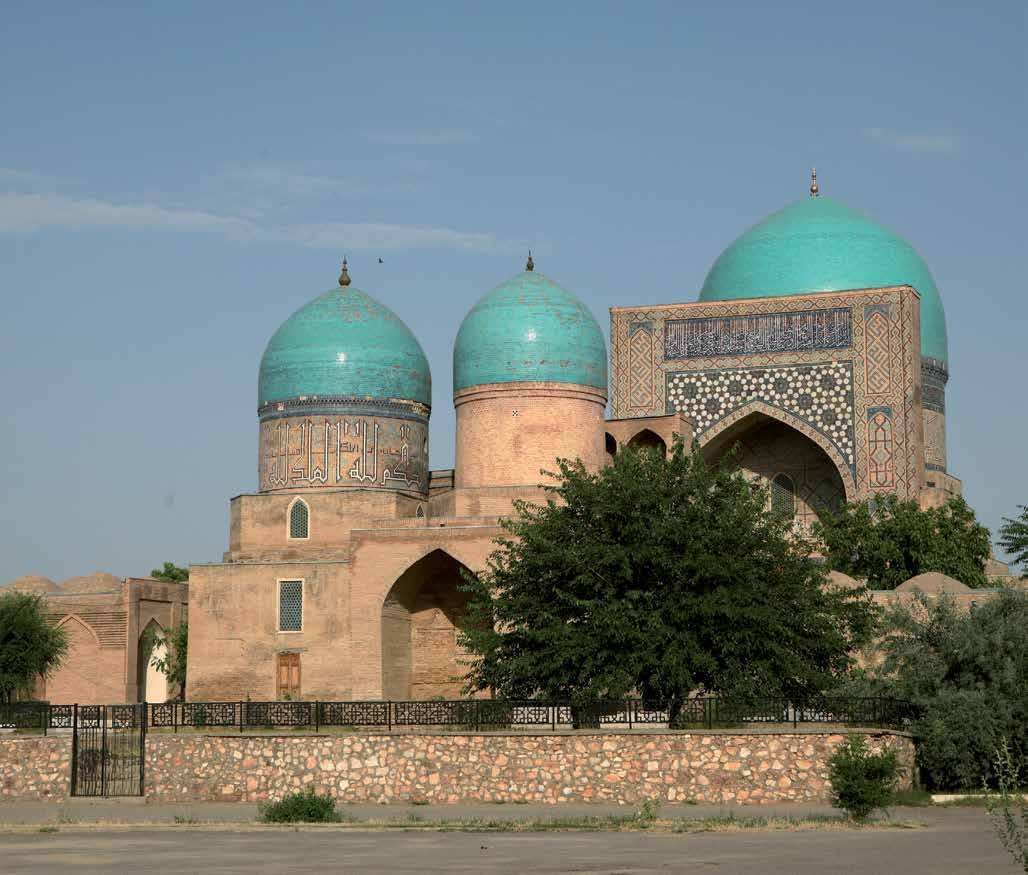
Dorut-Tilovat and Kok-Gumbaz: The Quiet Courtyard of Shakhrisabz

Beside the bulk of Ak-Saray hides a place of a completely different mood — a quiet courtyard where a mosque stands under a blue dome, and in the tombs rest Timur's mentor and his kin. If the palace spoke of might, this ensemble speaks of memory and reflection.

Ferghana

Ferghana: The "General's City" and the Gateway to the Valley

The youngest of Uzbekistan's recognizable cities: it's less than 150 years old, and you won't find antiquities here. But Ferghana is a convenient, green base from which roads radiate to everything of interest in the valley: to the silk of Margilan, the ceramics of Rishtan and the palaces of Kokand.

Ferghana

Ferghana: What to See in the Heart of the Valley

Among the ancient cities of Uzbekistan, Ferghana is the odd one out: it's less than 150 years old, with straight avenues instead of narrow Eastern lanes and buildings in the colonial style. But it's from here that it's most convenient to set out into the heart of the country's most fertile and populous valley.

Hazrati Imam

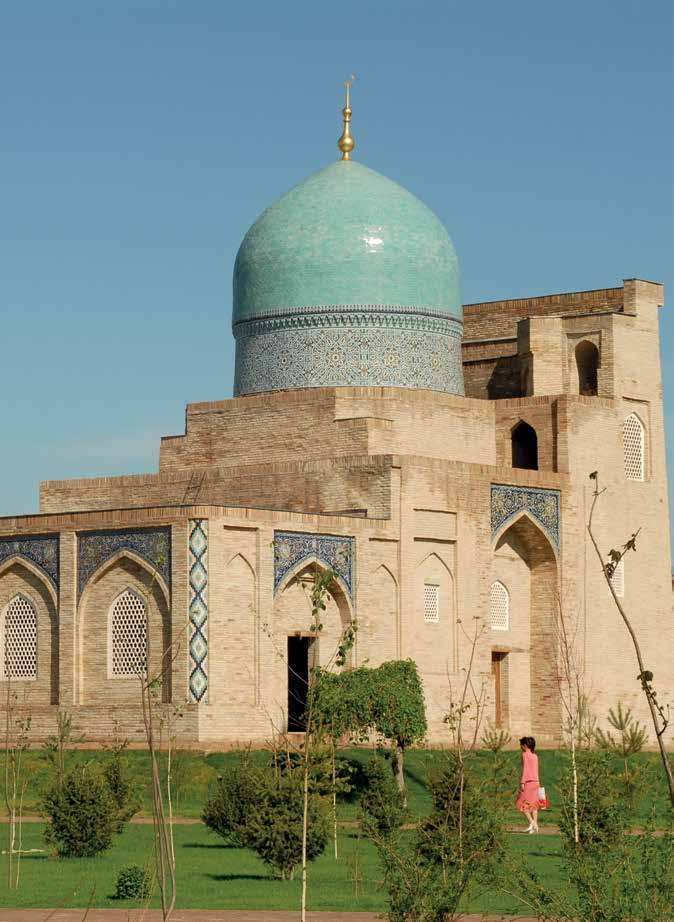
Hazrati Imam: the place that holds the world's oldest Quran

Deep in old Tashkent, among the mud-brick houses that survived the earthquake, stands an ensemble built around a book almost fourteen centuries old. By tradition its pages bear the blood of a murdered caliph, and the manuscript's road ran through five countries.

Kokand

Kokand: Capital of a Khanate That Vanished but Left a Palace

While Samarkand and Bukhara lived on their antiquity, the Ferghana Valley as late as the 19th century saw its own state flourish — the Kokand Khanate. Its capital left behind a palace meant to rival Khiva and Bukhara. This is a different, later chapter of Uzbek history.
Margilan

Margilan: What to See in the Capital of Uzbek Silk

That "silk" in the phrase "Silk Road" comes, in large part, from here. For more than a thousand years Margilan has woven khan-atlas — a shimmering fabric whose pattern is set by dyeing the threads before they're ever woven. People come to this city not for monuments, but to see how fabric is born.

Nukus

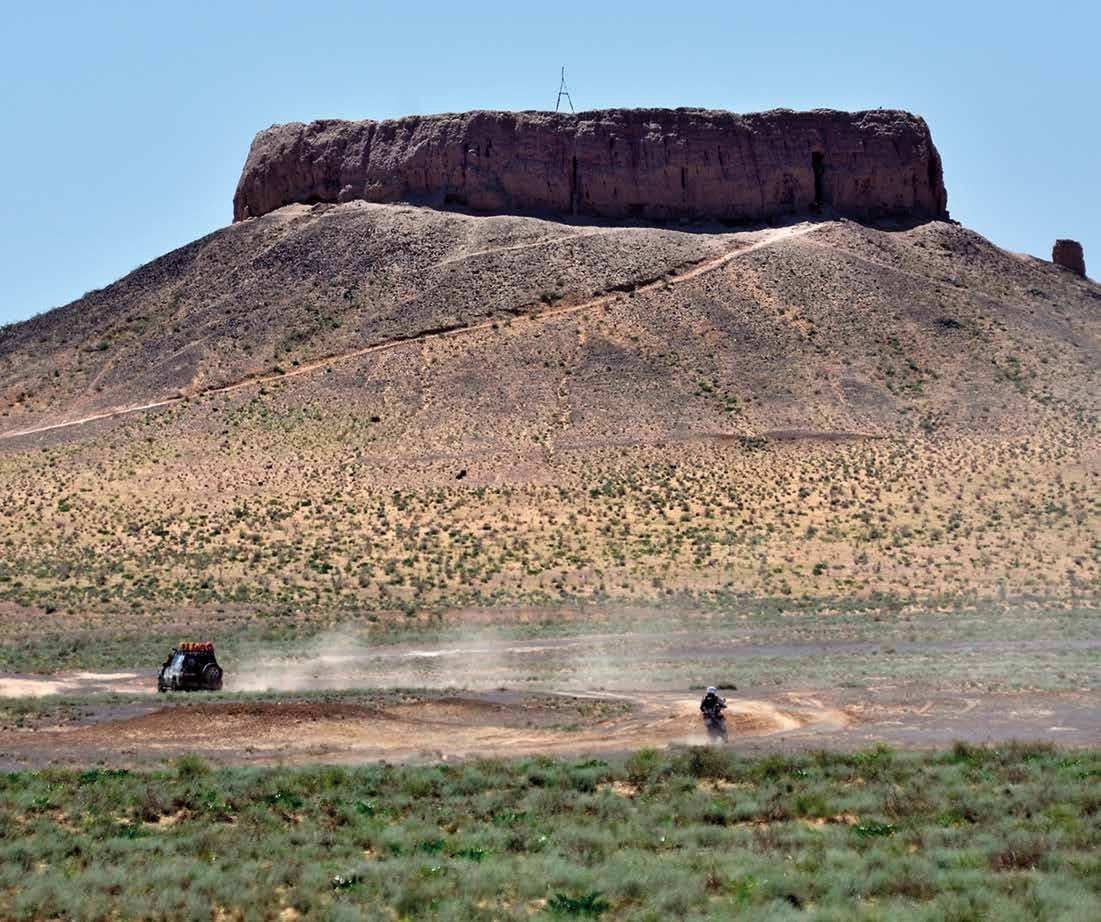
Mizdakhan: The Necropolis and the "Clock of the World"

On three hills near Nukus lies one of the oldest cemeteries in Central Asia. Here, by legend, the first man on earth is buried, and a half-ruined mausoleum is called the "Clock of the World": it's believed that one brick falls from its wall every year — and when the last one falls, the end of the world will come.

Poi-Kalon

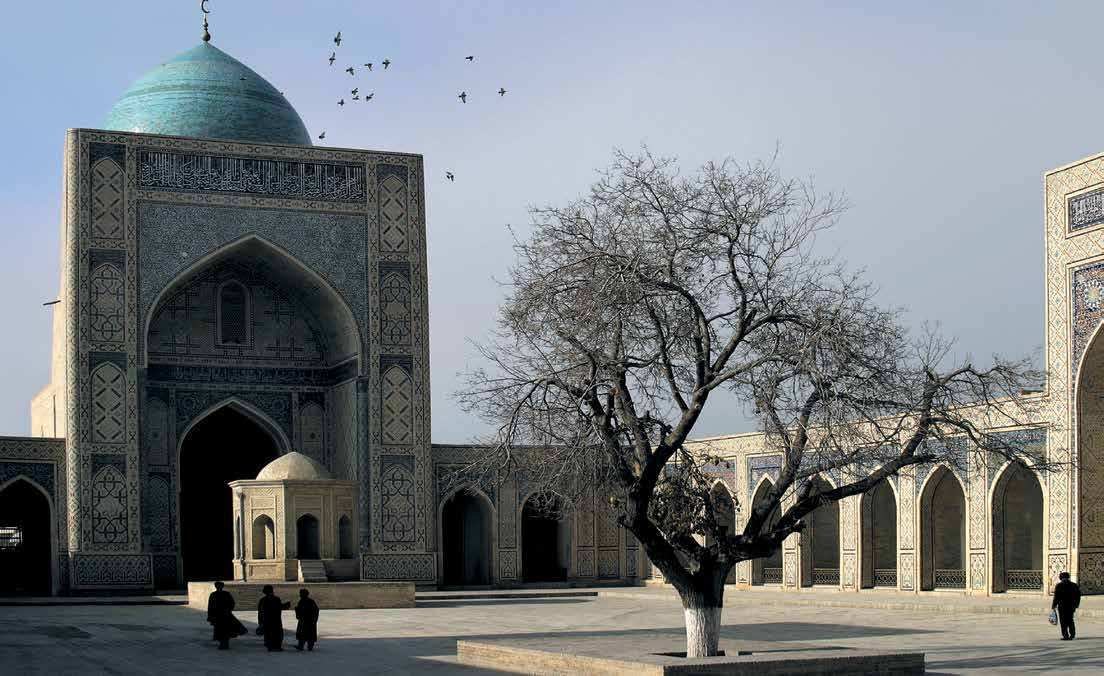
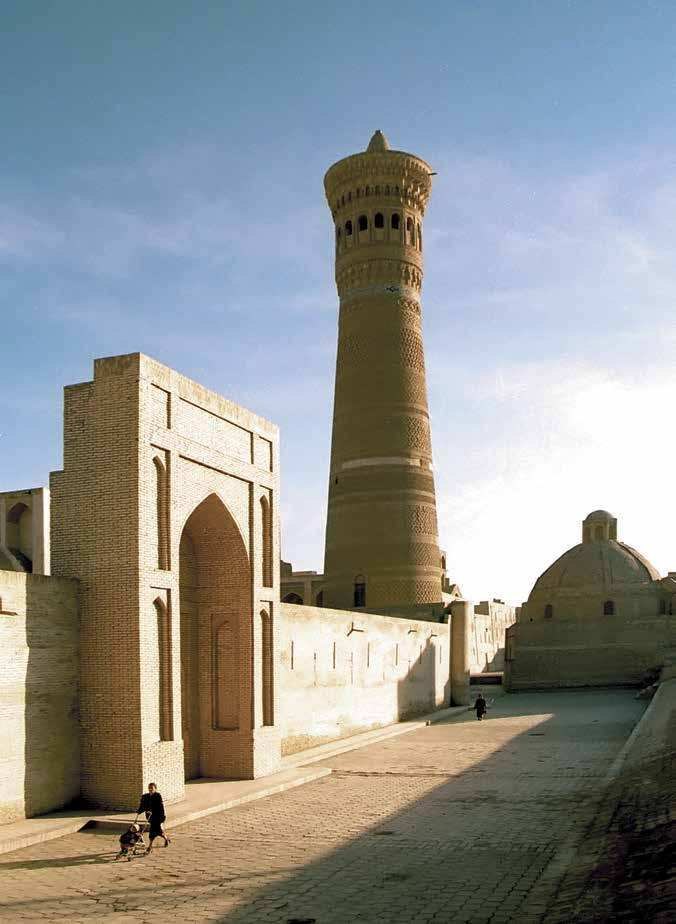
Poi-Kalon: The Minaret That Stopped Genghis Khan

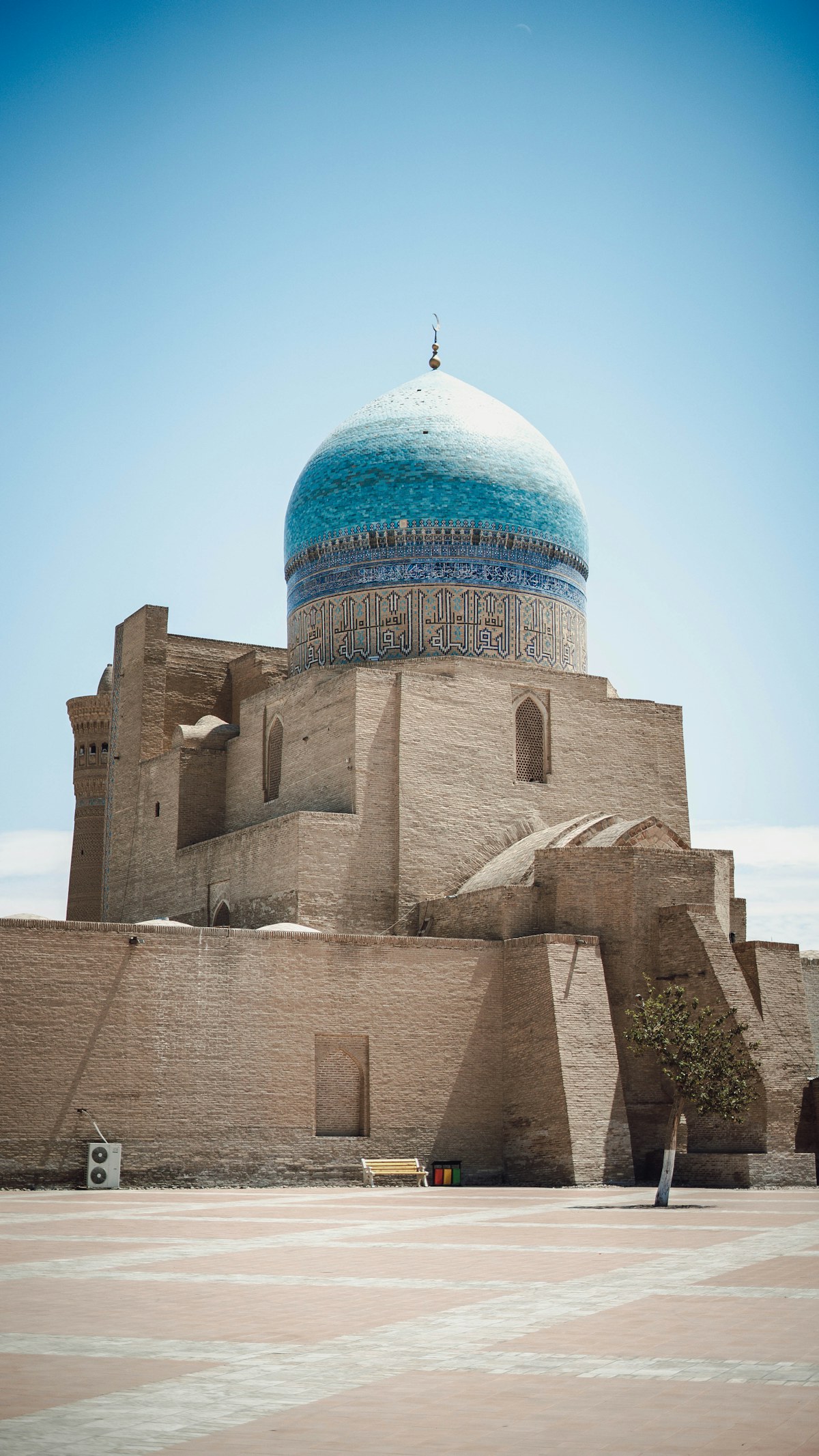
A tower the condemned were thrown from, spared by the conqueror who leveled the rest of the city. Beside it, a mosque for twelve thousand, and a madrasa that never stopped teaching — not even under Soviet rule.
Regions of Uzbekistan

Complete list of Uzbekistan's administrative units with administrative centers and exact links to available English city guides.

Termez

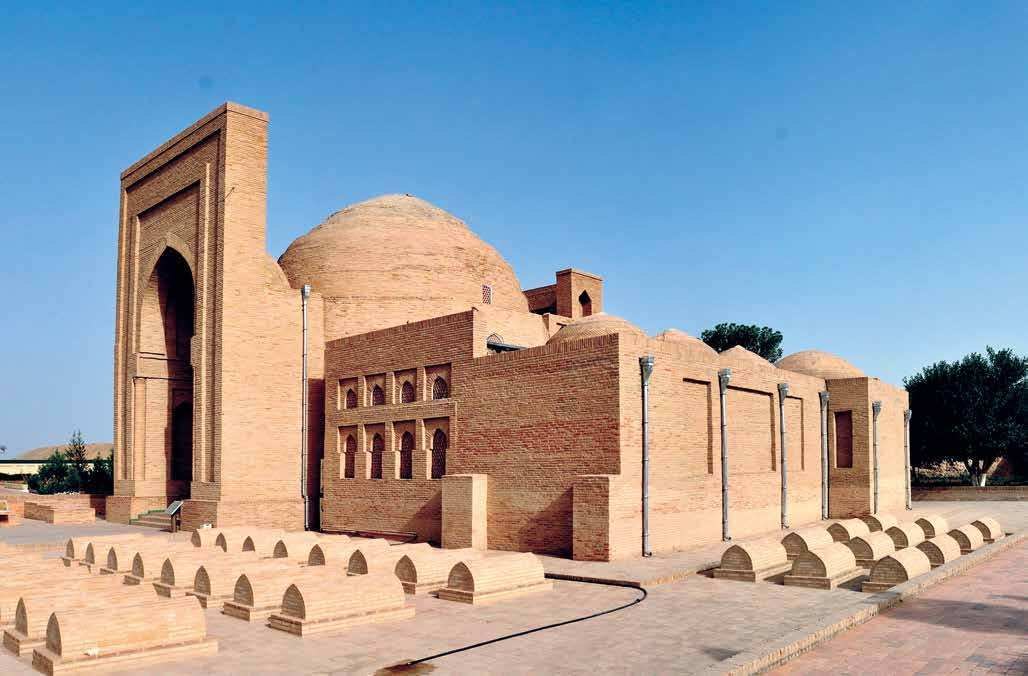
Sultan-Saodat: The Necropolis of the Termez Sayyids

For six centuries in a row, one noble family buried its dead here — and each generation added a new mausoleum to the ensemble. So Sultan-Saodat grew up in Termez: a long row of tombs along which you can read the history of local architecture like the rings of a tree.

Tashkent

Tashkent: what to see in a city built twice over

Uzbekistan's capital is over two thousand years old — yet you can barely see that age: the 1966 earthquake erased the old town, and Tashkent was rebuilt from scratch. In return it holds the world's oldest Quran, and its metro runs like an underground museum.

1966 Earthquake

The 1966 Earthquake: Why Tashkent Looks the Way It Does

Travelers are often surprised: why is the capital of an ancient country so Soviet and so wide? The answer lies in one morning in 1966, when the city center collapsed in minutes. What you see today was built afterward. To understand the face of Tashkent, you have to know about those 5 hours and 23 minutes.

Termez

The Al-Hakim at-Termizi Mausoleum: The "Father of Termez"

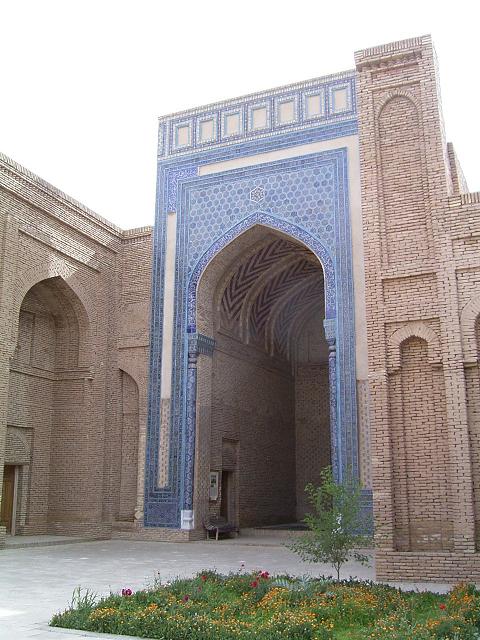
On the high bank of the Amu Darya, right by the border, stand the blue domes of the tomb of a Sufi sage whom people here respectfully call Termez-ota — "father of Termez." It's one of the chief shrines of southern Uzbekistan, grown from the modest cell of a hermit, and a place where the Buddhist past gave way to the Islamic.

Nukus

The Aral Sea and Muynak: The Ship Graveyard

Muynak was once a fishing port on the shore of the planet's fourth-largest lake. Today the water is dozens of kilometers of desert away, and rusty ships stand on the sand where the sea once lapped. It's a monument to one of the largest ecological catastrophes of the 20th century — and one of the most powerful places in Uzbekistan.

Andijan

The Babur Park: The Hill Where the Emperor Said His Farewell

Babur was born in Andijan and died thousands of kilometers away — in India, having founded the Mughal Empire. He never managed to return home. So earth from his grave was brought here, to the hill where he loved to walk and from which he once left his native city forever.

Andijan

The Jami Complex: The One That Outlived the Earthquake

In 1902 a terrible earthquake almost wiped Andijan off the map — thousands died, whole quarters collapsed. But the Jami congregational mosque, with its 32-meter minaret, the tallest in the entire Ferghana Valley, stood firm. Today it's the city's main architectural monument.

Kokand

The Jami Mosque: An Iwan on 98 Columns

Kokand's main mosque was built by khans who dreamed of making their capital no worse than Samarkand and Bukhara. Its huge canopy is held up by dozens of carved wooden columns, and over the courtyard rises a slender brick minaret from which, by tradition, people were summoned not only to prayer.

Kokand

The Khudayar Khan Palace: The Last Splendor of the Khanate

The last ruler of the Kokand Khanate built himself a palace the Ferghana Valley had never seen: a hundred rooms, four minarets, a facade covered entirely in colored majolica. He had only a few years to enjoy it — and then Russian troops entered Kokand, and the khanate vanished from the map.

Nukus

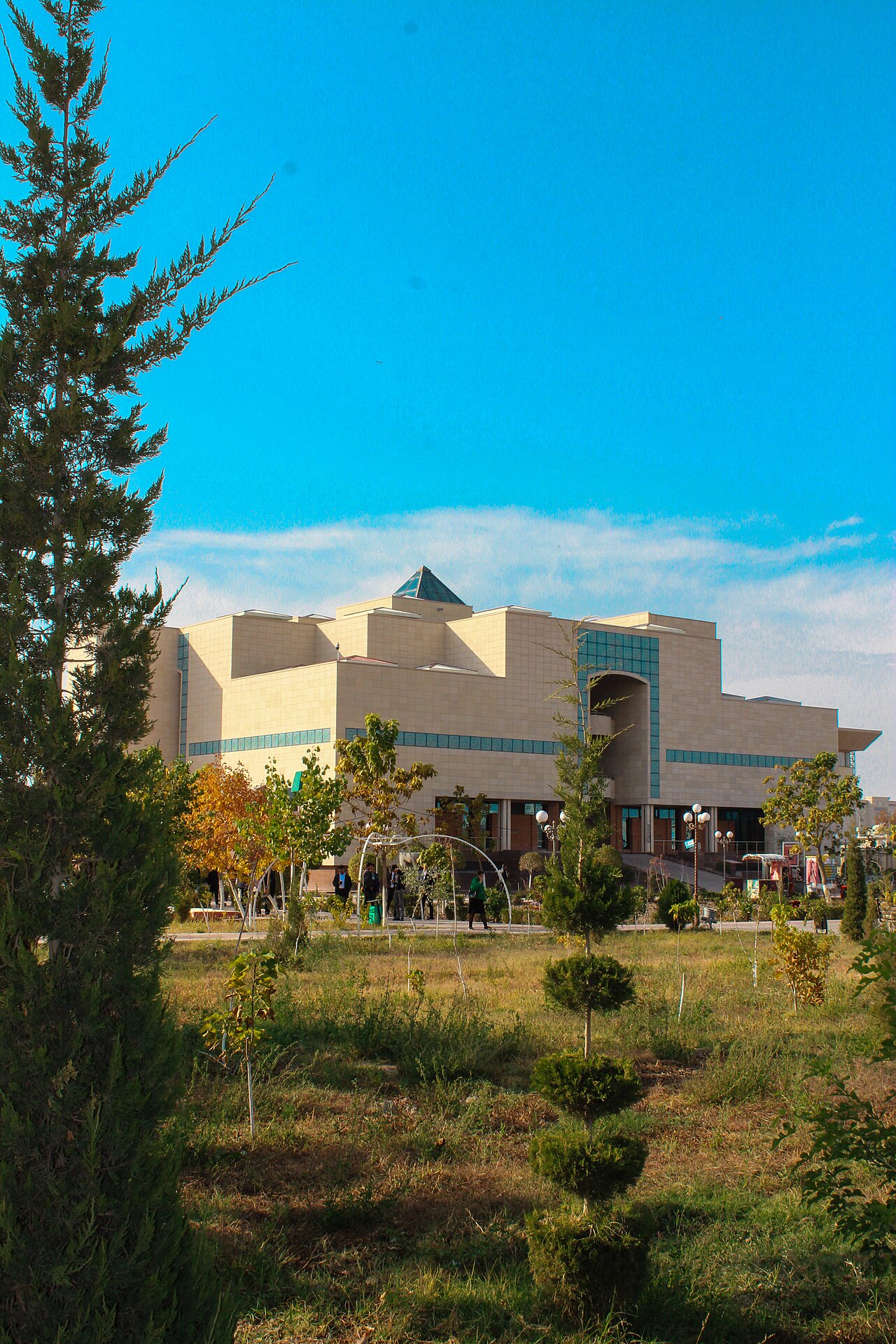
The Savitsky Museum: The "Louvre in the Desert"

In a far-off city on the edge of a dried-up sea is kept the world's second-largest collection of Russian avant-garde. It was assembled by one man — an artist who drove around the villages, bought up forbidden paintings and hid them where Moscow wouldn't look. Today people travel across half a continent for this collection.

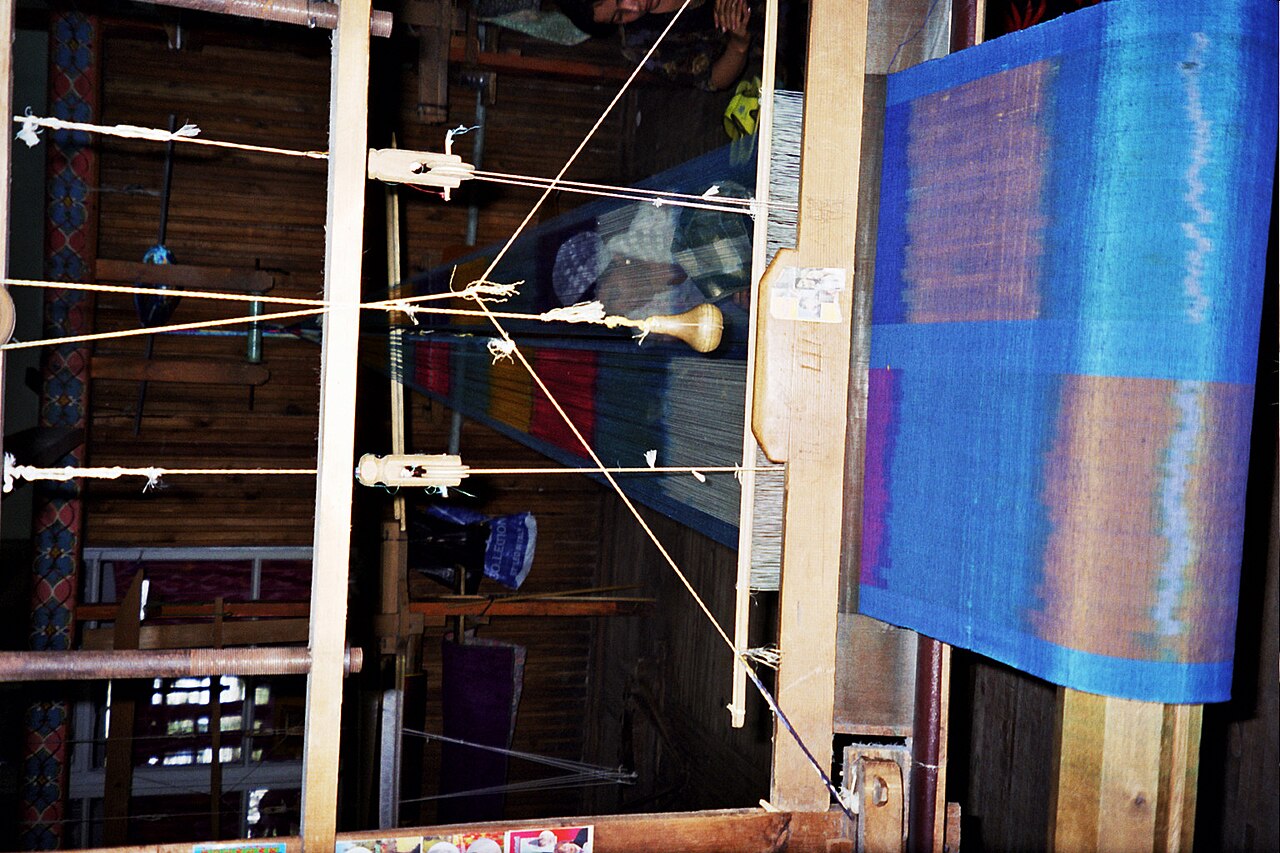
Margilan

The Yodgorlik Factory: The Living Silk of Margilan

In Margilan, silk isn't made on a conveyor belt but by hand — almost exactly as it was a thousand years ago. At the Yodgorlik factory you can trace the whole path: from the silkworm cocoon to finished khan-atlas, whose fiery patterns are recognized the world over. This isn't a museum behind glass but a living production.

Complete catalog

Landmarks and places

Every translated landmark page currently available in the English structure.

Afrasiab: The Real Ancient Samarkand That Genghis Khan Wiped Off the Map
Place

Afrasiab: The Real Ancient Samarkand That Genghis Khan Wiped Off the Map

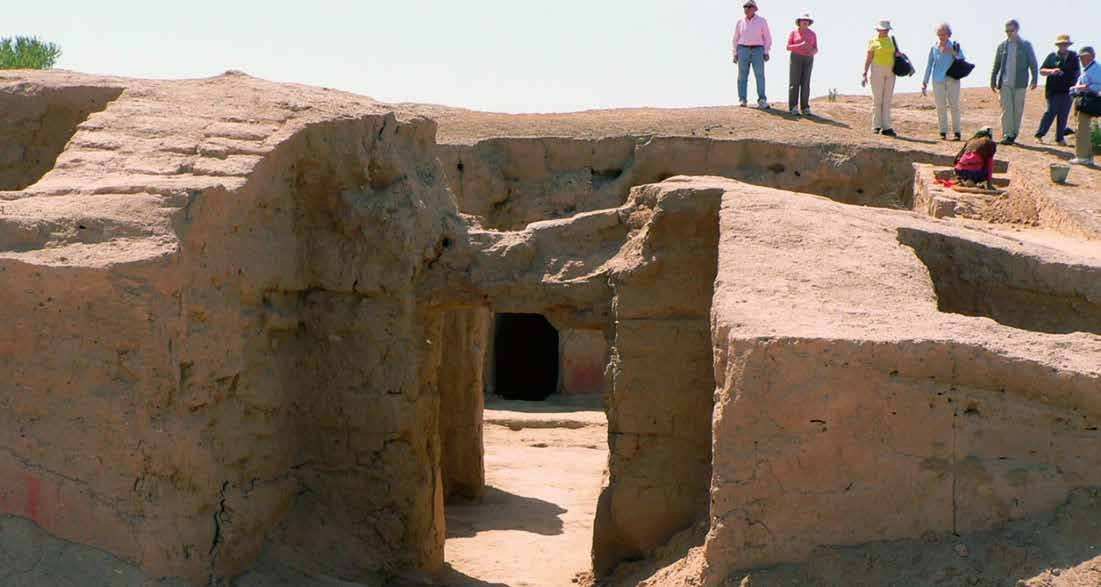
Samarkand's blue domes are younger than they look. The real city is nearly three thousand years old, and it lies right next door — under grassy mounds where the capital of Sogdiana once stood, until the Mongols arrived in 1220.

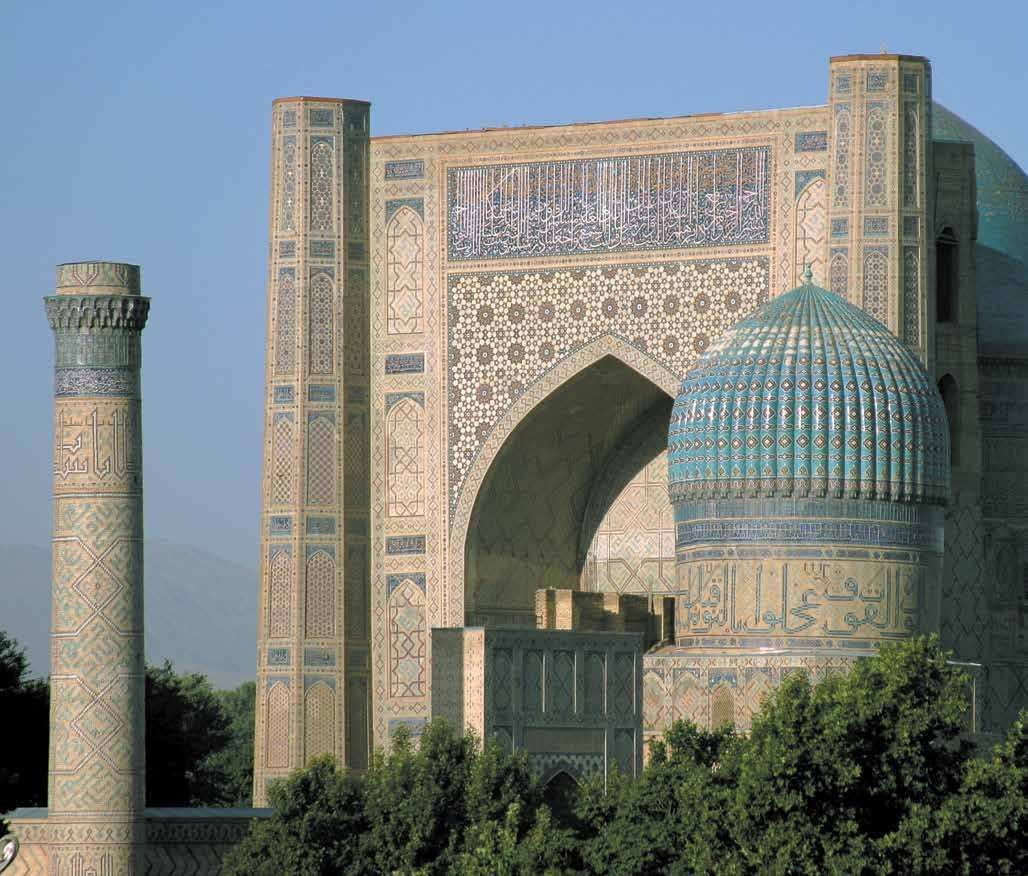
Bibi-Khanym: the mosque Tamerlane built too great to stand
Place

Bibi-Khanym: the mosque Tamerlane built too great to stand

The Friday mosque was meant to be the grandest building in the Islamic world — a monument to a conqueror's might. And it was. Then it began to fall almost as soon as it was finished.

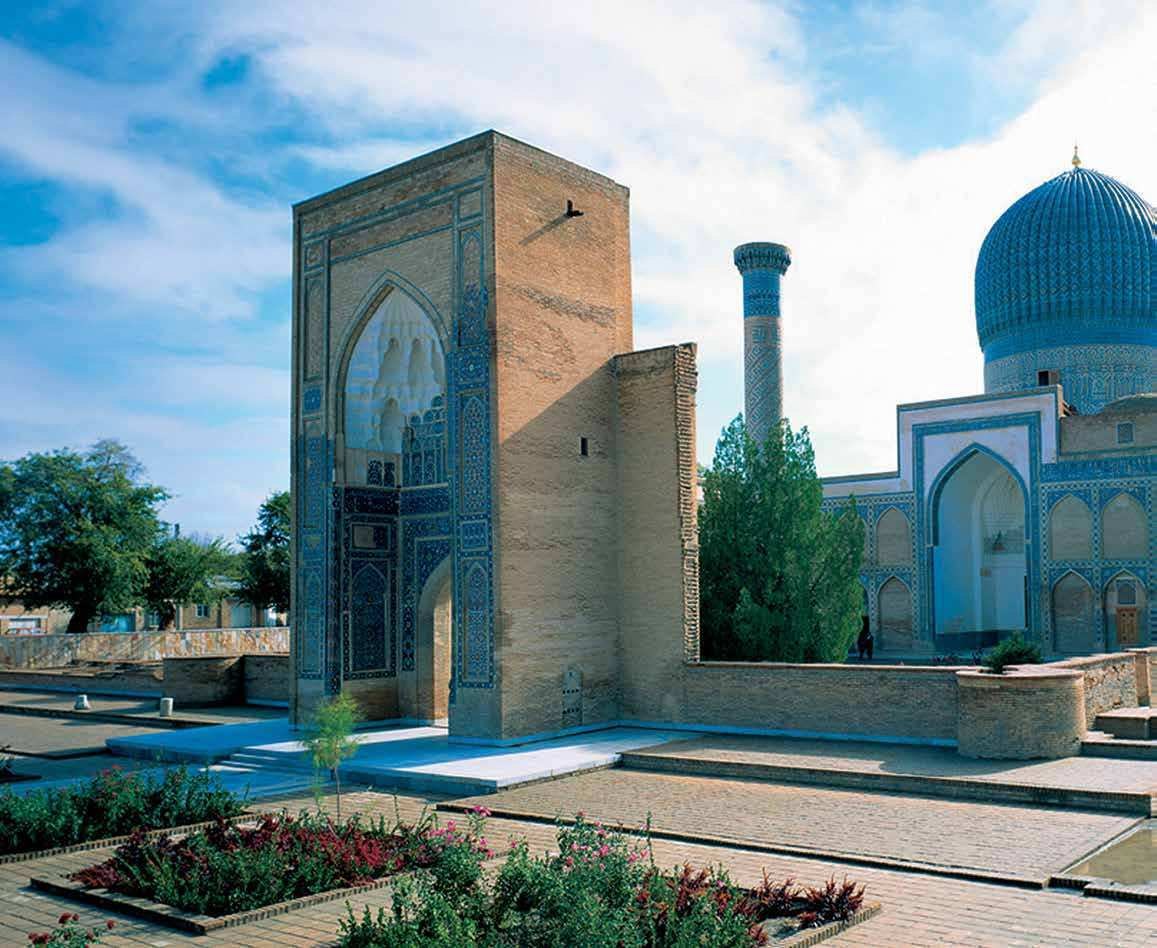
Gur-e-Amir: The Tomb Built for a Grandson, Made Famous by a Grandfather
Place

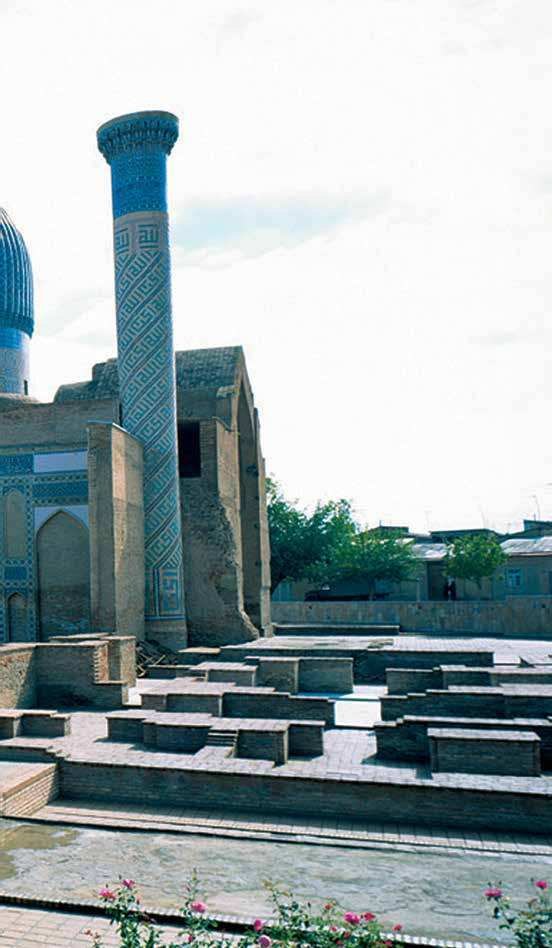
Gur-e-Amir: The Tomb Built for a Grandson, Made Famous by a Grandfather

Beneath a ribbed turquoise dome that became a template for the Taj Mahal, under a slab of black jade, lies a man who redrew the map of Asia. And above him, an inscription that someone dared to disturb in 1941.

The Registan: How to Read the Square People Travel to Samarkand For
Place

The Registan: How to Read the Square People Travel to Samarkand For

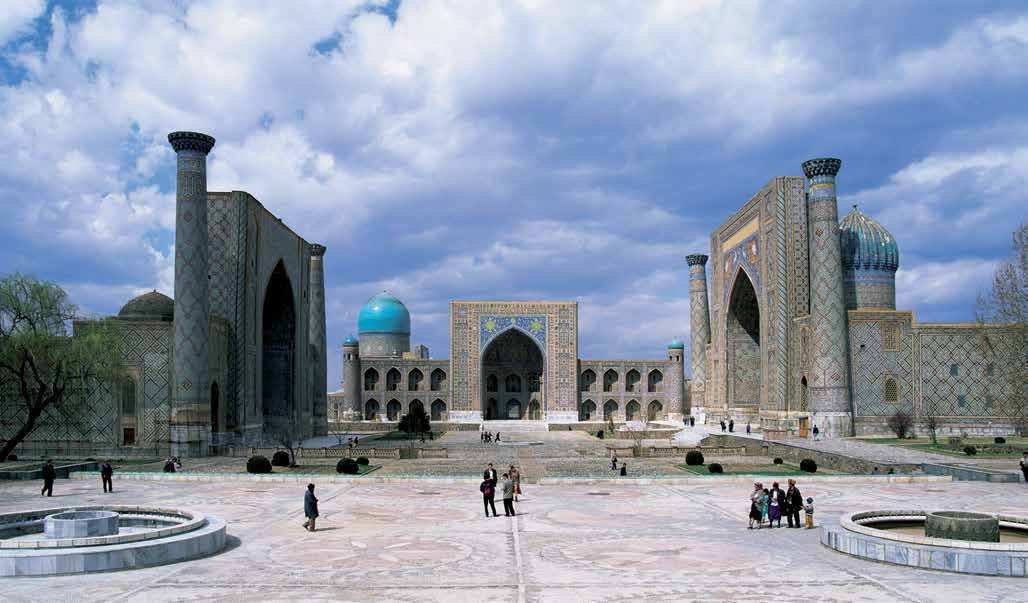
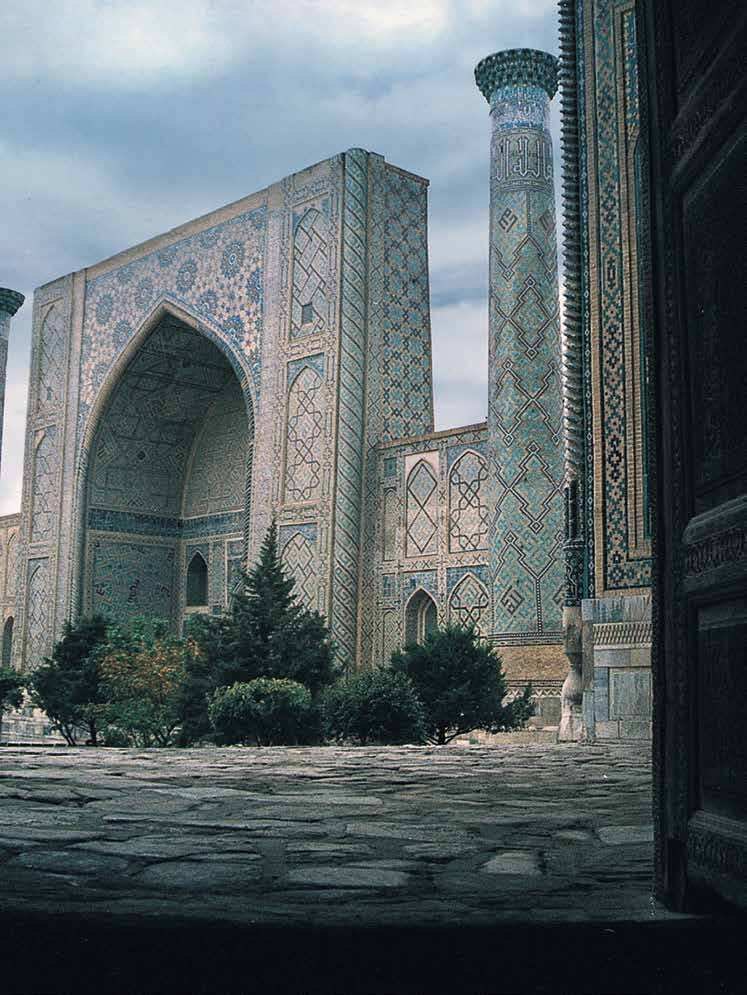
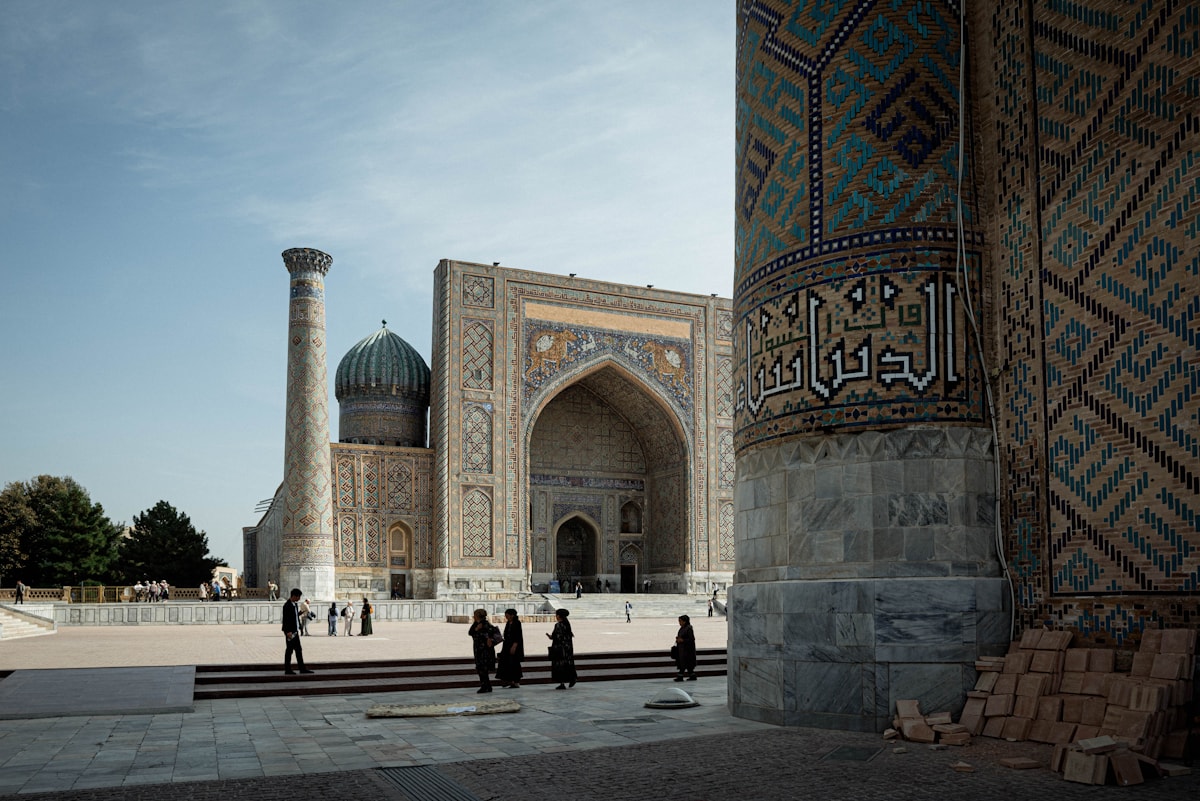
Three madrasas, two centuries between them, and one tiger that was never supposed to be there. Here's how to see Uzbekistan's most famous square as a design — not just a backdrop.

Shah-i-Zinda: The Street of the Dead With More Life Than Anywhere in Samarkand
Place

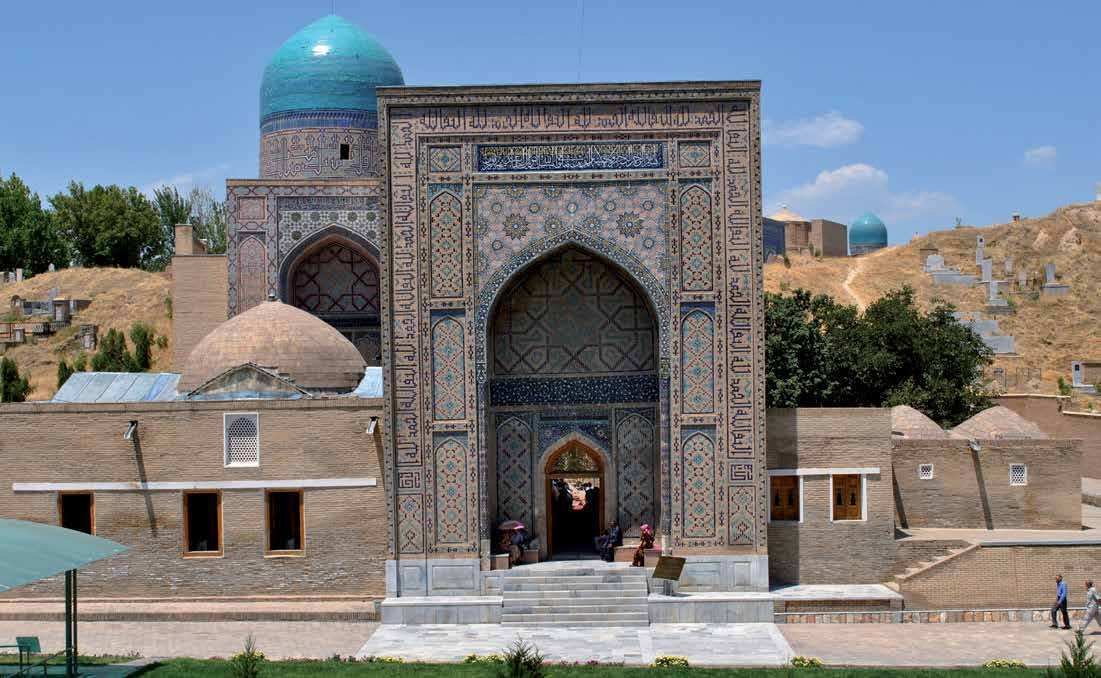
Shah-i-Zinda: The Street of the Dead With More Life Than Anywhere in Samarkand

A narrow corridor climbing uphill between tombs, where turquoise closes in from both sides. Here lie Tamerlane's relatives — and here too, by legend, a beheaded king still lives.

Two Madrasas Face to Face: How Bukhara Set Restraint and Splendor Side by Side, Two Centuries Apart
Place

Two Madrasas Face to Face: How Bukhara Set Restraint and Splendor Side by Side, Two Centuries Apart

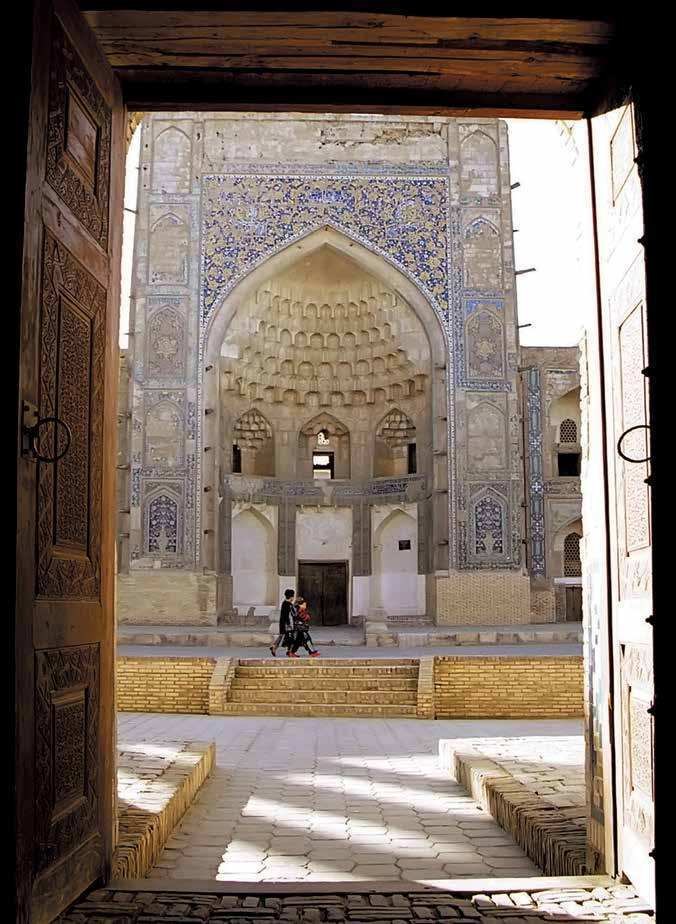
One was built by Tamerlane's grandson, a scholar and stargazer — austere as a formula. The other, directly opposite, went up two hundred years later — opulent, excessive, indifferent to the canon. Between them lies a narrow lane and a whole change of eras.

Ulugh Beg's Observatory: How a Ruler Measured the Sky Without a Single Telescope
Place

Ulugh Beg's Observatory: How a Ruler Measured the Sky Without a Single Telescope

Two centuries before Galileo, Tamerlane's grandson built an instrument as tall as a three-story house in Samarkand — and calculated the length of the year to within a minute. Then he paid for it with his head.

The Ark: The City-Within-a-City Where Power Lived for Fifteen Centuries
Place

The Ark: The City-Within-a-City Where Power Lived for Fifteen Centuries

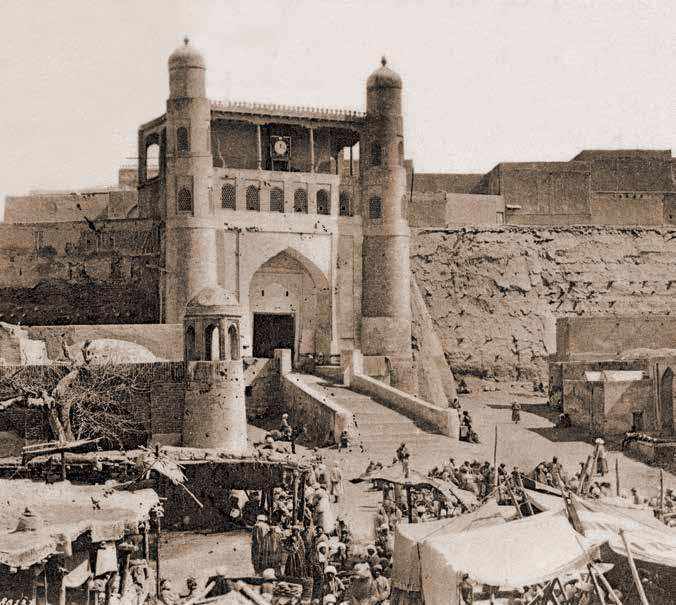
Clay walls on a twenty-meter mound, where Bukhara began. Behind them emirs were crowned, the treasury and the prison were kept — until one morning in 1920, aircraft appeared over the fortress.

Chor-Minor: Four Towers in a Quiet Lane That Became the Face of All Bukhara
Place

Chor-Minor: Four Towers in a Quiet Lane That Became the Face of All Bukhara

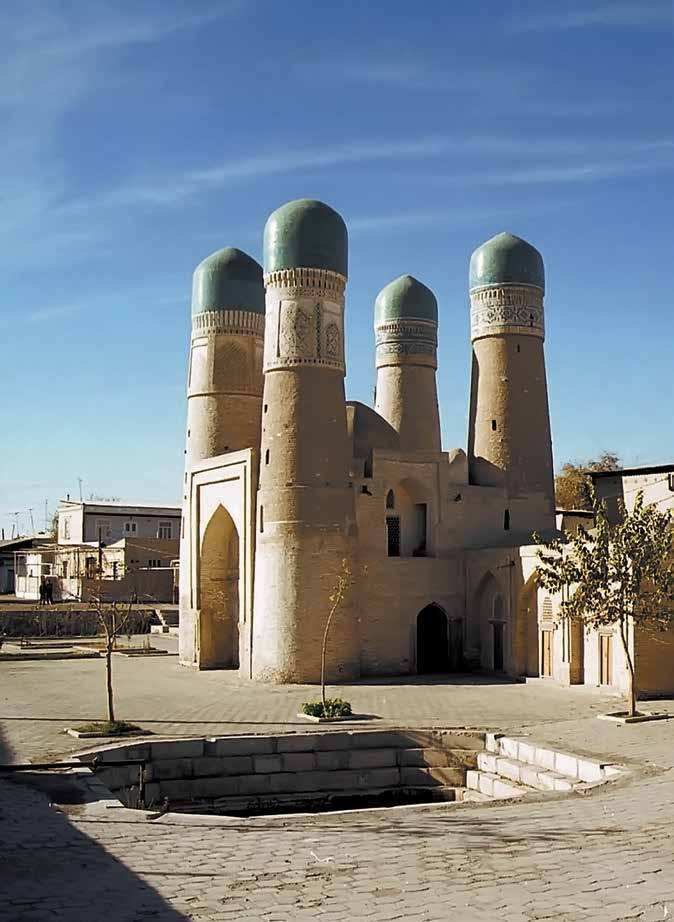
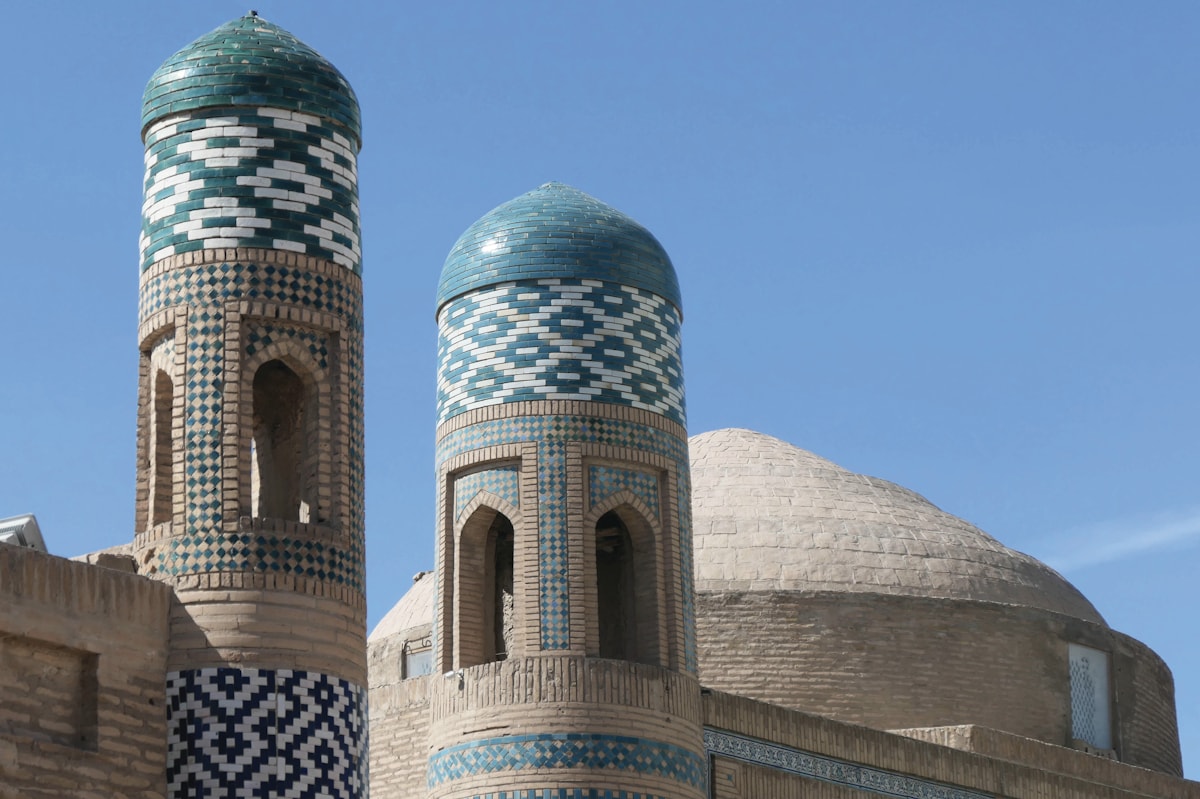
It isn't on any of the great squares — it's tucked into the residential lanes behind Lyabi-Hauz. And yet these four mismatched towers are, more than anything, the "postcard" of Bukhara. A tiny building that out-argued every monument in the city.

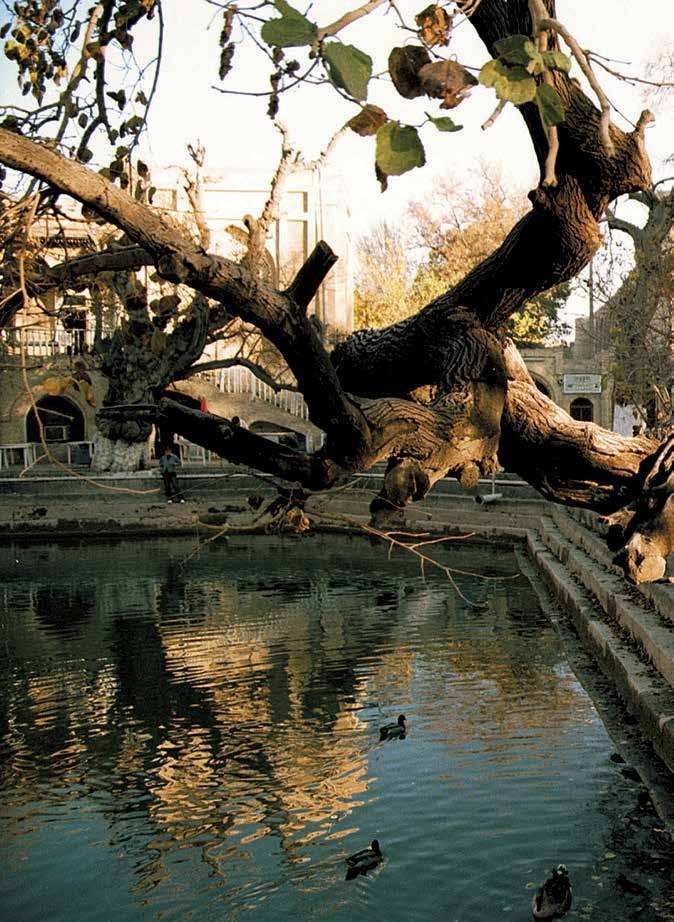
Lyab-i Hauz: The Pool That Has Been the City's Living Room for Four Centuries
Place

Lyab-i Hauz: The Pool That Has Been the City's Living Room for Four Centuries

After centuries, minarets and domes, you come out to water in the shade of old mulberry trees — and Bukhara suddenly slows down. People still drink tea here, argue, laugh. And here, on a donkey, sits the wittiest man in the East.

Poi-Kalon: The Minaret That Stopped Genghis Khan
Place

Poi-Kalon: The Minaret That Stopped Genghis Khan

A tower the condemned were thrown from, spared by the conqueror who leveled the rest of the city. Beside it, a mosque for twelve thousand, and a madrasa that never stopped teaching — not even under Soviet rule.

The Samanid Mausoleum: A Thousand Years Built From Brick Alone
Place

The Samanid Mausoleum: A Thousand Years Built From Brick Alone

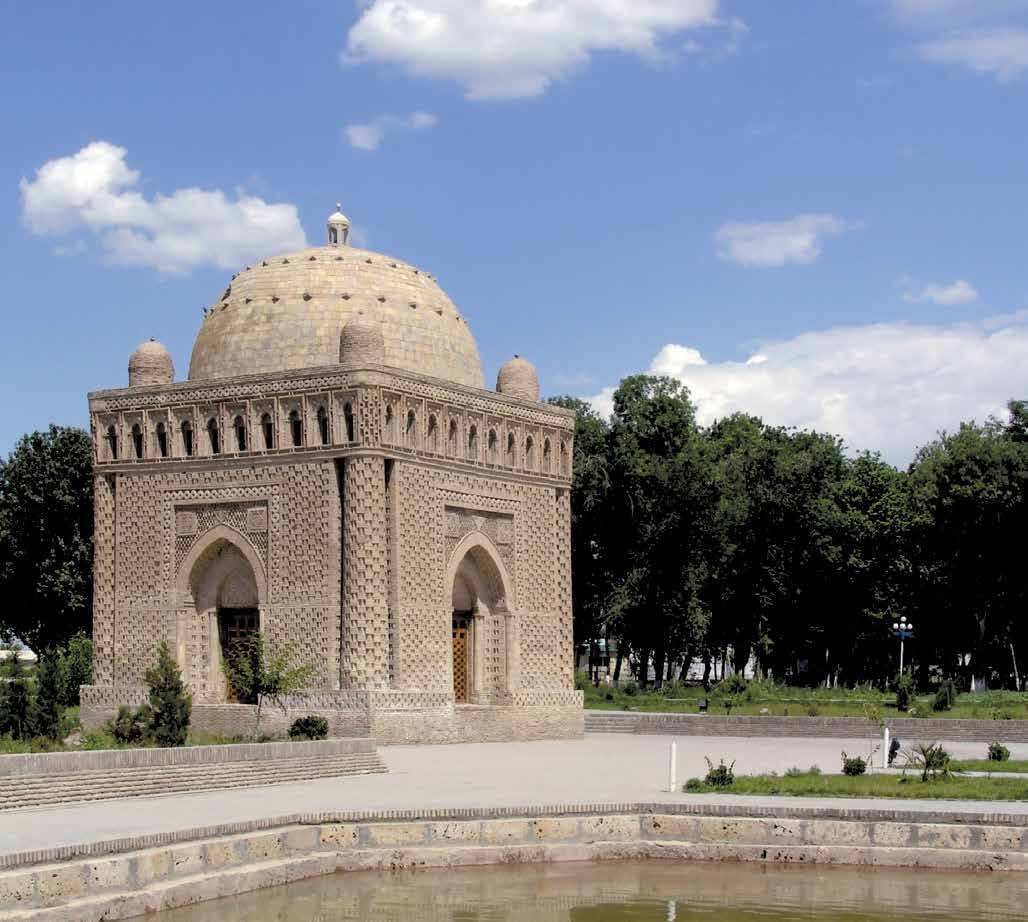
No tiles, no gilding — just fired clay, laid so the wall changes its face through the day. Bukhara's oldest building survived the Mongols because it was buried in sand in time.

The Trading Domes of Bukhara: 16th-Century Bazaars Where People Still Trade
Place

The Trading Domes of Bukhara: 16th-Century Bazaars Where People Still Trade

Most of Bukhara's monuments became museums long ago. These did not. Under domes raised five hundred years ago at the forks of the trade roads, people still sell carpets, knives and spices. This isn't a reconstruction of the Silk Road — it's the Silk Road...

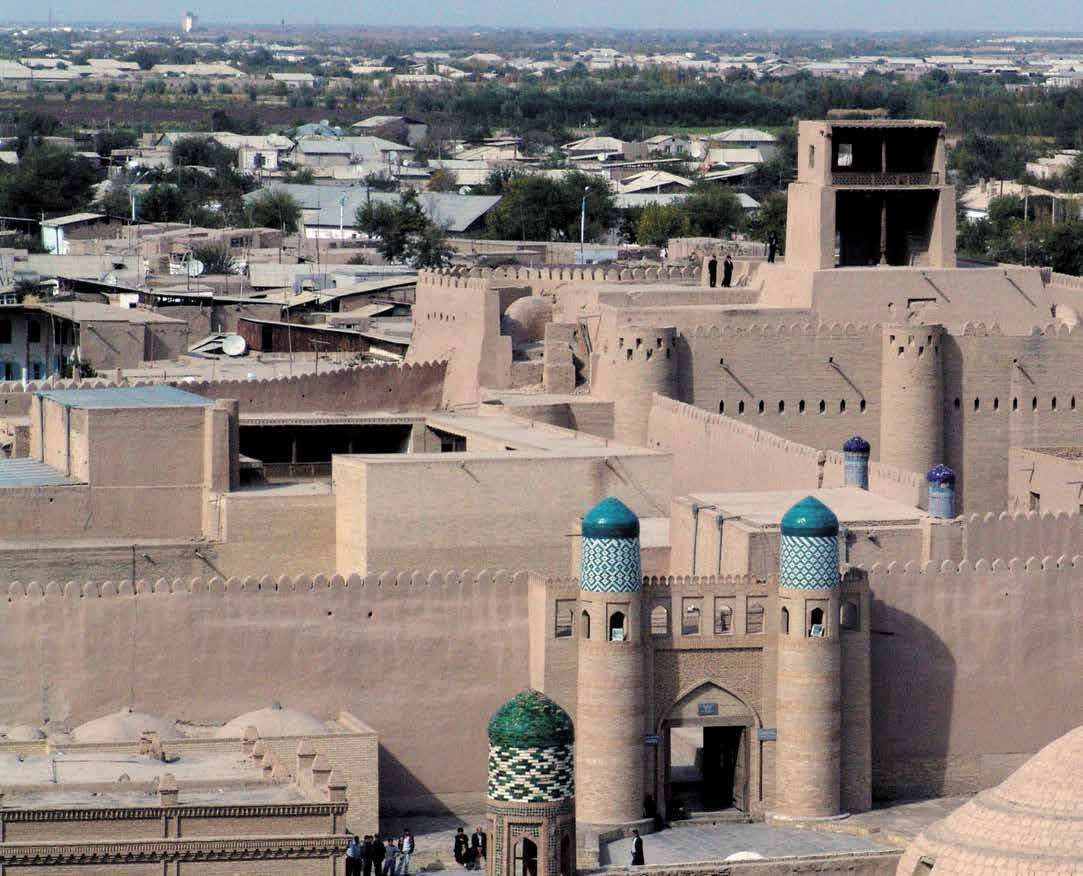
Itchan Kala: an entire city that fits behind a single wall
Place

Itchan Kala: an entire city that fits behind a single wall

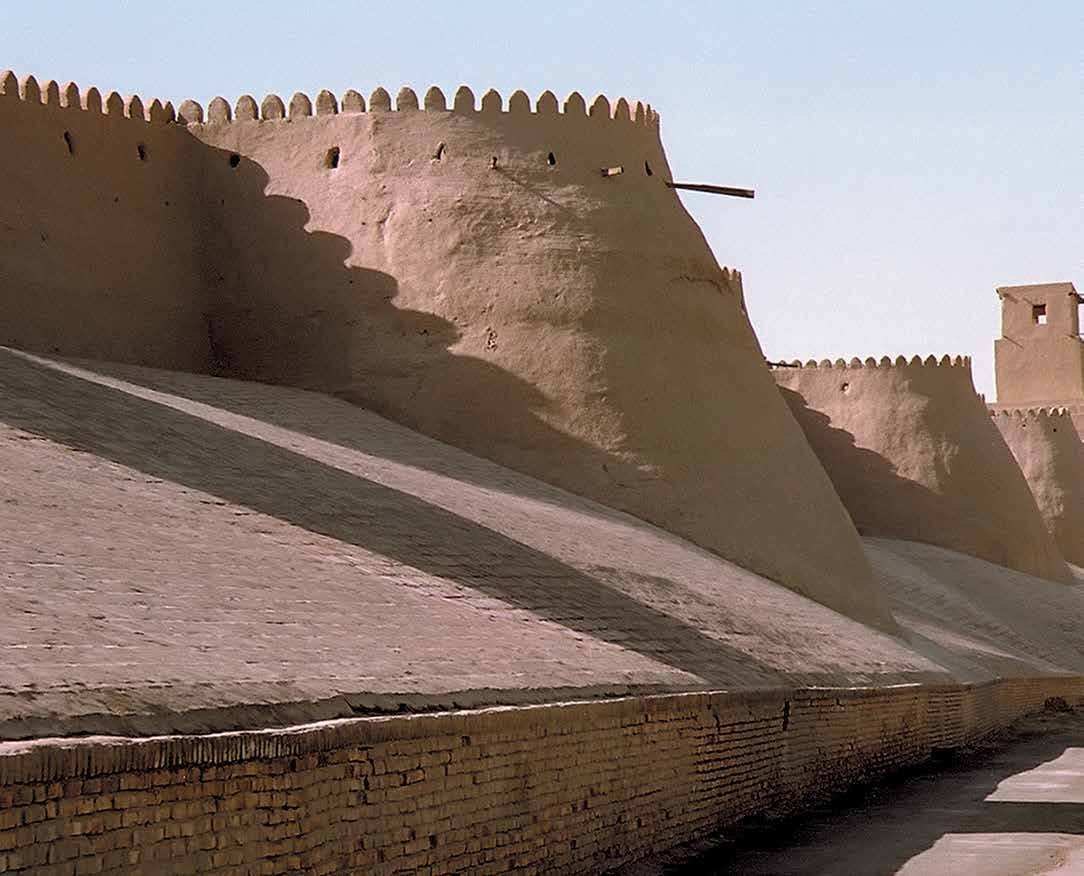
Less than a square kilometre of clay streets, minarets and madrasahs — and yet the first UNESCO site in Central Asia. Behind these walls a khan once ruled, scholars prayed, and slaves were sold.

The Juma Mosque: A Mosque With No Dome and No Portal — Only a Forest of Columns
Place

The Juma Mosque: A Mosque With No Dome and No Portal — Only a Forest of Columns

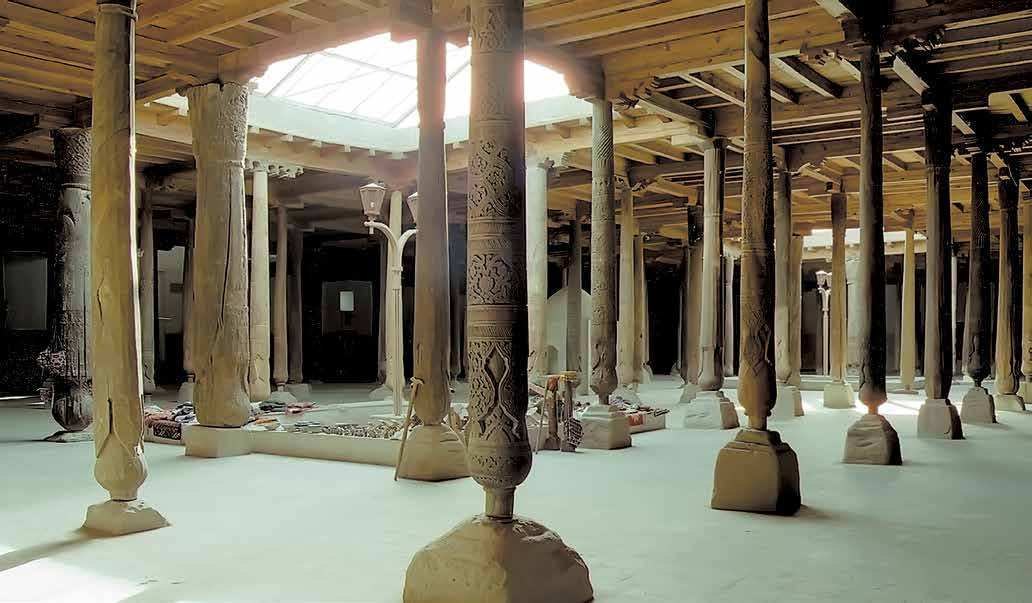
Everyone expects a mosque to have a dome, an arch and a blaze of tilework. The Juma Mosque in Khiva gives you none of that. From outside, a blank clay box. Inside, half-light and 213 wooden columns — and no two are the same.

Kalta Minor: the minaret meant to be the tallest — cut short at a third
Place

Kalta Minor: the minaret meant to be the tallest — cut short at a third

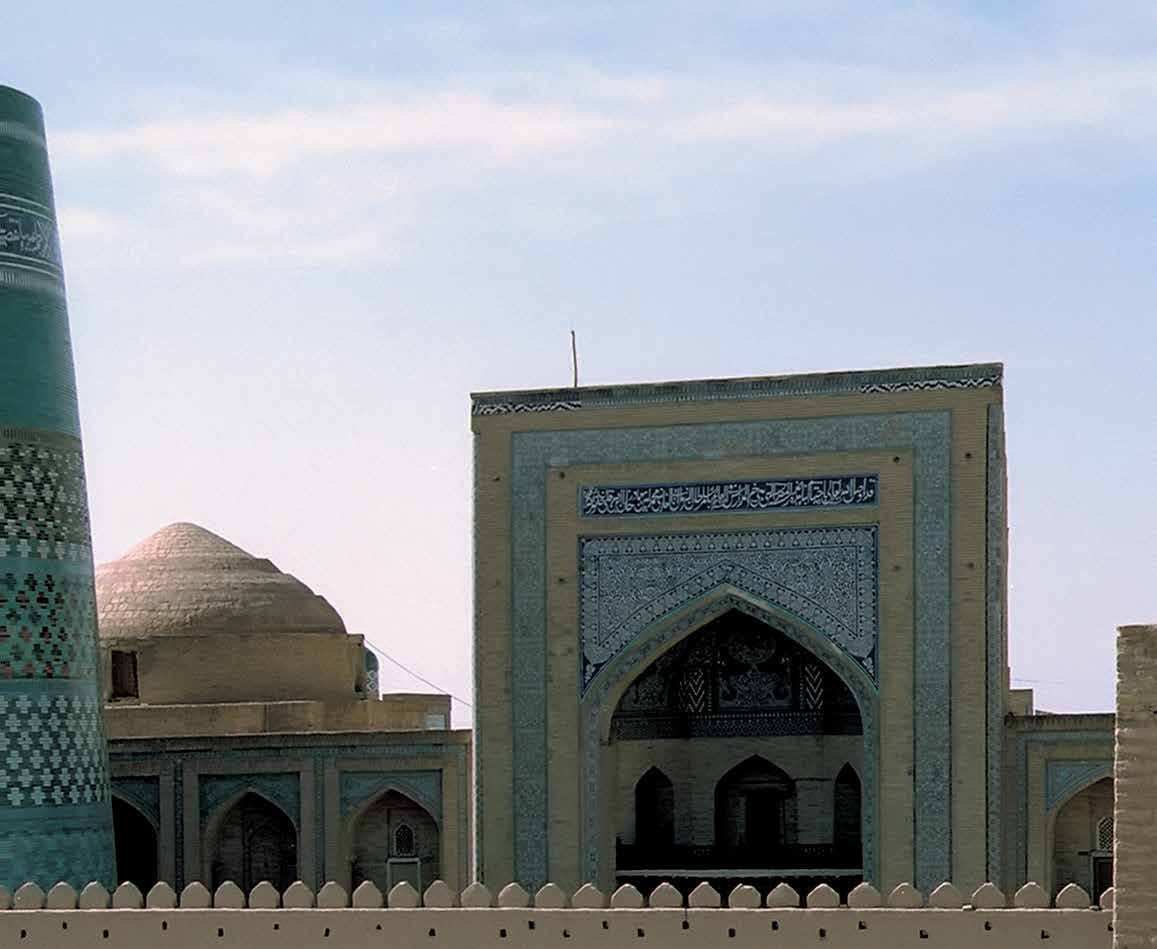
The turquoise giant by Khiva's western gate was designed to outshine everything in the Islamic world. The khan died, the work stopped — and the unfinished tower became the city's most recognisable landmark.

Kunya-Ark: a fortress inside a fortress, where Khiva's power lived
Place

Kunya-Ark: a fortress inside a fortress, where Khiva's power lived

Behind the walls of Itchan Kala hid another wall — and behind it, a whole state in miniature: the khan's palace, a mint, an arsenal, a harem and a prison. From here Khiva was ruled — and from here people were sent to be executed.

Pahlavan Mahmud: The Furrier Who Became a Wrestler, a Poet, and the Patron Saint of a Whole City
Place

Pahlavan Mahmud: The Furrier Who Became a Wrestler, a Poet, and the Patron Saint of a Whole City

He was never crowned and never ruled. A simple leather-worker who became famous as an unbeatable wrestler, a healer, and the author of philosophical quatrains. Centuries later, a mausoleum with the largest dome in Khiva rose over his grave — and the city...

Tash-Hauli: The Palace Built as a Labyrinth So No One Could Reach the Khan
Place

Tash-Hauli: The Palace Built as a Labyrinth So No One Could Reach the Khan

The Khiva khans had two palaces. Kunya-Ark — the old fortress-residence by the western gate. And Tash-Hauli — the new, ceremonial one by the eastern gate, built deliberately tangled: a stranger could never find his way to the ruler.

Amir Timur Square: The Point From Which All of Tashkent Radiates
Place

Amir Timur Square: The Point From Which All of Tashkent Radiates

The city's main avenues fan out from this square. Different monuments from different eras have stood on this spot — and who stands at the center today tells you more about the country than any guidebook. Right now it's Tamerlane on horseback.

Chorsu: the market under the blue dome where the Silk Road meets Soviet modernism
Place

Chorsu: the market under the blue dome where the Silk Road meets Soviet modernism

Tashkent's main bazaar trades at the same crossroads it did a thousand years ago — but under a giant dome that became a monument in its own right. Here you buy spices and plov, and along with them the frozen spirit of two eras.

The 1966 Earthquake: Why Tashkent Looks the Way It Does
Place

The 1966 Earthquake: Why Tashkent Looks the Way It Does

Travelers are often surprised: why is the capital of an ancient country so Soviet and so wide? The answer lies in one morning in 1966, when the city center collapsed in minutes. What you see today was built afterward. To understand the face of Tashkent, you...

Hazrati Imam: the place that holds the world's oldest Quran
Place

Hazrati Imam: the place that holds the world's oldest Quran

Deep in old Tashkent, among the mud-brick houses that survived the earthquake, stands an ensemble built around a book almost fourteen centuries old. By tradition its pages bear the blood of a murdered caliph, and the manuscript's road ran through five...

Independence Square: Where a Country Tells Its Story in the Language of Monuments
Place

Independence Square: Where a Country Tells Its Story in the Language of Monuments

This isn't a cozy park for strolling but the ceremonial square of a state. Here everything is a statement: a globe instead of a leader, an arch of storks at the entrance, an alley of memory for the war dead. The country's main square, as Uzbekistan wants to...

Kukeldash: "the khan's milk brother," a religious school that became a place of execution
Place

Kukeldash: "the khan's milk brother," a religious school that became a place of execution

Tashkent's largest madrasah is named after the court title of a powerful vizier. Over four and a half centuries it has been a school, a caravanserai and a fortress — and, by a dark legend, a scaffold too.

The Tashkent Metro: an underground museum forbidden to photograph for half a century
Place

The Tashkent Metro: an underground museum forbidden to photograph for half a century

Central Asia's first metro was designed not only as transport but as a bomb shelter — which is why photographing it was banned until 2018. Now you can: space mosaics, majolica domes and marble halls, for a fifteen-cent ticket.

Ferghana: The "General's City" and the Gateway to the Valley
Place

Ferghana: The "General's City" and the Gateway to the Valley

The youngest of Uzbekistan's recognizable cities: it's less than 150 years old, and you won't find antiquities here. But Ferghana is a convenient, green base from which roads radiate to everything of interest in the valley: to the silk of Margilan, the...

The Aral Sea and Muynak: The Ship Graveyard
Place

The Aral Sea and Muynak: The Ship Graveyard

Muynak was once a fishing port on the shore of the planet's fourth-largest lake. Today the water is dozens of kilometers of desert away, and rusty ships stand on the sand where the sea once lapped. It's a monument to one of the largest ecological...

Mizdakhan: The Necropolis and the "Clock of the World"
Place

Mizdakhan: The Necropolis and the "Clock of the World"

On three hills near Nukus lies one of the oldest cemeteries in Central Asia. Here, by legend, the first man on earth is buried, and a half-ruined mausoleum is called the "Clock of the World": it's believed that one brick falls from its wall every year — and...

The Savitsky Museum: The "Louvre in the Desert"
Place

The Savitsky Museum: The "Louvre in the Desert"

In a far-off city on the edge of a dried-up sea is kept the world's second-largest collection of Russian avant-garde. It was assembled by one man — an artist who drove around the villages, bought up forbidden paintings and hid them where Moscow wouldn't...

The Yodgorlik Factory: The Living Silk of Margilan
Place

The Yodgorlik Factory: The Living Silk of Margilan

In Margilan, silk isn't made on a conveyor belt but by hand — almost exactly as it was a thousand years ago. At the Yodgorlik factory you can trace the whole path: from the silkworm cocoon to finished khan-atlas, whose fiery patterns are recognized the...

The Jami Mosque: An Iwan on 98 Columns
Place

The Jami Mosque: An Iwan on 98 Columns

Kokand's main mosque was built by khans who dreamed of making their capital no worse than Samarkand and Bukhara. Its huge canopy is held up by dozens of carved wooden columns, and over the courtyard rises a slender brick minaret from which, by tradition...

The Khudayar Khan Palace: The Last Splendor of the Khanate
Place

The Khudayar Khan Palace: The Last Splendor of the Khanate

The last ruler of the Kokand Khanate built himself a palace the Ferghana Valley had never seen: a hundred rooms, four minarets, a facade covered entirely in colored majolica. He had only a few years to enjoy it — and then Russian troops entered Kokand, and...

The Babur Park: The Hill Where the Emperor Said His Farewell
Place

The Babur Park: The Hill Where the Emperor Said His Farewell

Babur was born in Andijan and died thousands of kilometers away — in India, having founded the Mughal Empire. He never managed to return home. So earth from his grave was brought here, to the hill where he loved to walk and from which he once left his...

The Jami Complex: The One That Outlived the Earthquake
Place

The Jami Complex: The One That Outlived the Earthquake

In 1902 a terrible earthquake almost wiped Andijan off the map — thousands died, whole quarters collapsed. But the Jami congregational mosque, with its 32-meter minaret, the tallest in the entire Ferghana Valley, stood firm. Today it's the city's main...

Ak-Saray: The "White Palace" of Amir Timur
Place

Ak-Saray: The "White Palace" of Amir Timur

Amir Timur had already filled Samarkand with the greatest buildings of his age — and then wanted to surpass them in his own home city. So Ak-Saray was born, a palace conceived to eclipse everything built before. All that remains are two piers of the...

Dorus-Saodat: The Tomb Timur Prepared for Himself
Place

Dorus-Saodat: The Tomb Timur Prepared for Himself

Having lost his beloved son, Amir Timur built a memorial in his home city and prepared a crypt for himself beside it — he wanted to be buried here, in Shakhrisabz. But fate decided otherwise: the great conqueror came to rest in Samarkand, and the prepared...

Dorut-Tilovat and Kok-Gumbaz: The Quiet Courtyard of Shakhrisabz
Place

Dorut-Tilovat and Kok-Gumbaz: The Quiet Courtyard of Shakhrisabz

Beside the bulk of Ak-Saray hides a place of a completely different mood — a quiet courtyard where a mosque stands under a blue dome, and in the tombs rest Timur's mentor and his kin. If the palace spoke of might, this ensemble speaks of memory and reflection.

The Al-Hakim at-Termizi Mausoleum: The "Father of Termez"
Place

The Al-Hakim at-Termizi Mausoleum: The "Father of Termez"

On the high bank of the Amu Darya, right by the border, stand the blue domes of the tomb of a Sufi sage whom people here respectfully call Termez-ota — "father of Termez." It's one of the chief shrines of southern Uzbekistan, grown from the modest cell of a...

Buddhist Termez: Fayaz-Tepa and Kara-Tepa
Place

Buddhist Termez: Fayaz-Tepa and Kara-Tepa

Uzbekistan is usually seen as a country of blue domes and madrasas. But a thousand years before Islam, in the south, on the banks of the Amu Darya, monks in red robes prayed to the Buddha. Termez was a major Buddhist center of the Silk Road — and its...

Sultan-Saodat: The Necropolis of the Termez Sayyids
Place

Sultan-Saodat: The Necropolis of the Termez Sayyids

For six centuries in a row, one noble family buried its dead here — and each generation added a new mausoleum to the ensemble. So Sultan-Saodat grew up in Termez: a long row of tombs along which you can read the history of local architecture like the rings...

A country is not a list of places.
It is a civilization to understand.